


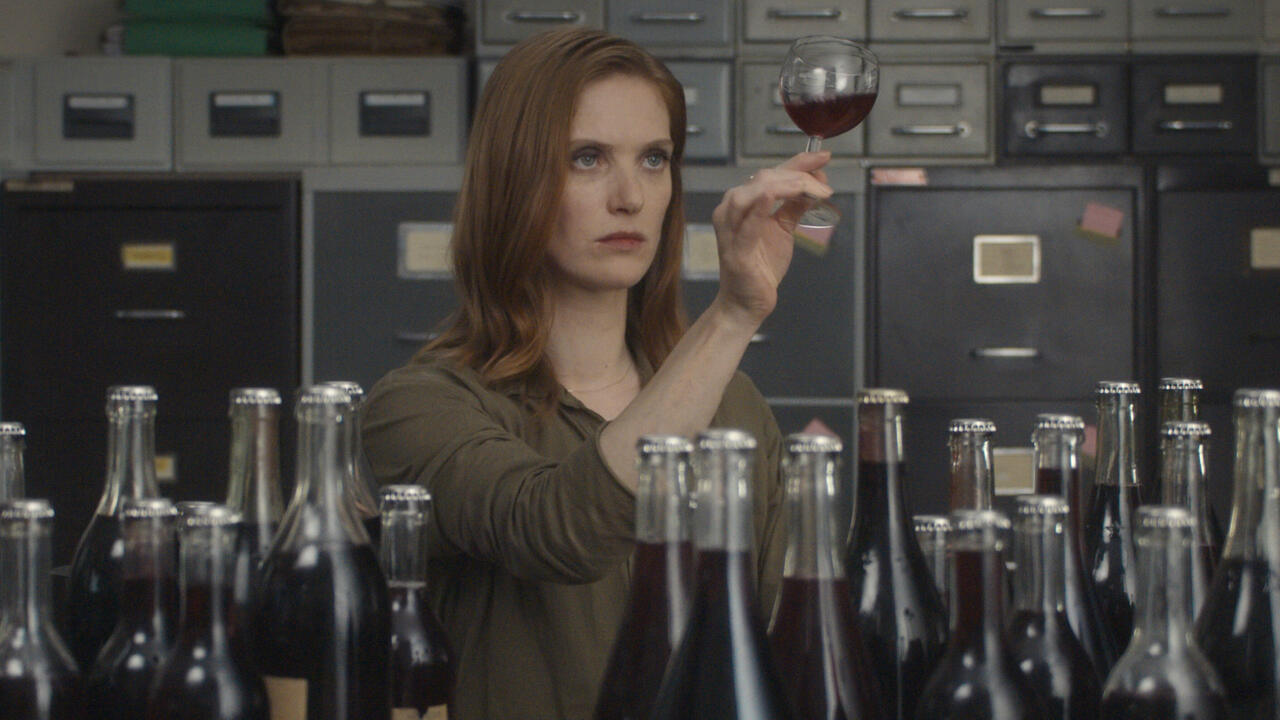
“The Quest” is the kind of episode that quietly deepens a season while still delivering genuine momentum, and I found myself thoroughly absorbed from its first scene to its final, unresolved beat. If the season premiere set the emotional and narrative table, Episode 2 carefully arranges the cutlery, pours the first glass, and invites us to sit closer to the characters. It is intimate, tense, and elegantly structured, reminding us why this series stands apart in the increasingly crowded world of prestige international drama.
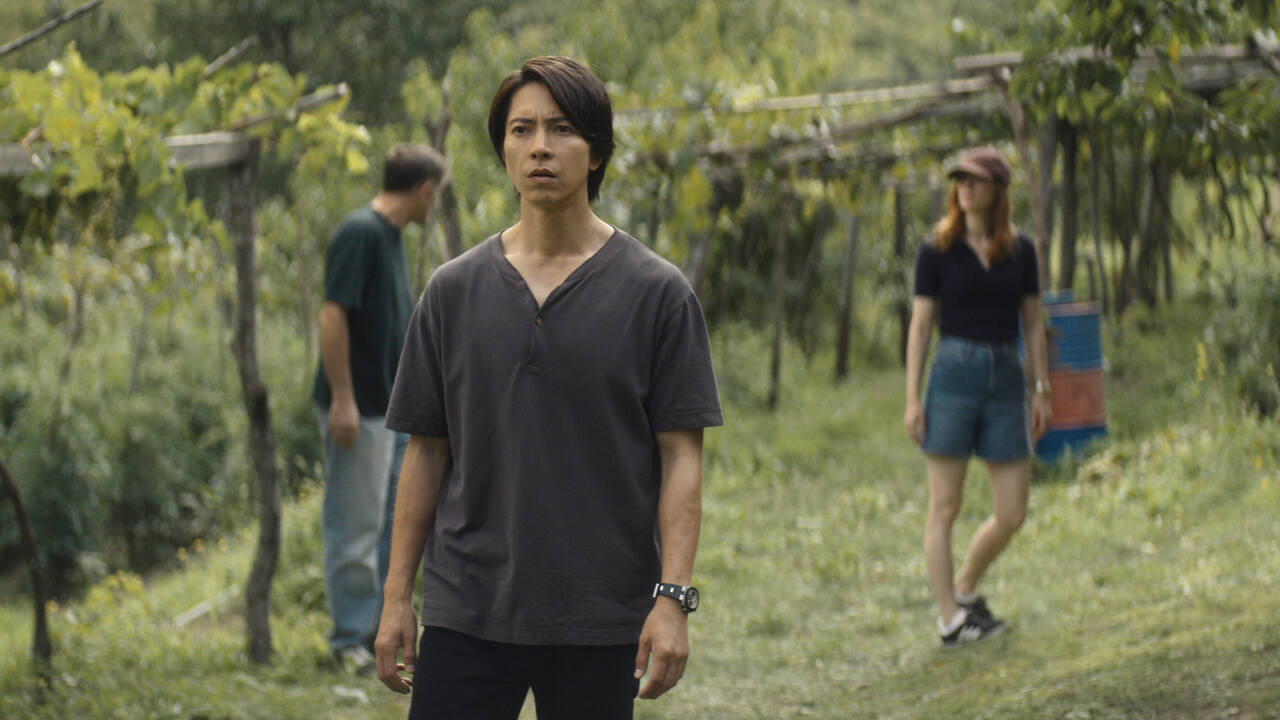
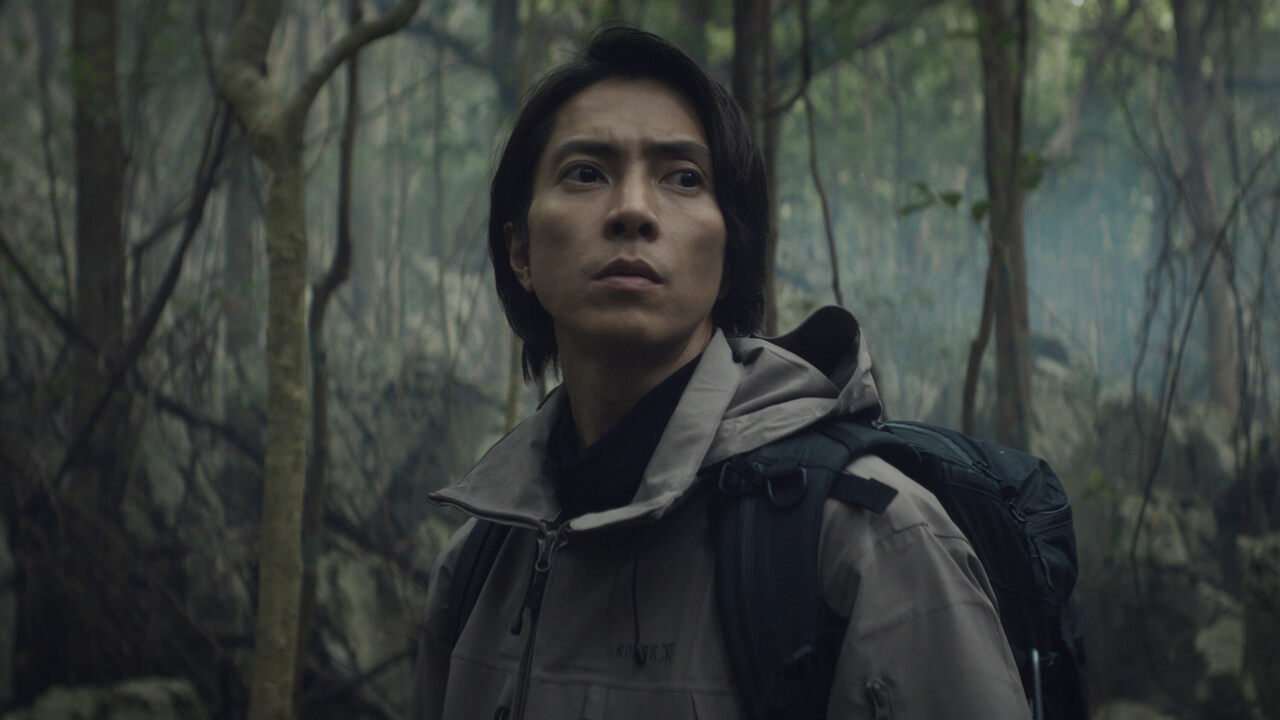
The episode opens with a lingering sense of unease following Issei’s near-fatal experience, and Tomohisa Yamashita plays this vulnerability with remarkable restraint. There is no grand emotional display here, just a subtle shift in posture, a hesitation in speech, and a quiet exhaustion behind his eyes. Issei has always been defined by his discipline and control, and seeing that composure crack, even slightly, adds layers to a character who could easily have remained aloof. The writing allows him to sit with his trauma rather than rush him back into hero mode, and the result is a more grounded, human presence on screen.
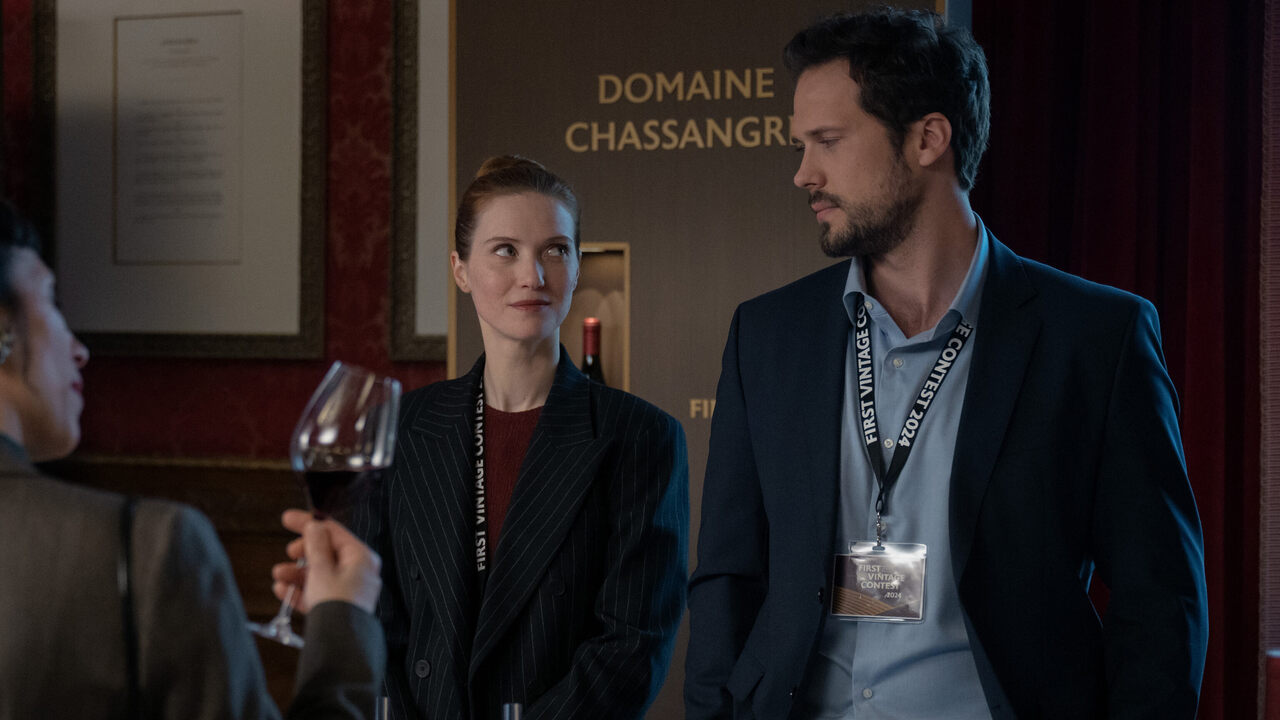
At the same time, Camille is thrown headfirst into urgency. Fleur Geffrier once again proves how central she is to the show’s emotional pull, carrying the episode with a restless energy that feels organic rather than manufactured. Her race to track down a crucial lead about the elusive bottle never becomes a simple scavenger hunt. Instead, it unfolds as a sequence of tense encounters, fractured conversations, and risky decisions that test her instincts and her ethics. Camille is driven, but not blindly so; her determination is shaped by lingering grief, unresolved anger, and a deep desire to prove something to both herself and her late father. This emotional undercurrent elevates what could have been a standard plot device into something richer and more personal.
What impressed me most about “The Quest” is how efficiently it balances narrative propulsion with character introspection. The episode moves briskly, yet never feels rushed. Each scene is carefully weighted, allowing moments of silence and observation to do as much work as dialogue. Director Oded Ruskin maintains a confident grip on tone, using stillness as a narrative tool rather than a pause button.
Visually, the episode continues the series’ commitment to cinematic storytelling. The camera lingers on textures, spaces, and faces, giving everyday environments a heightened sense of presence. Wine cellars, modest apartments, and bustling streets all carry emotional weight, reflecting the internal states of the characters within them. The cinematography avoids unnecessary flourish, opting instead for clarity and intimacy. This grounded visual approach reinforces the authenticity of the world and allows the performances to take center stage.
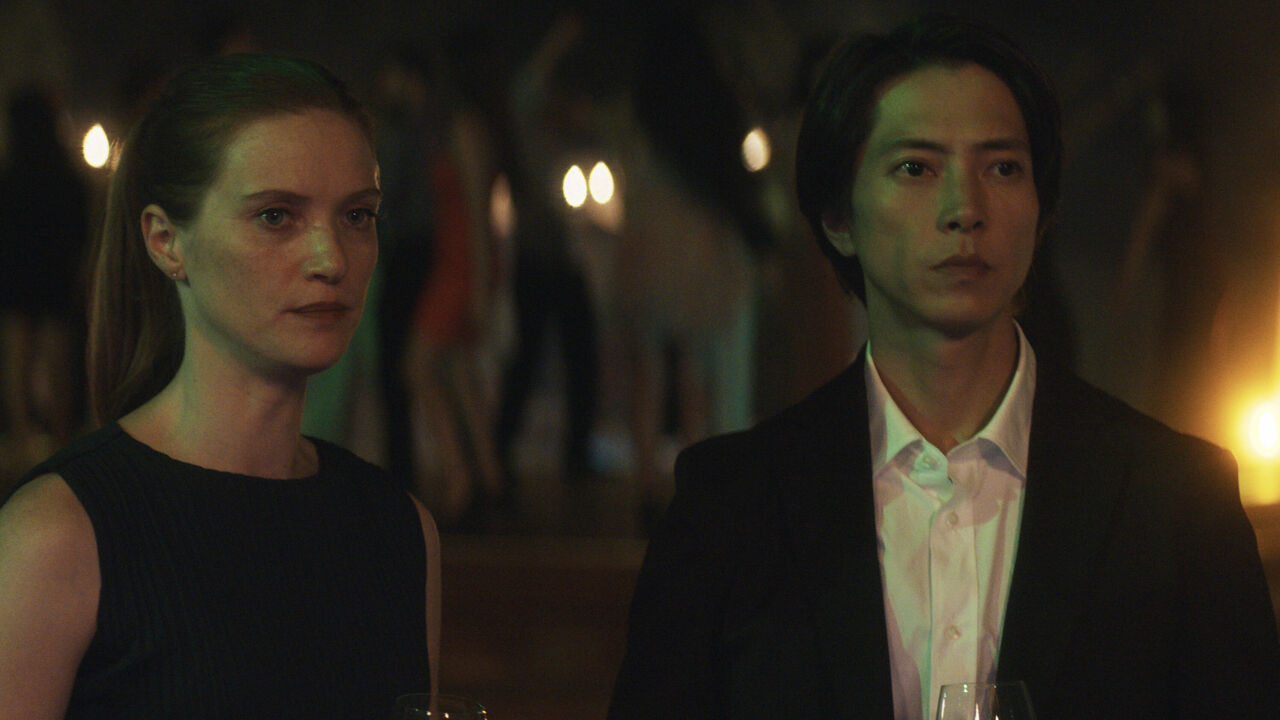
The central tension between Camille and Issei is handled with particular finesse. Their partnership has always been uneasy, built on mutual respect layered with unresolved rivalry and inherited resentment. In this episode, that dynamic becomes more volatile. Camille’s urgency clashes with Issei’s fragility, and their communication falters at precisely the moment they need each other most. Rather than resorting to melodrama, the script allows their conflict to simmer, driven by small misunderstandings and emotional distance rather than overt confrontation. When Camille makes her drastic decision, it feels both inevitable and deeply unsettling, the kind of choice that will clearly have long-term consequences.
The thematic weight of the episode rests heavily on the idea of legacy and burden. The mysterious bottle is more than a clue; it is a symbol of expectation, obsession, and unresolved history. The series continues to explore how the pursuit of excellence can become indistinguishable from self-destruction, and Episode 2 sharpens this focus with quiet precision. Camille and Issei are both chasing answers left behind by a man who shaped their lives from a distance, and the emotional toll of that pursuit becomes increasingly visible here.
One of the episode’s strengths lies in its dialogue, which remains understated and purposeful. Conversations are layered with subtext, allowing characters to express vulnerability without explicit confession. The multilingual nature of the series continues to feel organic rather than performative, enhancing the authenticity of the interactions and grounding the story in its international scope. Subtitles become part of the rhythm rather than an interruption, reinforcing the show’s confidence in its audience.
The supporting characters also benefit from sharper definition in this episode. Brief encounters hint at larger networks of influence and rivalry within the world of fine wine, expanding the narrative landscape without overwhelming the central storyline. These touches add texture and intrigue, suggesting future conflicts while maintaining focus on the emotional core of the series.
If I had one minor criticism, it would be that certain investigative sequences lean slightly too heavily on familiar genre beats. A few moments of hurried research and convenient discoveries feel more functional than inspired, and I occasionally wish for more narrative resistance in these transitions. However, these are fleeting issues that do little to undermine the episode’s overall impact. The emotional stakes remain high enough that any mechanical plotting fades into the background.
What truly elevates “The Quest” is its confidence in quiet storytelling. The episode does not rely on spectacle or dramatic twists to maintain interest. Instead, it trusts its characters, its atmosphere, and its thematic depth. The final moments, charged with unresolved tension and unspoken consequences, linger long after the screen fades to black. It is the kind of ending that invites reflection rather than shock, encouraging viewers to sit with the emotional weight of what has transpired.
From a broader perspective, Episode 2 reinforces the series’ commitment to treating wine not merely as a subject, but as a narrative language. Each bottle, each tasting, and each clue carries emotional resonance, transforming technical expertise into storytelling texture. The show continues to avoid elitism, presenting wine culture as both accessible and deeply human, shaped by memory, identity, and longing rather than prestige alone.
By the end of the episode, I felt a renewed sense of trust in the season’s direction. “The Quest” deepens character arcs, sharpens thematic focus, and maintains narrative momentum with impressive restraint. It is a thoughtful, emotionally resonant installment that demonstrates how mature television storytelling can be both engaging and introspective. If the remaining episodes build on this foundation, Season 2 has the potential to surpass its already strong predecessor, offering a journey that is as emotionally rewarding as it is intellectually satisfying.
Final Score- [9/10]
Hi Everyone, after a due consideration, we have decided that we will be open for donations to help us in managing our website. We will be greatful for any kind of amount we receive. Thanks!
— Midgard Times 🎬 (@Moviesr_net) January 4, 2026
PayPal- [email protected] pic.twitter.com/DlNNz5Npm5
Get all latest content delivered to your email a few times a month.
Bringing Pop Culture News from Every Realm, Get All the Latest Movie, TV News, Reviews & Trailers
Got Any questions? Drop an email to [email protected]
 © Copyrights MOVIESR.NET All rights reserved