


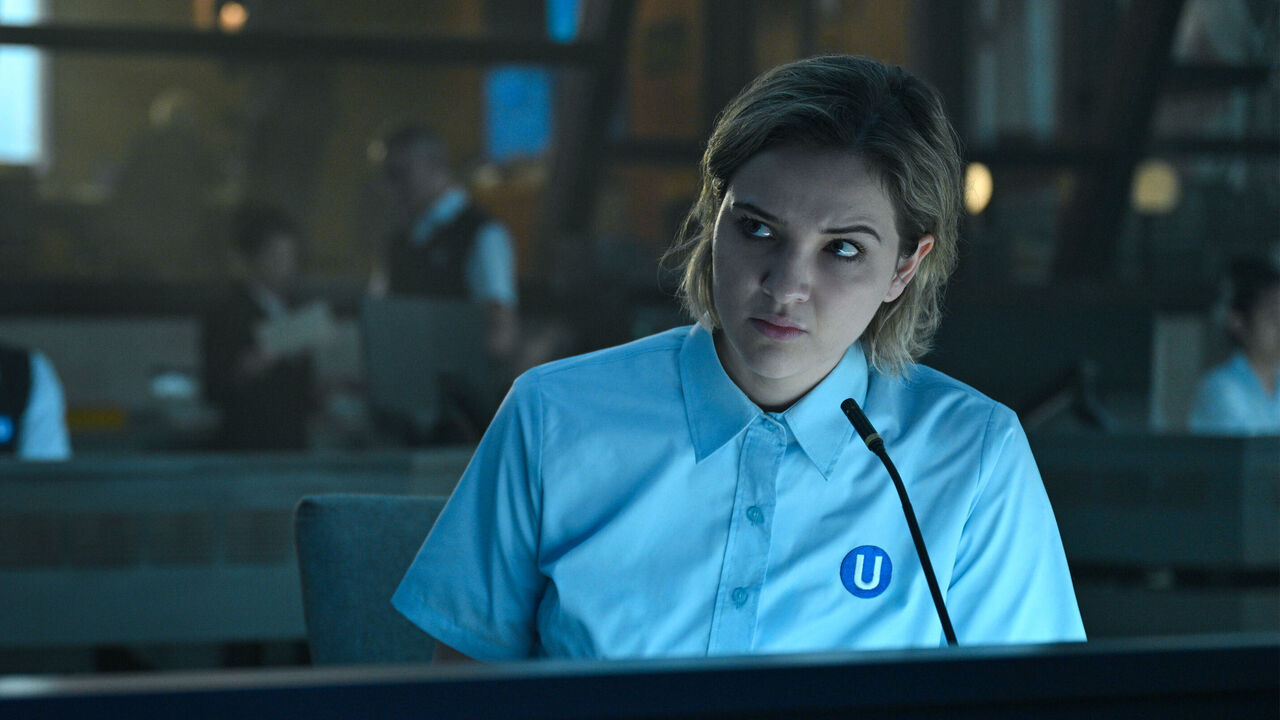
By the time “Baggage” begins, Hijack’s second season has already made it clear that it is not interested in easing viewers into its rhythm. Episode three doubles down on that intent, delivering one of the season’s most tightly constructed and emotionally layered installments so far. It is a confident episode that sharpens the show’s core strengths, performance, pacing, and moral complexity, while also exposing a few structural strains that naturally come with stretching real-time tension across multiple hours. Still, the result is an absorbing, nerve-fraying chapter that feels both immediate and purposeful.
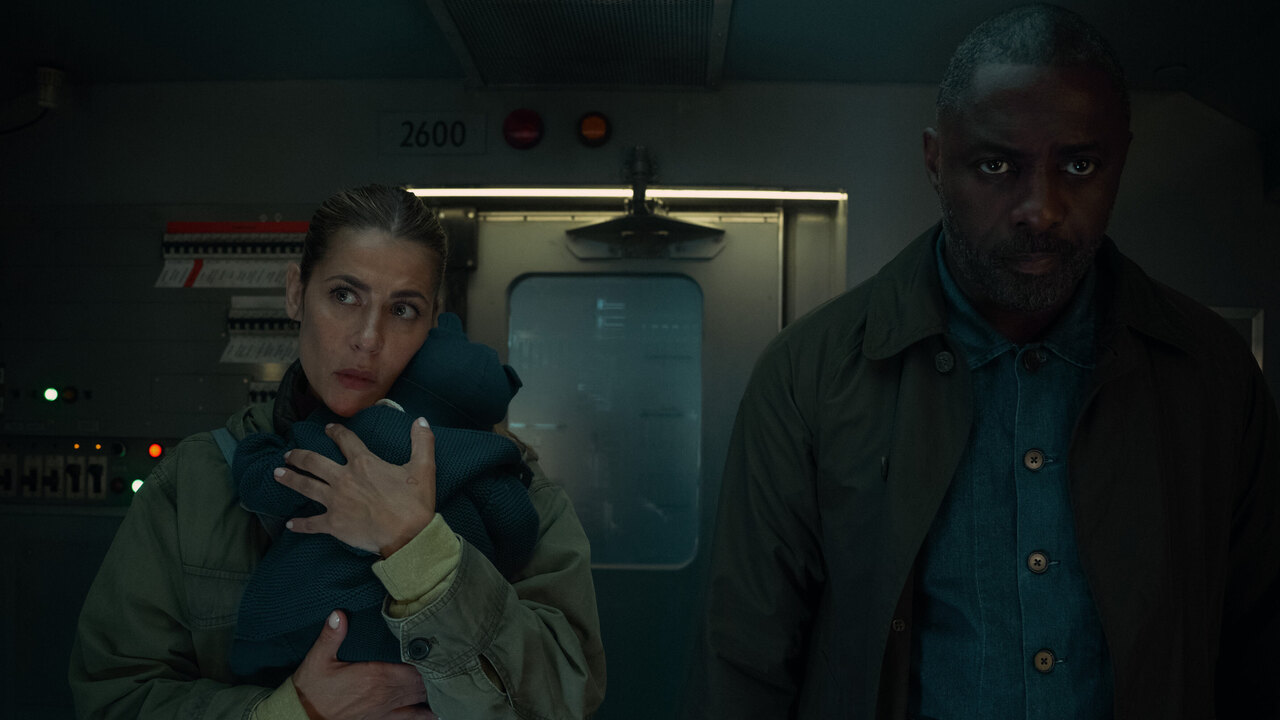
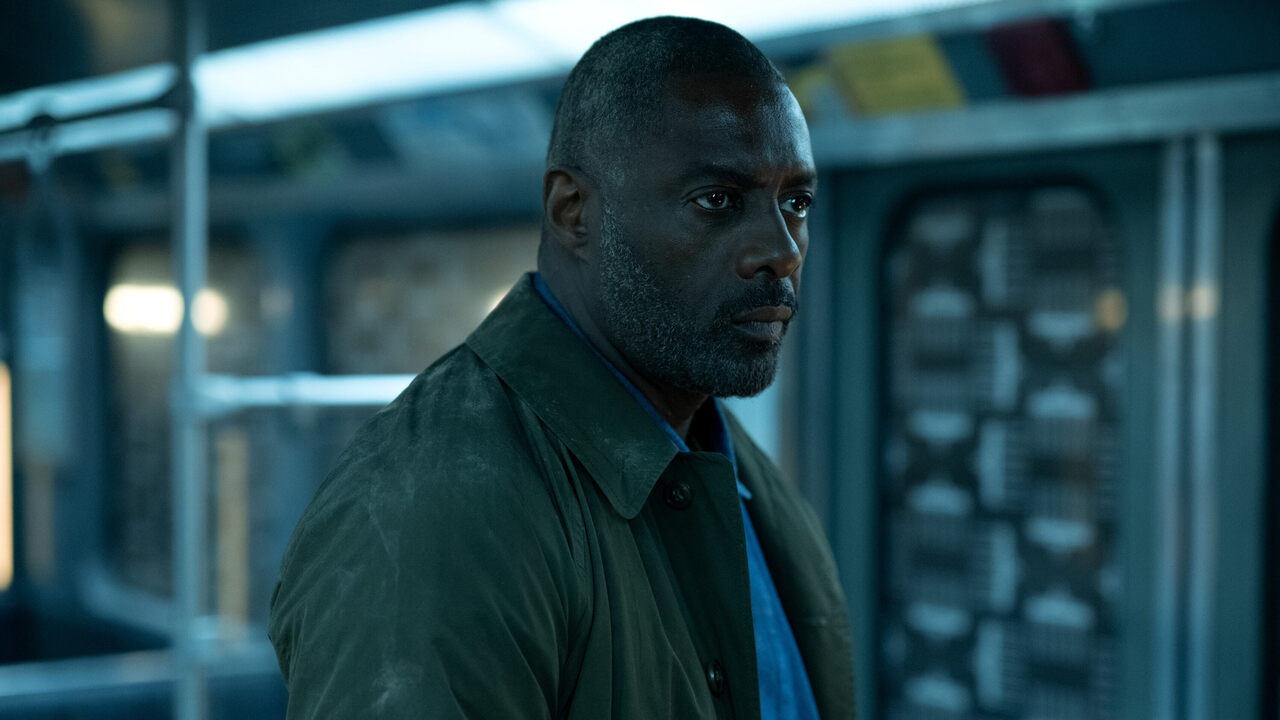
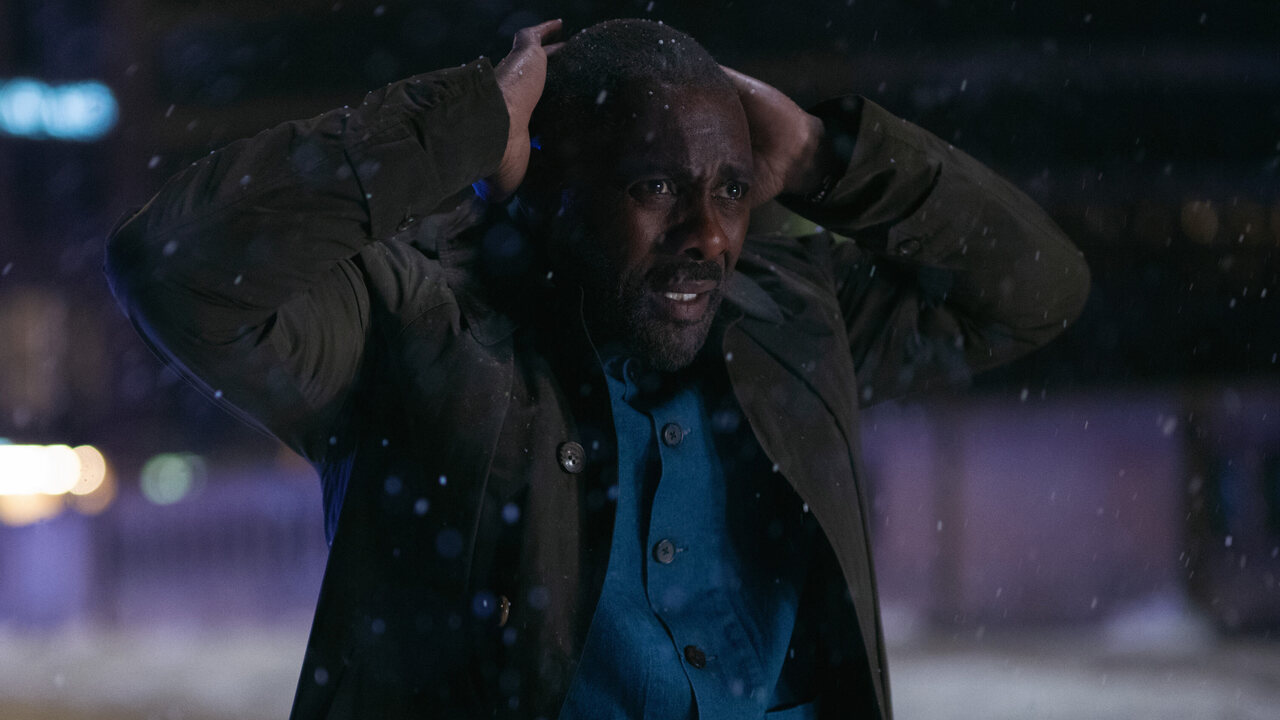
From its opening moments, “Baggage” leans into a more psychological tone. The train remains the physical center of the drama, but the episode is far more interested in what each character is carrying internally. Sam, still played with impressive restraint and intelligence by Idris Elba, steps more decisively into the role of strategic manipulator. His conversations with Berlin police chief Winter become sharper, more calculated, and more openly confrontational. There is a sense that Sam has moved past survival mode and into control mode, and Elba makes that transition feel organic rather than abrupt. His performance remains the anchor of the series, built on small shifts in posture, tone, and timing that communicate far more than any overt emotional display.
What works especially well here is how the episode frames Sam’s tactics as both necessary and morally uneasy. He pushes Winter hard, issuing demands that feel reckless on the surface but are clearly designed to buy time and expose fractures within the larger conspiracy. The writing allows these exchanges to breathe just enough for us to track Sam’s reasoning, without flattening the suspense. The dialogue is crisp and efficient, avoiding grand speeches in favor of precise, loaded lines that advance both plot and character. It is in these moments that Hijack continues to distinguish itself from more generic thrillers, choosing intelligence and emotional realism over bombast.
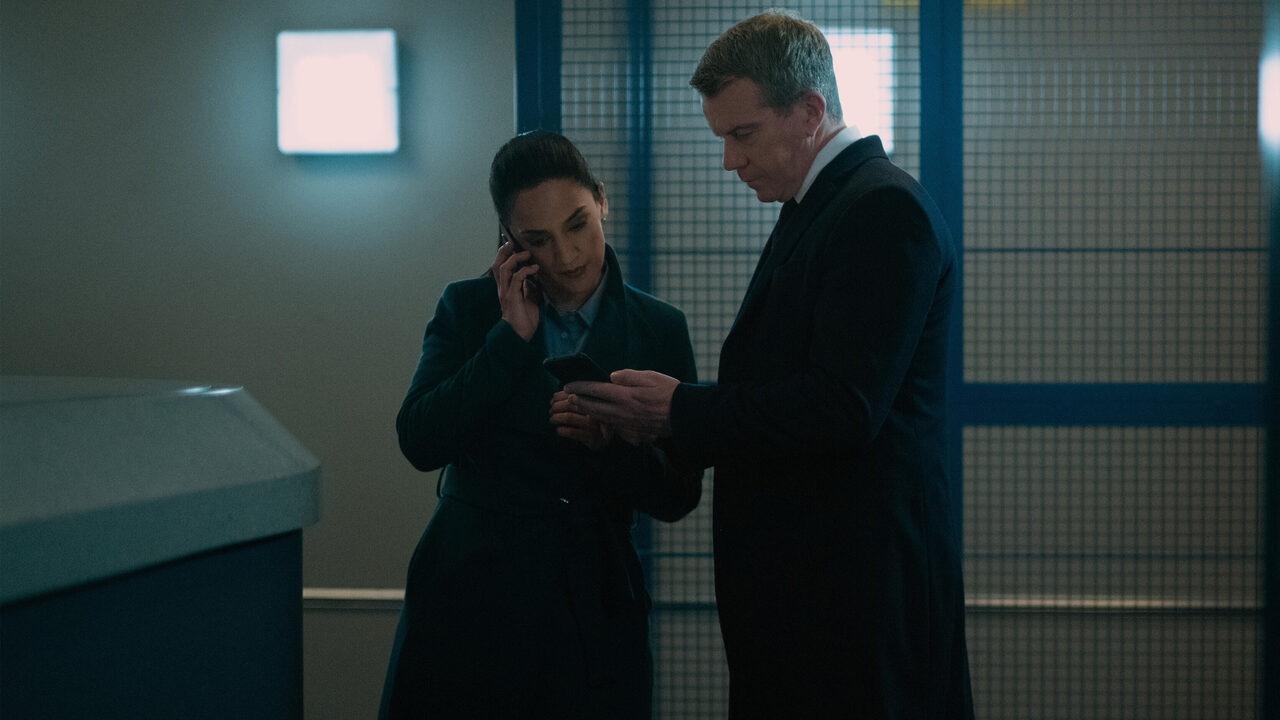
Meanwhile, above ground, Marsha’s storyline takes a darker and more unsettling turn. Her growing realization that she is being watched introduces a creeping sense of vulnerability that contrasts sharply with Sam’s controlled confidence. Christine Adams plays this shift with subtlety, grounding Marsha’s fear in practical detail rather than melodrama. Her scenes are deliberately quieter, but they carry a persistent tension that lingers long after they end. The show smartly resists rushing this subplot, allowing the threat to remain ambiguous enough to feel genuinely destabilizing. It adds a psychological dimension to the episode that broadens the stakes beyond the immediate crisis on the train.
The passengers themselves are also given more narrative weight here. Rather than serving as interchangeable faces of panic, several individuals emerge with distinct motivations and emotional arcs. The title, “Baggage,” proves especially apt as fragments of backstory surface, revealing how personal histories influence decisions under pressure. These moments are handled with restraint, offering just enough insight to humanize the characters without derailing the forward momentum. The series continues to show skill in weaving small, intimate beats into a larger, high-stakes framework, creating a sense that every person on board is part of the unfolding equation.
Visually, the episode maintains the grounded, subdued aesthetic that defines this season. The Berlin subway setting, with its tight corridors, muted lighting, and industrial textures, remains an effective backdrop for the story. The direction emphasizes spatial awareness, using movement through the cars and tunnels to reinforce the feeling of entrapment. Several sequences rely on long takes and controlled camera motion, allowing tension to build organically rather than through rapid cutting. The result is a visual language that feels disciplined and purposeful, reinforcing the show’s commitment to realism.
The sound design deserves particular mention. Subtle background noise—the hum of the train, distant station announcements, muffled conversations—creates a constant undercurrent of unease. These elements are never intrusive, but they subtly remind us of the environment’s instability. The score, when it appears, is sparse and restrained, used more to underline emotional shifts than to manufacture suspense. This restraint pays off, making the moments of escalation feel earned rather than artificially amplified.
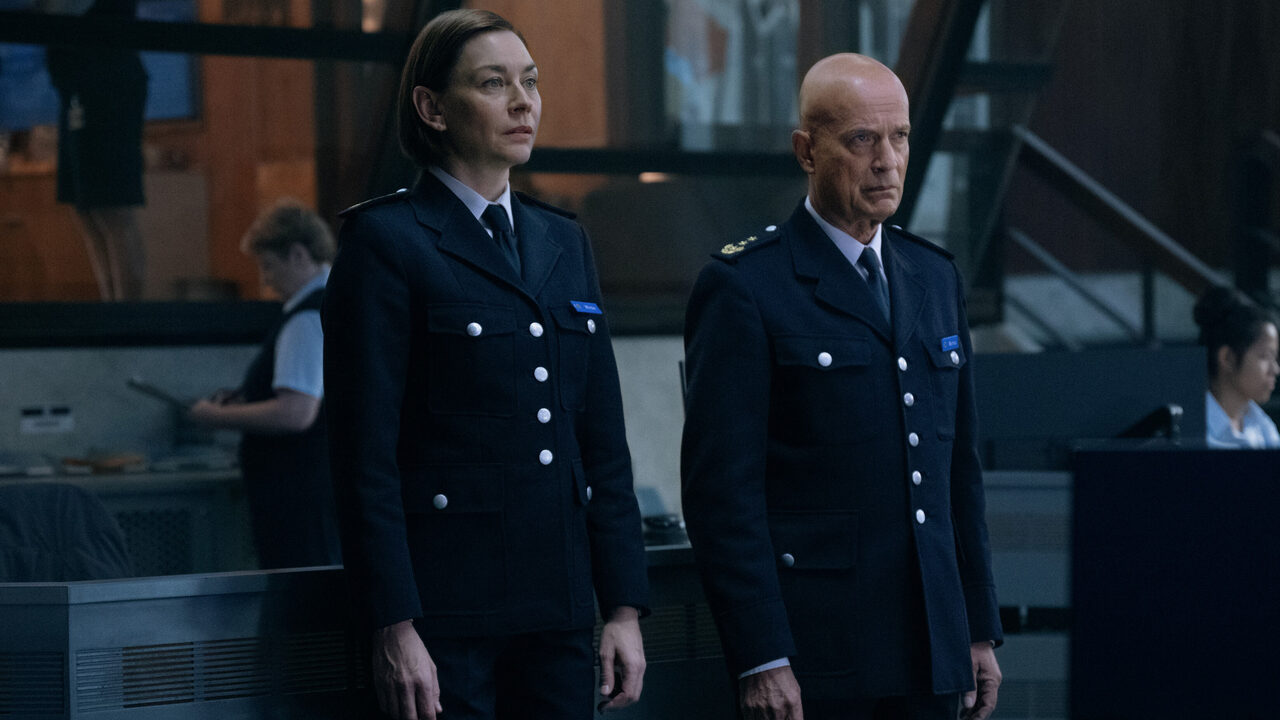
Where the episode occasionally falters is in its structural pacing. While the tension remains high throughout, certain mid-episode beats feel slightly stretched, as though the narrative is marking time before its next major turn. A handful of scenes reiterate emotional points that have already been established, particularly in the interactions between secondary authority figures. These moments are not egregious, but they do momentarily dilute the episode’s otherwise sharp focus. In a story built around real-time urgency, even brief lulls can register more strongly than they might in a conventional drama.
There is also a mild sense of narrative congestion. With multiple storylines unfolding simultaneously—Sam’s negotiations, Marsha’s surveillance, police maneuvering, and the evolving dynamics among the passengers—the episode occasionally risks overextension. Most of these threads are compelling on their own, but their convergence sometimes feels more logistical than organic. Still, the writing largely manages to keep these elements in productive tension, and the episode closes on a note that suggests careful planning rather than narrative sprawl.
One of the episode’s most impressive qualities is its refusal to simplify moral questions. Sam’s actions, while often heroic in outcome, are framed as ethically complex. His manipulation of both hijackers and authorities raises uncomfortable questions about agency, responsibility, and collateral risk. The show does not offer easy answers; instead trusting viewers to grapple with these dilemmas alongside its protagonist. This thematic depth elevates “Baggage” beyond the mechanics of a standard thriller, giving it emotional and intellectual resonance.
The episode's supporting cast enhances its impact, with Dejan Bućin's portrayal of Winter embodying institutional authority and personal strain, turning confrontations with Sam into true battles of will. Lisa Vicari’s role as the subway operator introduces technical realism and emotional steadiness, adding authenticity to the narrative. "Baggage" emerges as a pivotal moment rather than a standalone episode, with shifting narrative dynamics, realigned alliances, and heightened psychological stakes. The restrained closing sequence builds suspense, leaving viewers with a sense of lingering uncertainty rather than shock.
In the larger context of the season, “Baggage” stands out for its balance of momentum and introspection. It advances the plot decisively while deepening the emotional and moral textures that define Hijack’s identity. Minor pacing issues aside, it exemplifies the show’s ability to combine technical precision with character-driven storytelling. As a viewer, I found myself both absorbed in the immediate drama and intrigued by the broader implications of what was unfolding.
Ultimately, this episode reinforces why Hijack remains such a compelling presence in the thriller landscape. It respects its audience’s intelligence, invests in its characters, and maintains a disciplined approach to suspense. “Baggage” does not simply escalate the crisis; it complicates it, ensuring that the journey ahead feels as unpredictable as it is intense. In doing so, it delivers one of the season’s most satisfying and thought-provoking hours, setting the stage for even more challenging confrontations to come.
Final Score- [8/10]
Hi Everyone, after a due consideration, we have decided that we will be open for donations to help us in managing our website. We will be greatful for any kind of amount we receive. Thanks!
— Midgard Times 🎬 (@Moviesr_net) January 4, 2026
PayPal- [email protected] pic.twitter.com/DlNNz5Npm5
Get all latest content delivered to your email a few times a month.
Bringing Pop Culture News from Every Realm, Get All the Latest Movie, TV News, Reviews & Trailers
Got Any questions? Drop an email to [email protected]



 © Copyrights MOVIESR.NET All rights reserved