



I went into “String Theory” expecting a mid-season escalation, something loud and immediate after the emotional and narrative build-up of the previous episodes. What I got instead is more measured, more introspective, and surprisingly confident in its restraint. This episode doesn’t rush toward spectacle; it leans into the idea that understanding the Titans requires patience. That choice pays off more often than it falters.
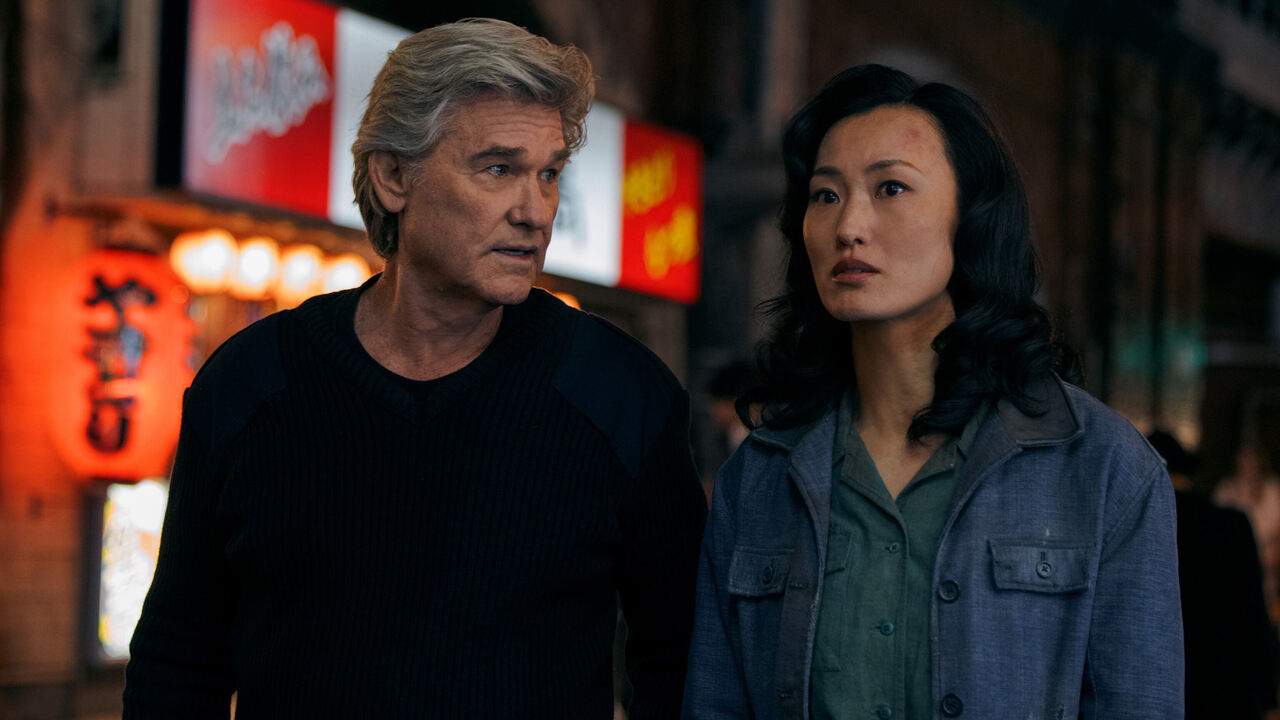
The most compelling thread for me is Shaw’s storyline. The “impossible radio transmission” is handled with a kind of eerie ambiguity that the show doesn’t always trust itself with. Here, it does. There’s a quiet tension in how Shaw processes the signal, especially given everything we’ve learned about his past and his relationship with Monarch’s experiments. Kurt Russell plays this with a grounded weariness, never overplaying the mystery, letting it sit in his reactions rather than turning it into exposition. The direction also deserves credit for not immediately explaining the mechanics behind the transmission. It lets the moment breathe, and in doing so, it restores a sense of curiosity that the series occasionally loses when it gets too procedural.
At the same time, the Cate and Keiko storyline digs into the mythological backbone of the season, this idea that Titan X isn’t just another threat, but something embedded in a longer, almost forgotten history. Their investigation into the “ancient link” feels like the show is finally aligning its dual timelines and thematic ambitions. There’s a real effort here to connect scientific inquiry with something closer to cultural memory, and I appreciated how the writing doesn’t reduce that to a simple reveal. Instead, it unfolds gradually, through fragments, conversations, and visual clues.
Anna Sawai continues to anchor Cate with a sense of internal conflict that never feels forced. She’s still carrying the emotional fallout from earlier episodes, and you can see it shaping how she approaches this discovery. Mari Yamamoto, as Keiko, brings a different energy—more analytical, but increasingly affected by what they’re uncovering. Their dynamic is one of the episode’s strengths. It’s not dramatic in an obvious way, but it’s layered, built on shared purpose rather than overt emotional confrontation.
Kentaro’s subplot with Isabel is where the episode introduces a more overt narrative pivot. The “proposition” he receives has clear implications for the broader power dynamics at play, especially with Apex looming in the background. Ren Watabe plays Kentaro with a quiet hesitation that works well here. He doesn’t jump to a decision, and the script allows that uncertainty to exist without rushing toward a cliffhanger. That said, this thread feels slightly less developed than the others. The stakes are clear, but the emotional weight isn’t fully there yet. It feels like a setup rather than a payoff, which isn’t inherently a problem, but it does make this portion of the episode feel a bit thinner in comparison.
From a structural standpoint, “String Theory” is one of the more balanced episodes of the season. It juggles multiple timelines and perspectives without losing coherence, which is no small feat for a show that often risks overcomplicating itself. The pacing is deliberate, occasionally bordering on slow, but it rarely feels stagnant. Each scene contributes to a larger sense of discovery, even if that discovery is incremental.
Visually, the episode maintains the series’s high standard. The cinematography leans into contrast—dimly lit interiors for the investigative sequences, wider, more open compositions when dealing with the Titans’ presence. There’s a particularly effective use of sound design during the radio transmission scenes. The audio distortion isn’t just a technical effect; it becomes part of the storytelling, reinforcing the idea that communication with these forces is inherently unstable.
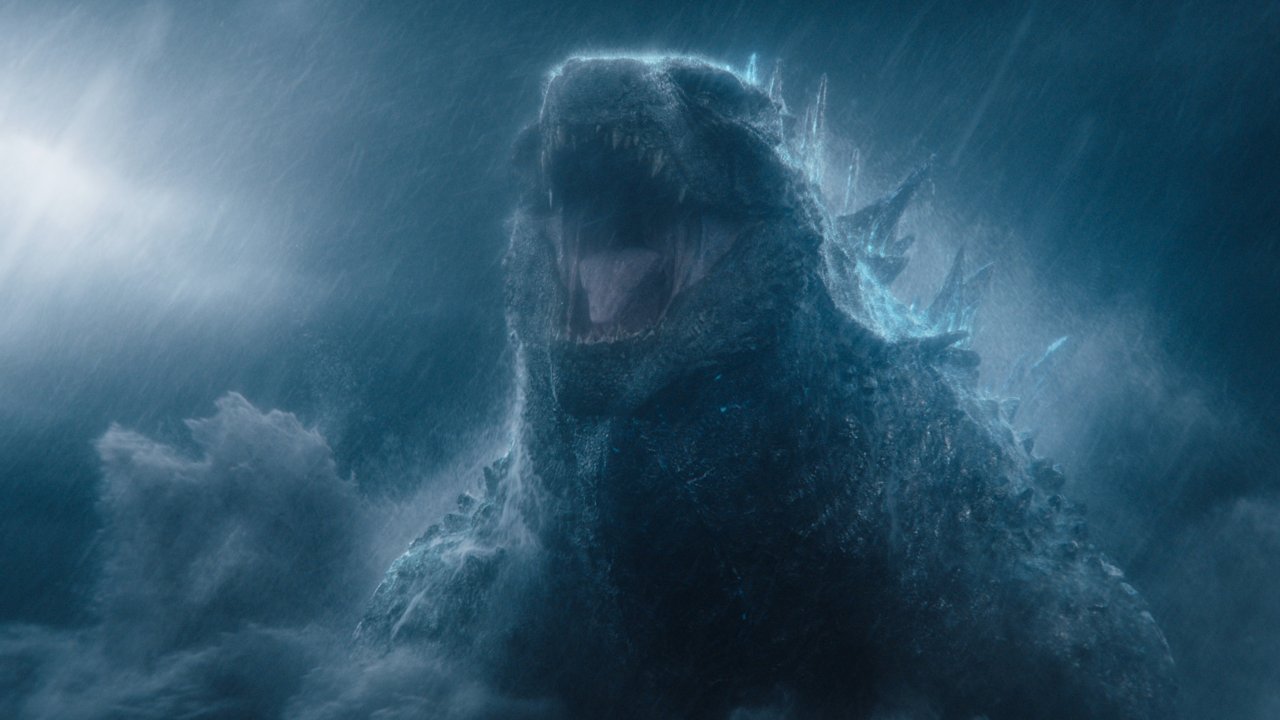
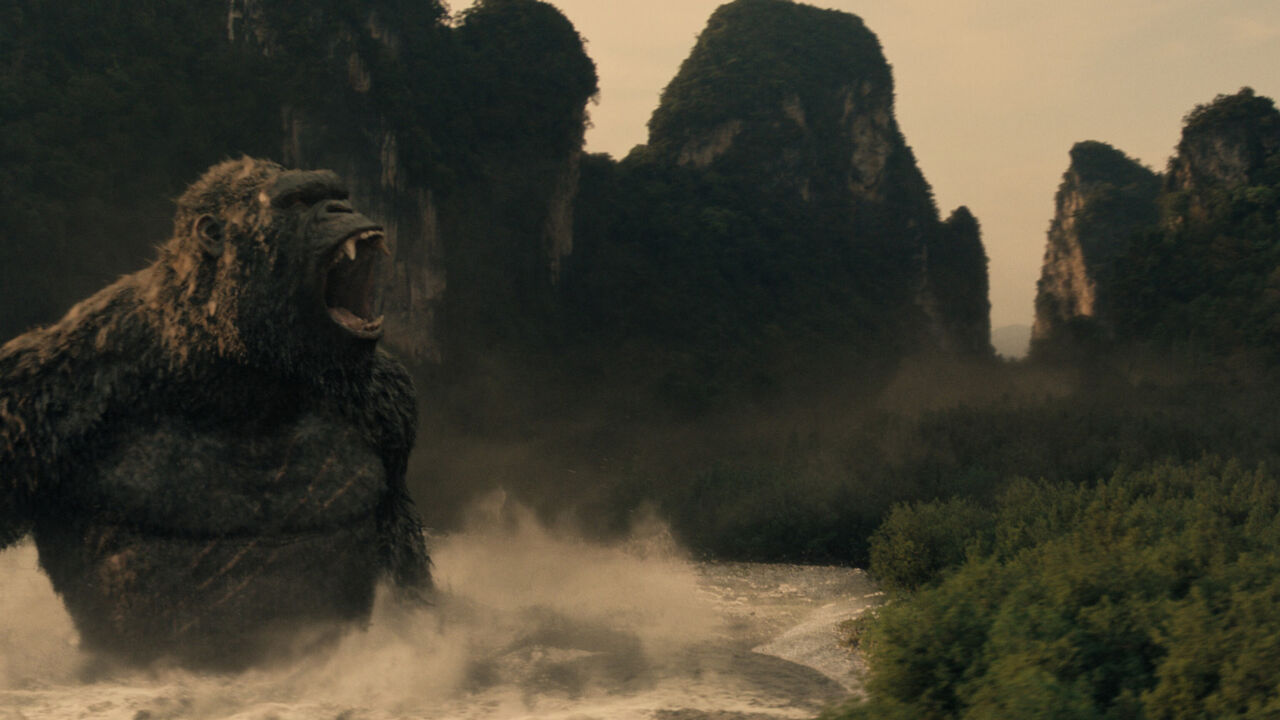
What’s interesting is how little actual Titan action we get here. After the more creature-heavy episodes earlier in the season, this could have felt like a step back. Instead, it feels intentional. By holding back on large-scale action, the episode shifts focus to implication rather than display. Titan X becomes more unsettling because we’re learning about it rather than watching it. That said, I can see this being a point of frustration for viewers who come to the show primarily for its monster elements. The balance between character drama and spectacle has always been tricky for this series, and here it leans firmly toward the former.
If there’s a consistent weakness, it’s in how some of the exposition is handled. While the episode does a better job than most in avoiding heavy-handed explanations, there are still moments where characters articulate ideas that might have been more effective if left implied. A few lines feel like they’re there to ensure the audience is keeping up, rather than trusting them to piece things together. Another minor issue is the lack of immediate payoff. “String Theory” is clearly building toward something larger, and while that’s structurally sound for a serialized narrative, it does mean the episode doesn’t have a strong standalone climax. The tension is more conceptual than visceral, which works intellectually but doesn’t always satisfy on an emotional level.
Even with those reservations, I found myself genuinely engaged throughout. There’s a confidence in how this episode handles its themes—legacy, communication, the limits of human understanding—that sets it apart from more straightforward entries in the series. It feels like the show is finally comfortable sitting in its own complexity, rather than constantly trying to justify it. What stands out most is how “String Theory” reframes the season’s central mystery. It suggests that the answers aren’t going to come from a single revelation or confrontation, but from a series of interconnected discoveries. That approach aligns well with the title, and it gives the episode a sense of cohesion that extends beyond its individual plot threads.
By the end, I wasn’t thinking about what didn’t happen; I was thinking about what it all means moving forward. That’s a good place for an episode like this to land. It may not deliver the immediate excitement some viewers expect, but it strengthens the foundation of the story in a way that feels necessary. In a season that has occasionally struggled to balance its ambitions, “String Theory” feels like a course correction. It’s thoughtful without being overly dense, restrained without feeling empty, and ambitious without losing sight of its characters. It doesn’t aim to be the most explosive episode, and it doesn’t need to be. Instead, it focuses on clarity, connection, and quiet progression—and for the most part, that choice works remarkably well.
Final Score- [8/10]


Hi Everyone, after a due consideration, we have decided that we will be open for donations to help us in managing our website. We will be greatful for any kind of amount we receive. Thanks!
— Midgard Times 🎬 (@Moviesr_net) January 4, 2026
PayPal- [email protected] pic.twitter.com/DlNNz5Npm5
Get all latest content delivered to your email a few times a month.
Bringing Pop Culture News from Every Realm, Get All the Latest Movie, TV News, Reviews & Trailers
Got Any questions? Drop an email to [email protected]



 © Copyrights MOVIESR.NET All rights reserved