


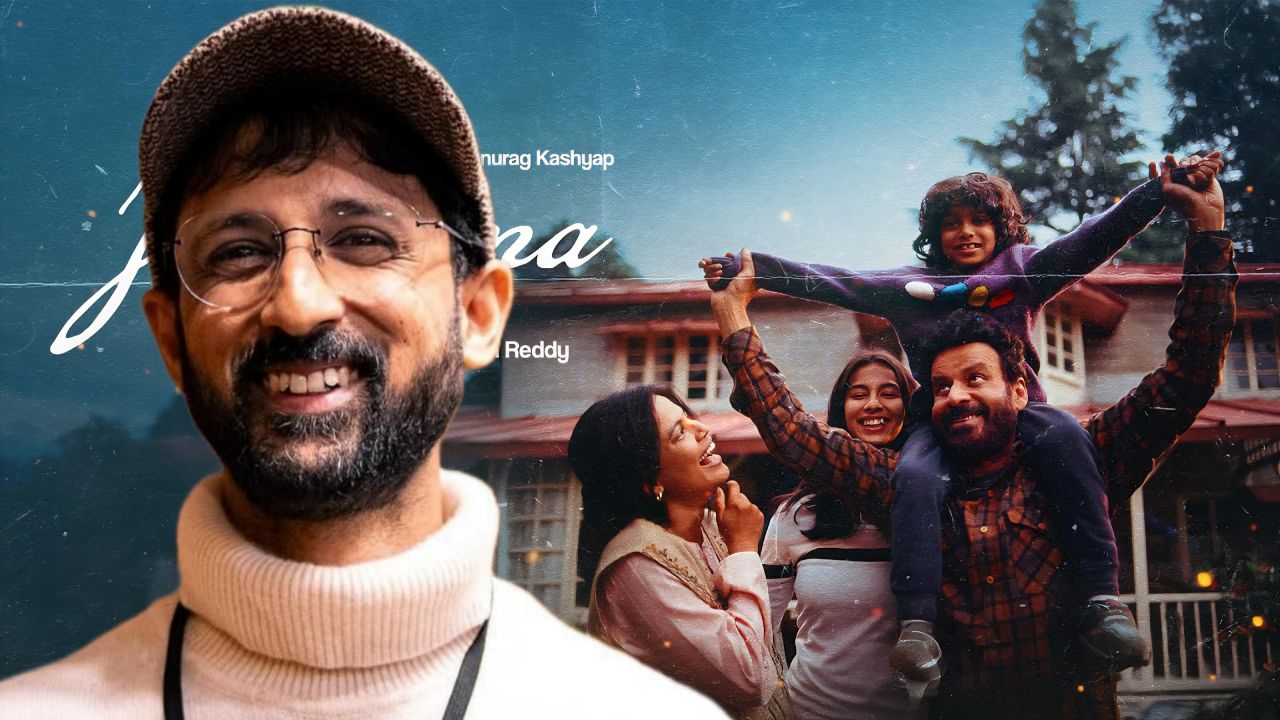
This interview (watch above) is casual yet insightful, blending personal anecdotes with technical breakdowns. It begins with congratulating Mulligan on Assi, which he humbly accepts, setting a tone of reflection and gratitude. Early in the discussion, Mulligan defines cinematography as "the management of color, light, and movement of the camera to promote and provoke feelings and thoughts on behalf of an audience in a visual way." He distinguishes it from mere technical prowess, emphasizing that tools like cameras, lighting, and visual effects are secondary to evoking genuine emotional responses. Mulligan argues that true success lies in visuals that seamlessly integrate into the story, guiding viewers through characters' emotional journeys without drawing attention to themselves.
After studying English writing at university, Mulligan spent four unfulfilling years in unrelated jobs — selling financial data, working at a hedge fund, marketing records, and handling PR for restaurants. Feeling adrift, he enrolled in film school, initially aiming to direct. However, when classmates enlisted him to shoot their projects, he discovered a passion for cinematography's collaborative, visual focus, contrasting directing's solitary demands. Film school provided technical basics, but Mulligan supplemented it with self-study: books, interviews, magazines, and early YouTube behind-the-scenes content. He mentions influences like Seamus McGarvey, who advised "feeling into the story," though no formal mentorship occurred. Instead, practical experience with skilled directors taught him to prioritize shooting for the edit, story, and characters over flashy showreels. Mulligan handles high-end UK TV and long-form projects alongside Indian films. Core similarities include story service, daily shot quotas, and problem-solving. However, cultural differences shine through: Indian crews innovate with simple tools like ropes for rigging heavy equipment, a technique Mulligan has adopted in the UK. Aesthetically, Bollywood favors vibrant, saturated colors and brighter lighting, while British work leans on strong screenplays and dialogue. Mulligan stresses the importance of cultural sensitivity to foster audience empathy, warning against imposing foreign aesthetics that could alienate viewers.
The heart of the interview explores Mulligan's collaboration with director Anubhav Sinha, which he calls the "luckiest thing" in his career. While vacationing in South India, Mulligan joined Sinha for lunch, bonding over food, films, and politics—leading to a job offer weeks later. Their joint projects include Tum Bin 2, Mulk, Article 15, and Assi. Mulligan notes Sinha's shift from romantic films to politically charged ones, like Mulk, Anek, and Article 15. Unfamiliar with Sinha's early work, Mulligan feels he joined during the director's "2.0" phase, aligning with his own interest in substantive themes. Mulligan likens it to detective work, involving deep script analysis, table reads, and director discussions to uncover subconscious intentions. Preparation includes selecting lenses for specific effects, such as wide angles to isolate characters, and transforming abstract ideas into tangible visuals. He discusses lighting preferences, favoring natural light for its authenticity despite logistical challenges. It demands meticulous pre-production and yields an "electric" on-set energy. For Article 15, he timed shoots around dawn and dusk to evoke mystery and marginalization of less-privileged characters, contrasting with brighter setups for the elite, visually underscoring caste themes.
Specific to Assi, Mulligan aimed for an intimate approach, minimizing barriers between audience and characters. A subtle innovation: filming male characters on Super 35 sensors and females on large format to bias sympathy toward women through edited proximity differences—imperceptible yet effective. Other choices include natural white light, character-driven camera movements without zooms, increased POV shots for immersion, and a pivotal two-shot courtroom scene using POV for clarity.
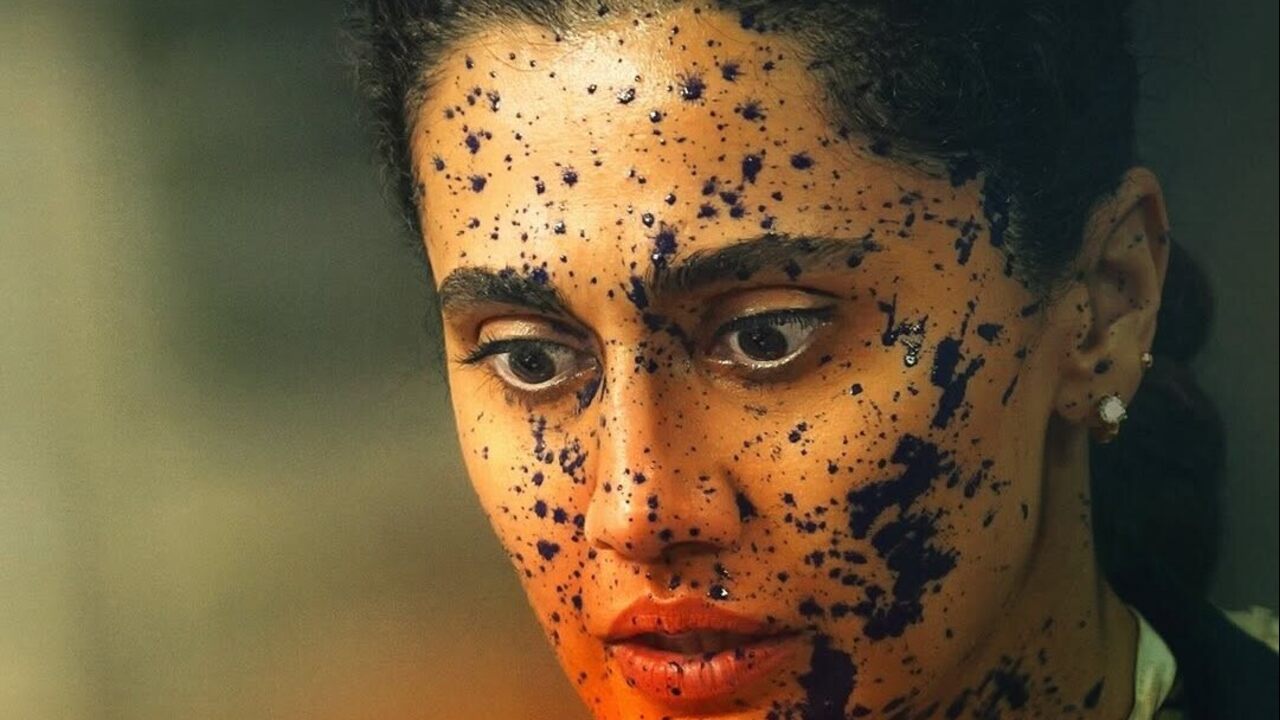
Mulligan details a one-take car park interrogation with Taapsee Pannu, opting for large format to emphasize her narrative drive, avoiding handheld for stability in the dense drama. The sensitive rape scene was handled with utmost care, scheduled last after gauging the project's tone. Planned over months, it avoids explicitness, using subliminal projections and focusing on perpetrators' mindsets to explore motivations without endorsement. Shot in a studio with LED volumes matching pre-filmed Delhi backgrounds, it prioritized actor safety, with Mulligan praising the young male actors' professionalism.
On camera techniques, Mulligan prefers handheld for reactive, unfolding drama but defaults to tripods or dollies for dense scenes, avoiding unnecessary movement. His dynamic with Taapsee Pannu, evolving from Mulk to Assi, shifted to greater familiarity and trust, allowing her confident performances to shine, like in a rant scene.
Broader industry topics include streaming's minimal influence on composition, as Mulligan prioritizes cinematic ideals over trends. He's excited by emerging tech like the Ronin 4D for integrated gimbal shots, as in Assi's vigil scene, but sees AI as a threat mainly to non-fiction, not narrative filmmaking. Mulligan dreams of reshooting "Apocalypse Now" for its epic scale but prefers not revisiting his own work. Future aspirations include small, road-trip films with tiny crews for pure creativity. The interview wraps, highlighting Mulligan's emphasis on emotional storytelling, collaboration, and cultural adaptation in Assi and beyond. It inspires aspiring filmmakers by demystifying the craft while celebrating its artistry.

Hi Everyone, after a due consideration, we have decided that we will be open for donations to help us in managing our website. We will be greatful for any kind of amount we receive. Thanks!
— Midgard Times 🎬 (@Moviesr_net) January 4, 2026
PayPal- [email protected] pic.twitter.com/DlNNz5Npm5
Get all latest content delivered to your email a few times a month.
Bringing Pop Culture News from Every Realm, Get All the Latest Movie, TV News, Reviews & Trailers
Got Any questions? Drop an email to [email protected]



 © Copyrights MOVIESR.NET All rights reserved