



I went into the final season of High Tides expecting closure, but not necessarily satisfaction. This show has always thrived on instability, and Season 3 leans into that identity with confidence. It doesn’t try to reinvent itself; instead, it sharpens what it has always done well: complicated characters making questionable decisions in a setting that looks calm but rarely feels that way.
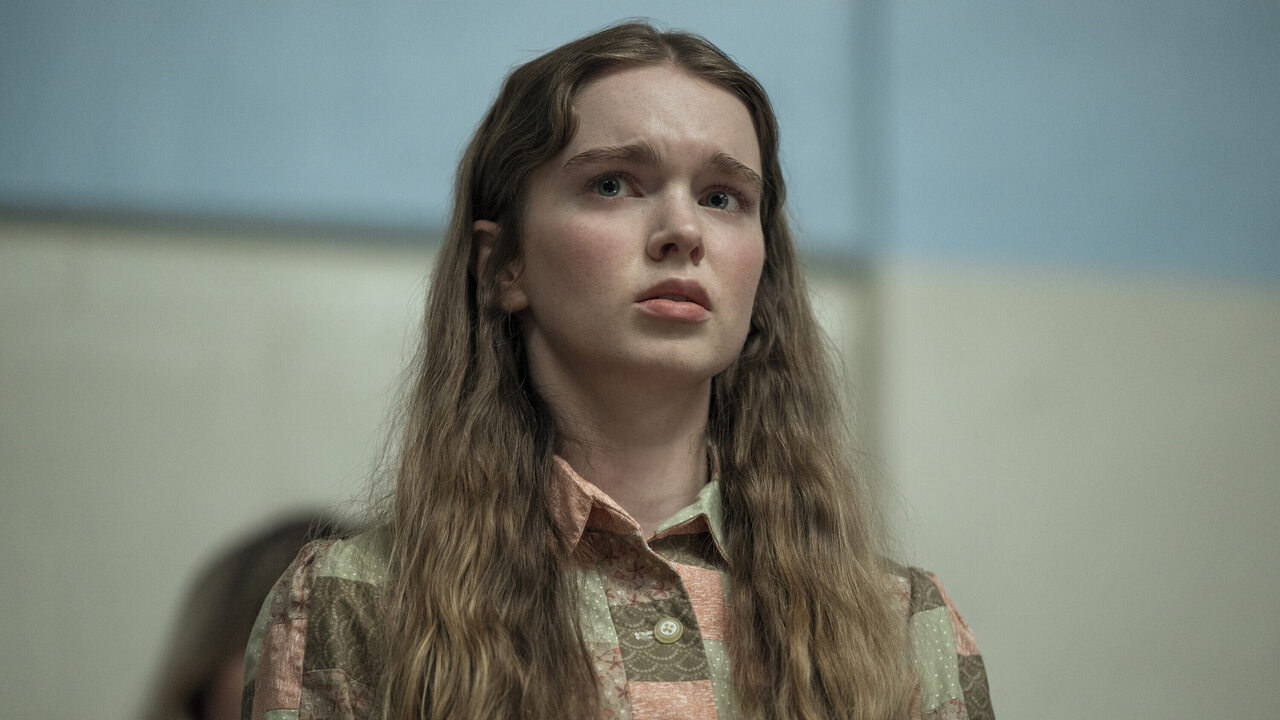
The biggest structural shift this season introduces is its sense of aftermath. Louise’s return to Knokke after months in a psychiatric institution immediately reframes the story. She’s no longer just reacting to chaos; she’s actively trying to rebuild some sense of control, which gives her arc a stronger internal drive than in previous seasons. Watching her navigate familiar spaces that now feel unfamiliar is one of the more grounded elements of the season, and Pommelien Thijs handles this transition with a kind of quiet precision. She doesn’t overplay the vulnerability, which makes the moments where she does crack feel earned.
At the same time, the show doesn’t isolate her story. Alex and Daan, who have always operated in morally flexible territory, are now clearly hiding things that carry heavier consequences. What I appreciated is that the writing doesn’t rush to reveal these secrets. Instead, it allows tension to accumulate through small behavioral cues, hesitations, evasive conversations, and subtle shifts in loyalty. It’s a more restrained approach than earlier seasons, and it works because the audience already understands how fragile these relationships are.
The decline of the Vandael real estate empire acts as a central pressure point this season, and it’s handled with a surprising level of narrative coherence. Rather than turning it into a background subplot, the series integrates it into nearly every character decision. Money, power, and reputation have always been part of this world, but here they feel less like status symbols and more like liabilities. The arrival of Anton Vermeer adds a clear external antagonist, but what’s interesting is that the show never lets him overshadow the internal conflicts. He’s a catalyst, not the core problem.
Visually, the season remains consistent with the show’s established aesthetic. The Belgian coast still looks polished, almost too composed, which contrasts effectively with the emotional volatility of the characters. The decision to include a winter setting midway through the season is a smart one. It breaks the visual monotony and reinforces the thematic shift—these characters are no longer in the carefree summer space where their problems could be ignored. The colder environment mirrors the growing distance between them, and it’s one of the few stylistic choices that feels both deliberate and meaningful rather than purely decorative.
The pacing, for the most part, is controlled and confident. Episodes take their time, especially in the first half, to re-establish relationships and stakes. This slower build pays off in the latter half, where the narrative threads begin to converge. However, there are moments where the show lingers a bit too long on repetitive emotional beats. Certain confrontations feel like variations of earlier arguments rather than genuine progression, and it occasionally gives the impression that the series is stretching its final arc instead of tightening it.
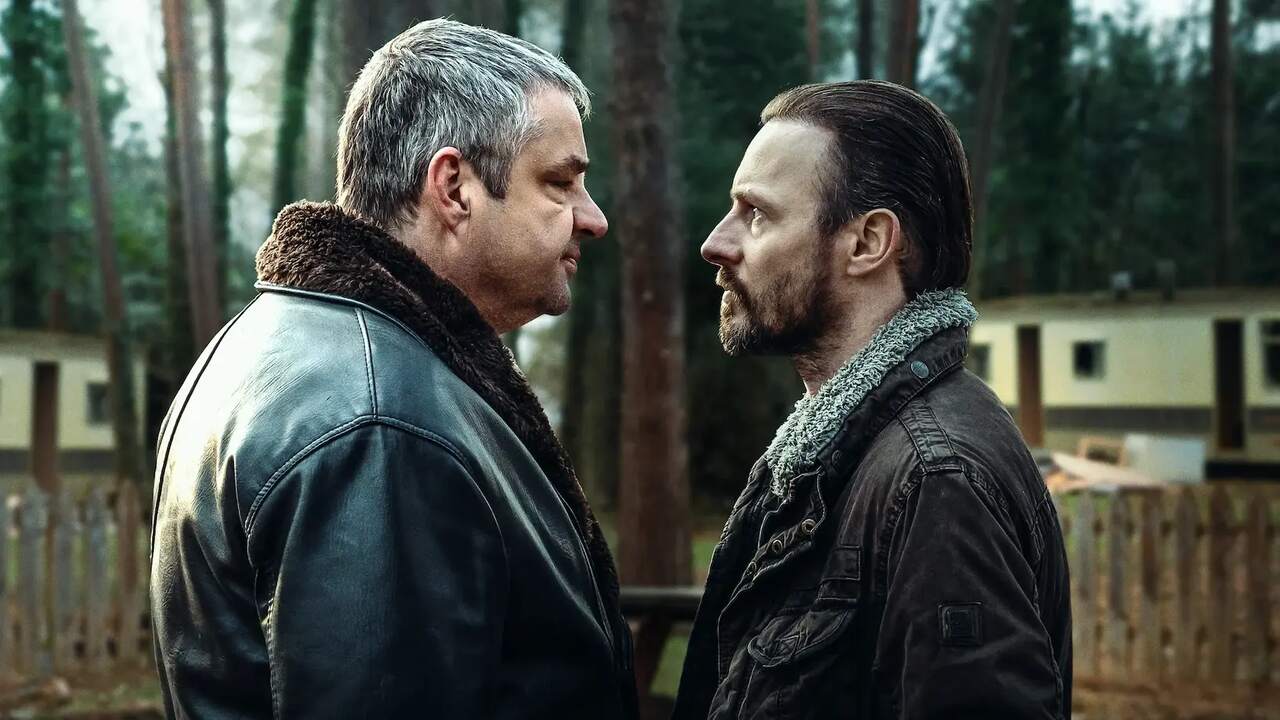
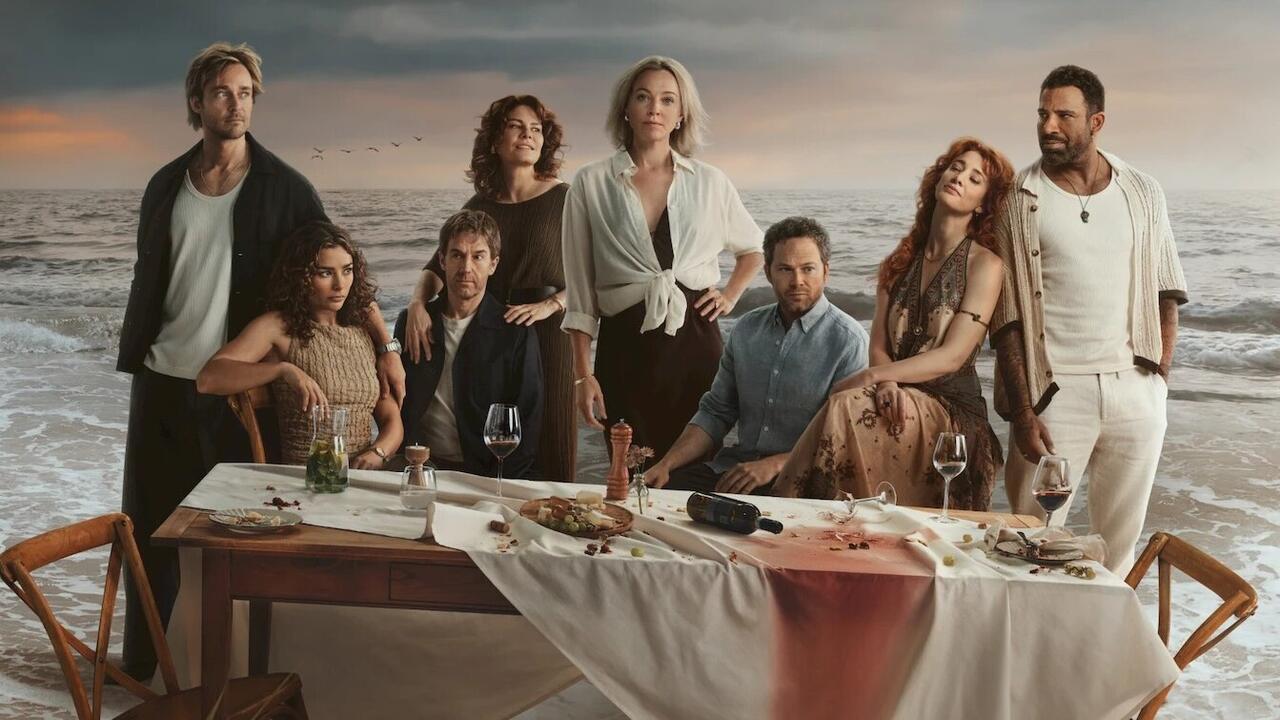
Performance-wise, the ensemble continues to be one of the show’s strongest assets. Willem De Schryver brings a layered ambiguity to Alex that keeps him unpredictable without making him incoherent. Eliyha Altena’s Daan, on the other hand, feels more reactive this season, which works in some scenes but makes his overall arc slightly less compelling. The newer additions, particularly Daan Schuurmans as Anton, fit into the tone of the series without feeling forced, though his character occasionally leans toward familiarity rather than originality.
Where the season really succeeds is in its handling of consequences. This is not a show that suddenly becomes moralistic in its final chapter, but it does become more honest. Actions that were previously brushed aside or reframed now have tangible effects. Relationships don’t just fracture—they end. Power doesn’t just shift—it collapses. And for a series that has often thrived on ambiguity, this clearer sense of cause and effect adds weight to the story.
That said, the writing isn’t always as sharp as it could be. Some dialogue exchanges feel overly constructed, especially in scenes that are clearly meant to be pivotal. Instead of letting the actors carry the emotional weight, the script occasionally spells things out in a way that undercuts the natural tension. It’s not constant, but it’s noticeable enough to pull you out of the moment when it happens.
Another minor issue is the balance between character arcs. While Louise’s journey is given the depth it deserves, a few supporting characters feel underdeveloped in comparison. Their storylines exist, but they don’t always evolve in meaningful ways. In a final season, this imbalance becomes more apparent because you’re more aware of what’s being concluded and what’s simply being wrapped up. Still, the show understands its tone better than ever. It doesn’t try to become something it’s not. There’s no sudden shift into spectacle or exaggerated drama. The conflicts remain personal, the stakes remain grounded in relationships, and the storytelling stays focused on emotional consequences rather than plot twists for their own sake.
By the time the season reaches its final stretch, there’s a clear sense that the story is closing in on itself. Threads that have been building since the first season finally intersect, and while not every resolution is satisfying, most of them feel appropriate. The series doesn’t offer neat closure, but it does offer clarity, which feels more in line with its overall identity.
What stayed with me after finishing Season 3 wasn’t a single dramatic moment, but the cumulative effect of watching these characters run out of ways to avoid themselves. That’s where the show is at its strongest—when it stops circling conflict and actually confronts it. In the end, High Tides finishes on its own terms. It’s still messy, still frustrating at times, and still deeply engaging. It doesn’t smooth out its rough edges, but it doesn’t need to. Those edges are part of what makes the series feel real, even when the world it portrays is anything but ordinary.
Final Score- [7/10]
Reviewed by - Anjali Sharma
Follow @AnjaliS54769166 on Twitter
Publisher at Midgard Times



Hi Everyone, after a due consideration, we have decided that we will be open for donations to help us in managing our website. We will be greatful for any kind of amount we receive. Thanks!
— Midgard Times 🎬 (@Moviesr_net) January 4, 2026
PayPal- [email protected] pic.twitter.com/DlNNz5Npm5
Get all latest content delivered to your email a few times a month.
Bringing Pop Culture News from Every Realm, Get All the Latest Movie, TV News, Reviews & Trailers
Got Any questions? Drop an email to [email protected]

 © Copyrights MOVIESR.NET All rights reserved