



I went into Ripple expecting a fairly standard slow-burn mystery, but what I didn’t expect was how invested I would become in the emotional lives of its characters. The show is less interested in the mechanics of its central mystery and more focused on how that mystery spreads through people, altering relationships, exposing fault lines, and quietly reshaping identities. That choice doesn’t always work in its favor, but when it does, it gives the series a grounded, thoughtful quality that’s hard to ignore.
The premise is deceptively simple. A sudden, unexplained event disrupts the fragile equilibrium of a coastal community, and what follows is less about solving what happened and more about tracing its aftereffects. Each episode widens the lens slightly, revealing how different individuals interpret, react to, and internalize the same incident. I appreciated how the narrative trusts the audience to sit with ambiguity. There’s no rush to provide answers, and in many cases, the show seems deliberately uninterested in offering clean resolutions. That restraint feels intentional rather than lazy, though it does test patience at times.
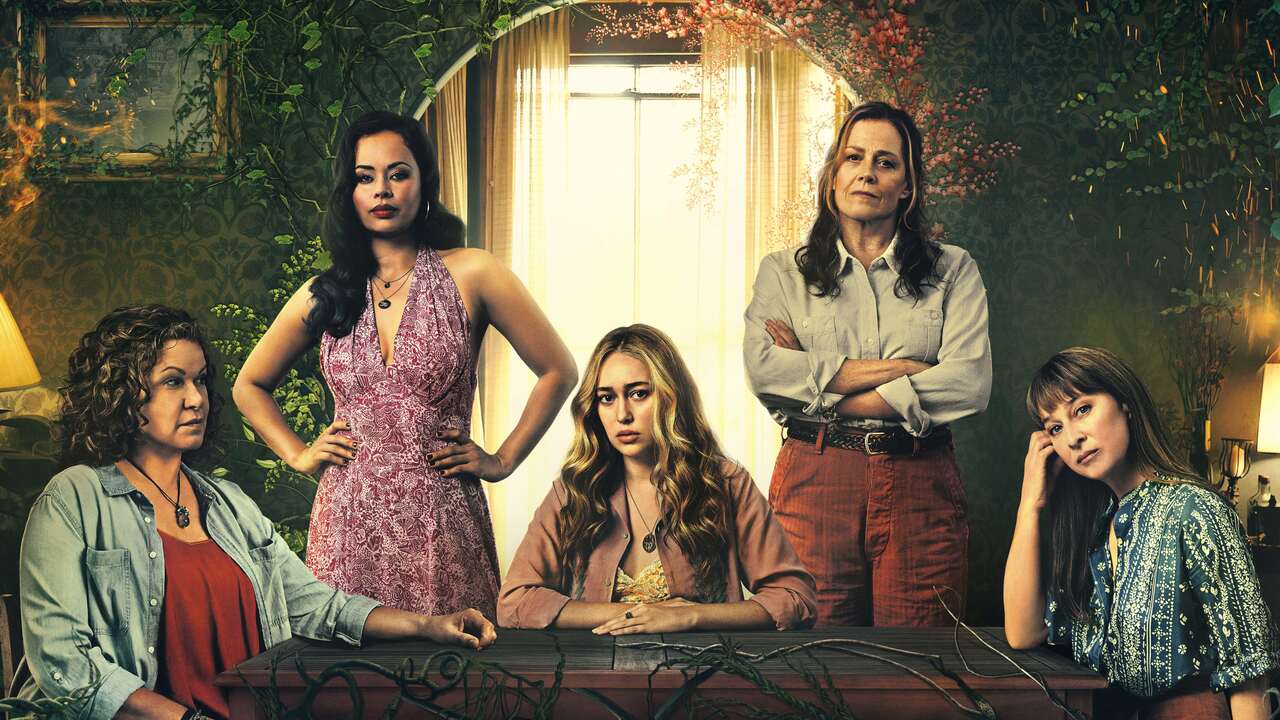
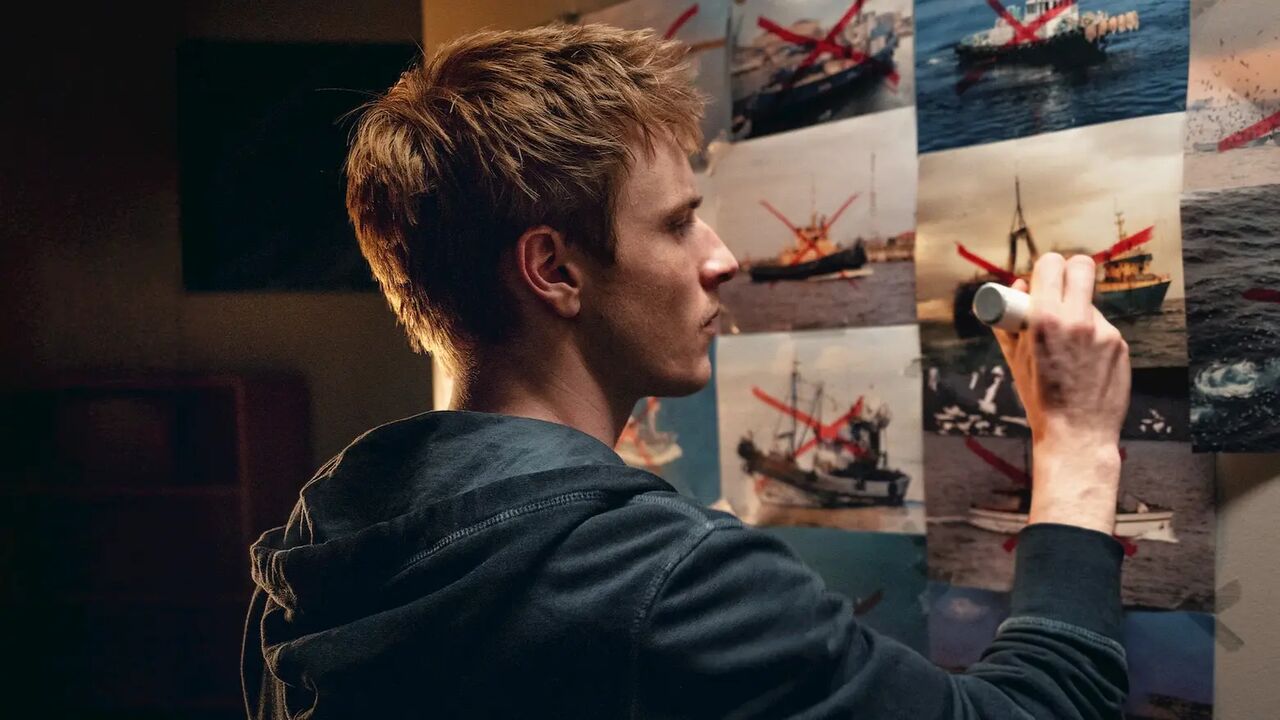
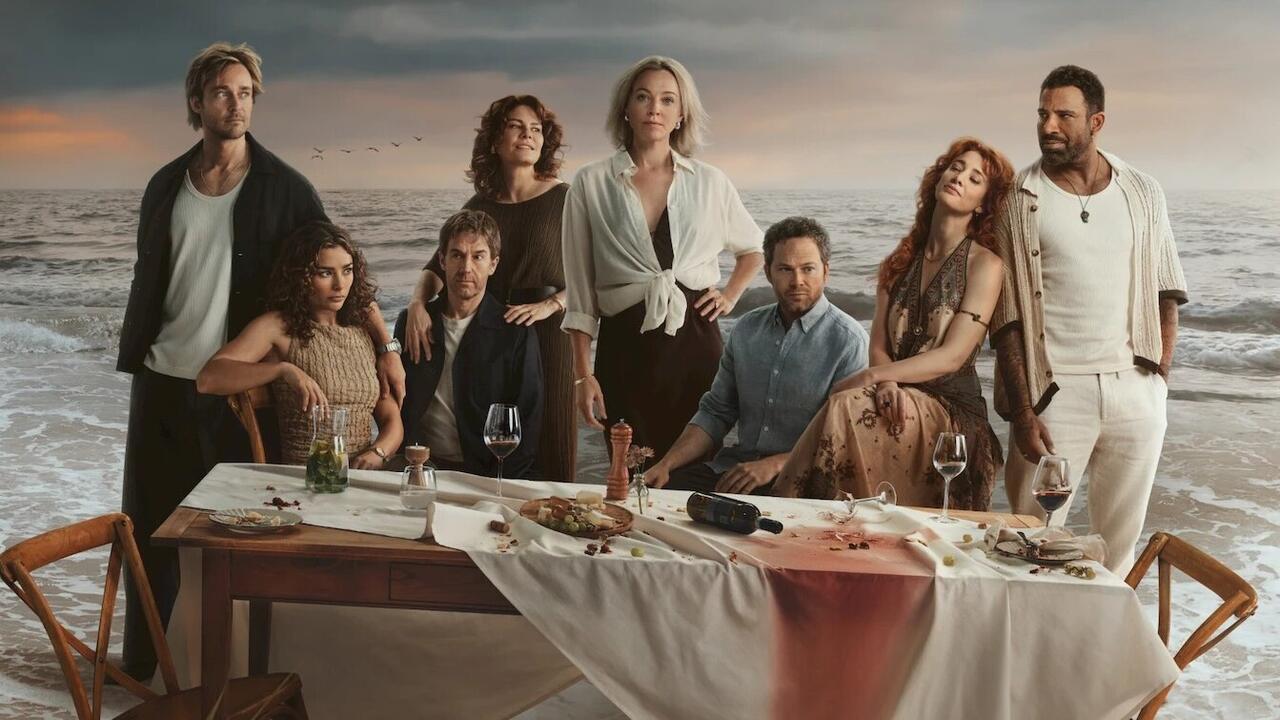
What held my attention most consistently was the characters' writing. They feel lived-in. Their reactions are often messy, sometimes contradictory, and rarely convenient for the plot. The central figures—particularly the town’s unofficial historian, a local journalist trying to make sense of the chaos, and a family directly affected by the incident—are written with enough nuance that even their questionable decisions feel understandable. I found myself empathizing with people I wouldn’t normally root for, which is always a sign that the writing is doing something right.
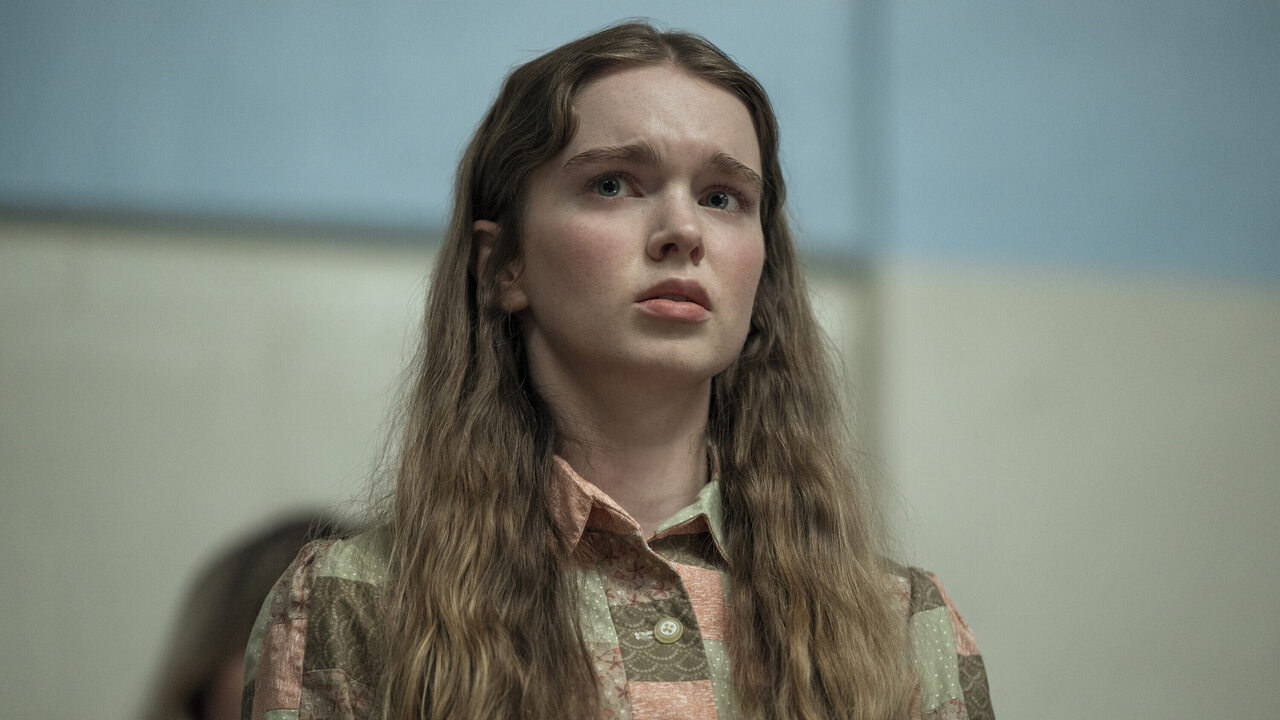
The performances elevate this material significantly. There’s a quiet confidence in how the actors approach their roles. No one overplays the drama. Emotional moments are allowed to unfold in a controlled, almost understated way, which suits the series' tone. One standout performance comes from the actor playing the journalist, who manages to convey both determination and exhaustion without turning the character into a cliché. There’s a particular scene midway through the season, involving a late-night conversation that shifts the direction of the investigation, that feels especially authentic because of how restrained it is.
Visually, Ripple leans into its setting effectively. The coastal landscape isn’t just a backdrop; it becomes part of the storytelling. The cinematography favors natural light, muted colors, and steady framing, which creates a sense of realism that complements the narrative’s focus on human behavior. I liked how often the camera lingers just a bit longer than expected, allowing reactions to settle rather than cutting away quickly. It adds to the feeling that we’re observing rather than being guided.
That said, the pacing is where the show becomes a bit uneven. While I generally enjoy slow storytelling, Ripple occasionally stretches scenes beyond their emotional payoff. There are episodes, particularly in the middle stretch, where the narrative seems to stall. New information is introduced, but it doesn’t always feel substantial enough to justify the time spent getting there. I found myself wishing for a slightly tighter structure—something that could maintain the contemplative tone without sacrificing momentum.
Another issue is the way the central mystery is handled. The show clearly prioritizes character over plot, which I respect, but there are moments when the balance tips too far. Some threads are introduced with a sense of importance and then left underdeveloped. By the time the series starts to bring these elements back into focus, the impact isn’t as strong as it could have been. It’s not that the mystery is poorly constructed; it’s that it sometimes feels secondary in a way that undermines the tension.
Dialogue is another mixed element. At its best, it feels natural and specific to each character. At its weakest, it leans into repetition, with certain themes and phrases resurfacing a bit too often. I understand the intention—reinforcing the idea of cycles and recurring consequences—but it occasionally comes across as redundant rather than purposeful.
Despite these flaws, I found the overall experience engaging. There’s a consistency in tone that holds everything together. The show knows what it wants to be and rarely deviates from that vision. Even when the pacing slows or the plot loses focus, the emotional throughline remains intact. That’s what kept me watching. I wanted to see how these people would change, not just what would happen next.
One of the aspects I appreciated most was how the series handles its ending. Without giving anything away, it resists the urge to tie everything up neatly. Some questions are answered, but others are left open, and not in a frustrating way. It feels aligned with the show’s central idea that actions have ongoing consequences that don’t resolve cleanly. I left the final episode feeling satisfied, though not in the conventional sense of closure.
From a technical standpoint, the direction is confident. There’s a clear understanding of how to build atmosphere without relying on heavy-handed techniques. The score is used sparingly, which I think works in the show’s favor. Silence is often more effective here than music, and the creators seem to understand that. If I had to sum up my experience, I’d say Ripple is a series that rewards patience but occasionally asks for more of it than necessary. It’s strongest when it focuses on the internal lives of its characters and slightly less effective when it tries to maintain suspense through its central mystery. Still, there’s enough depth and intention in the storytelling to make it stand out from more formulaic entries in the genre.
I wouldn’t recommend it to someone looking for a fast-paced thriller or a tightly plotted mystery. But if you’re interested in character-driven drama that takes its time exploring how people respond to disruption and uncertainty, there’s a lot here to appreciate. It’s the kind of show that lingers, not because of shocking twists or dramatic reveals, but because of the quiet, cumulative impact of its storytelling.
Final Score - [7/10]
Reviewed by - Anjali Sharma
Follow @AnjaliS54769166 on Twitter
Publisher at Midgard Times



Hi Everyone, after a due consideration, we have decided that we will be open for donations to help us in managing our website. We will be greatful for any kind of amount we receive. Thanks!
— Midgard Times 🎬 (@Moviesr_net) January 4, 2026
PayPal- [email protected] pic.twitter.com/DlNNz5Npm5
Get all latest content delivered to your email a few times a month.
Bringing Pop Culture News from Every Realm, Get All the Latest Movie, TV News, Reviews & Trailers
Got Any questions? Drop an email to [email protected]

 © Copyrights MOVIESR.NET All rights reserved