



There is a particular kind of romantic comedy that understands relationships are rarely as simple as finding the right person. Sometimes the more complicated relationship is the one you already have: the friend who has been there through every disastrous date, questionable decision, and late-night crisis, until one of you starts moving towards a life the other isn't quite ready to share. Seriously Single Too takes that familiar tension and builds a sequel around it. The result is an occasionally entertaining South African comedy that has a worthwhile understanding of female friendship, even if its storytelling doesn't always make the most of it.
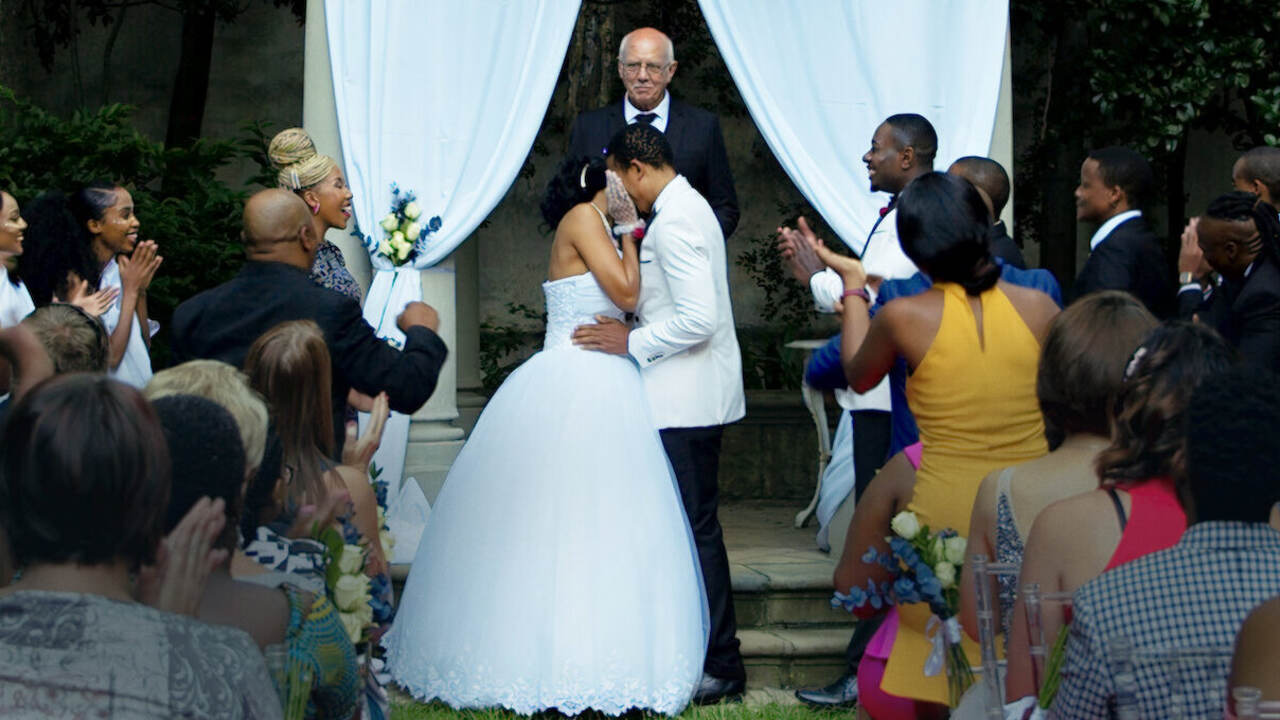
Directed by Katleho and Rethabile Ramaphakela, the film brings back the world of Seriously Single (2020), with Fulu Mugovhani and Tumi Morake reprising their roles as Dineo and Noni. This time, the friendship is under considerably more pressure. The two women, who once approached single life as a shared adventure, find themselves confronting changing priorities, romantic expectations, and the uncomfortable possibility that growing up might mean growing apart.
The premise works because it recognises something that romantic comedies often overlook. Friendships can become complicated when one person enters a new phase of life. An engagement, a serious relationship, or even a change in priorities can disturb the informal arrangements that once made a friendship effortless. Suddenly, the person who used to be available for every spontaneous outing has other commitments, and the friend left behind has to figure out whether she is genuinely happy for them or quietly grieving the life they used to share.
Dineo and Noni's situation provides a useful foundation for exploring those feelings. Their friendship has history, which means their conflicts carry more weight than disagreements between people who have only recently met. They know each other's weaknesses, habits, and insecurities. That familiarity can create intimacy, but it can also make arguments particularly vicious. A stranger can hurt your feelings; a best friend knows precisely which feelings to hurt.
Fulu Mugovhani and Tumi Morake are the film's greatest assets. Their performances help establish the affection beneath the friction, making the friendship believable even when the screenplay pushes the characters towards familiar romantic-comedy misunderstandings. Mugovhani brings personality and emotional energy to Dineo, while Morake gives Noni a distinctive presence within the pairing. Their dynamic is essential because the film depends on the audience believing that these women genuinely matter to each other, even when they are behaving as if they would benefit from temporarily losing access to one another's phone numbers.
The chemistry between the leads also helps the comedy. The best moments in a friendship-based comedy often emerge from the casual familiarity between characters rather than elaborate punchlines. A knowing look, an impatient reaction, or the sense that one person can predict the other's next mistake can communicate years of shared history. The film benefits when it trusts that dynamic instead of forcing every interaction into a conspicuous joke.
Unfortunately, Seriously Single Too doesn't always know how to develop its central conflict beyond the initial premise. Friendship dramas depend on specificity. We need to understand not only that two people are growing apart, but also what each person believes she is losing, what she resents about the other, and why neither can simply admit what is bothering her. The film establishes the tension, but some of its developments feel more like convenient mechanisms for generating arguments than the inevitable consequences of fully realised characters.
This is where the screenplay becomes frustrating. There is a difference between conflict that reveals character and conflict that exists because the plot needs another complication. The former makes a relationship feel increasingly complex; the latter makes the characters seem determined to misunderstand one another. At times, the film edges towards the second category, leaning on familiar romantic-comedy conventions instead of exploring the particular emotional history between Dineo and Noni.
The romantic material presents a related problem. The title and premise suggest a comedy about singlehood, but the more interesting question is how the characters define a successful adult life when their expectations no longer align. Being single can be a fulfilling choice, an uncomfortable circumstance, or simply one stage of a person's life. Being in a relationship is not automatically evidence of maturity, just as remaining single does not necessarily represent freedom. A sharper screenplay would interrogate those assumptions without turning the characters into mouthpieces for competing lifestyle philosophies.
The film has the ingredients for that kind of examination, particularly through the contrast between romantic commitment and the freedom associated with single life. Yet it occasionally feels too attached to the conventions of the genre to push those ideas very far. Misunderstandings and relationship complications are perfectly reasonable sources of comedy, but they become less satisfying when they replace genuine character development.
The humour is similarly uneven. Some of the comedy emerges naturally from the women's personalities and the absurdity of their circumstances. Other moments feel predictable, relying on escalating awkwardness or familiar arguments that arrive precisely when the story needs another burst of activity. I wanted more of the observational humour that comes from recognising how people behave around their closest friends, especially when they are trying to pretend that everything is fine.
Still, the film deserves credit for centring a friendship rather than treating it as a temporary obstacle to romance. Too many romantic comedies assume that the ultimate emotional resolution must involve finding a partner. Seriously Single Too is more interesting when it considers what happens to a friendship when romance changes the balance of someone's life. A relationship can end and leave you heartbroken, but a friendship can also change so gradually that you don't realise how much you've lost until you try to return to the way things used to be.
At 99 minutes, the film is reasonably paced, although some of its conflicts could have been developed with greater precision. The relatively compact runtime keeps the story from becoming too exhausting, but it also means that certain emotional developments arrive before the characters have fully earned them. The result is a film that is easy enough to watch without necessarily leaving a lasting impression.
I wouldn't call Seriously Single Too a wasted sequel. Mugovhani and Morake give the film a solid centre, and the underlying idea of a friendship strained by changing expectations is more emotionally interesting than the usual search for a perfect romantic match. There is something relatable about watching two people who love each other struggle to accept that their lives cannot remain exactly as they were. But I wanted a little more courage from the writing. The film understands that female friendship deserves the same emotional complexity as romance; it doesn't always give that friendship the depth required to justify its most dramatic moments. The jokes can be predictable, the conflicts occasionally feel manufactured, and the resolution of its central tensions is less satisfying than the premise suggests it could be.
Seriously Single Too is ultimately a pleasant, uneven romantic comedy with a stronger emotional idea than its execution consistently supports. It benefits from its leading performances and from a story that recognises the importance of friendship during periods of change. It just needed to trust those relationships more and its familiar genre conventions a little less.
Final Score- [6.5/10]
Reviewed by - Anjali Sharma
Follow @AnjaliS54769166 on Twitter
Publisher at Midgard Times




Hi Everyone, after a due consideration, we have decided that we will be open for donations to help us in managing our website. We will be greatful for any kind of amount we receive. Thanks!
— Midgard Times 🎬 (@Moviesr_net) January 4, 2026
PayPal- [email protected] pic.twitter.com/DlNNz5Npm5
Get all latest content delivered to your email a few times a month.
Bringing Pop Culture News from Every Realm, Get All the Latest Movie, TV News, Reviews & Trailers
Got Any questions? Drop an email to [email protected]


 © Copyrights MOVIESR.NET All rights reserved