



One of the smartest decisions Cape Fear has made is refusing to let Max Cady dominate every scene simply because he's the villain. By episode six, the series understands that fear isn't sustained through constant confrontation. It's sustained through anticipation. Through silence. Through the unbearable feeling that something terrible could happen at any moment. "Possum" leans heavily into that philosophy. It's also one of the most psychologically effective episodes of the season.
On paper, very little happens compared to some of the earlier episodes. There are no enormous revelations that completely redefine the story. There aren't constant bursts of violence or elaborate twists every ten minutes. Instead, the hour quietly shifts the emotional ground beneath the Bowden family, making it increasingly clear that Max no longer needs to attack them directly. The damage has already started spreading on its own.
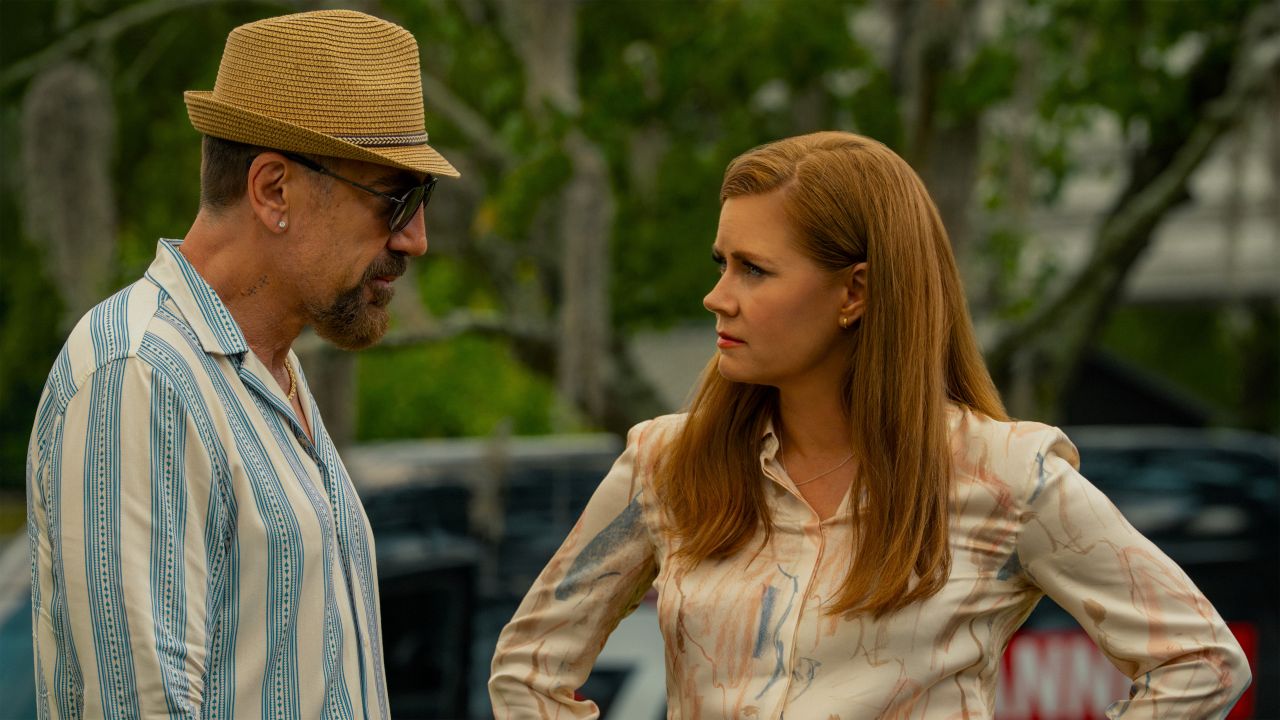
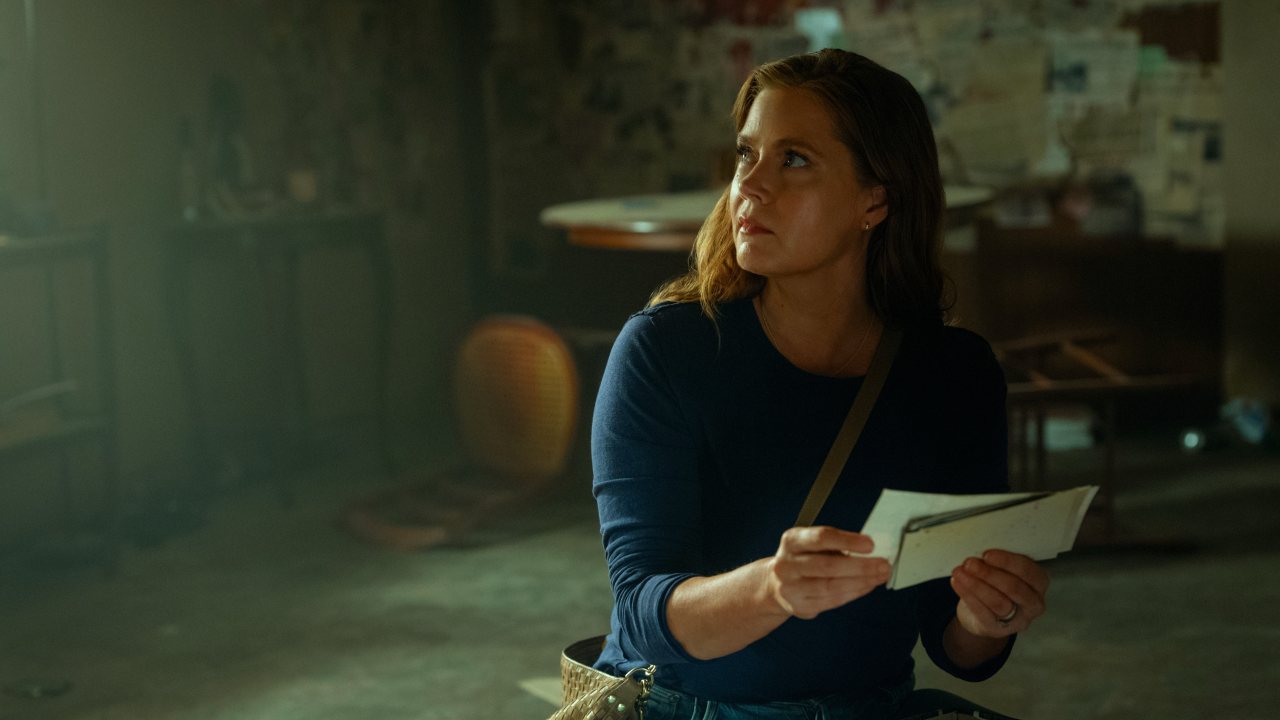
Amy Adams continues delivering the series' best performance. Anna has become such a compelling character because every episode seems to force her into another impossible moral position. Adams never plays her as completely innocent, but she also refuses to let Anna become defined by guilt. She's a woman trying desperately to hold together a family while privately wondering whether every terrible thing happening is somehow connected to decisions she made years ago. That's a fascinating emotional space to occupy.
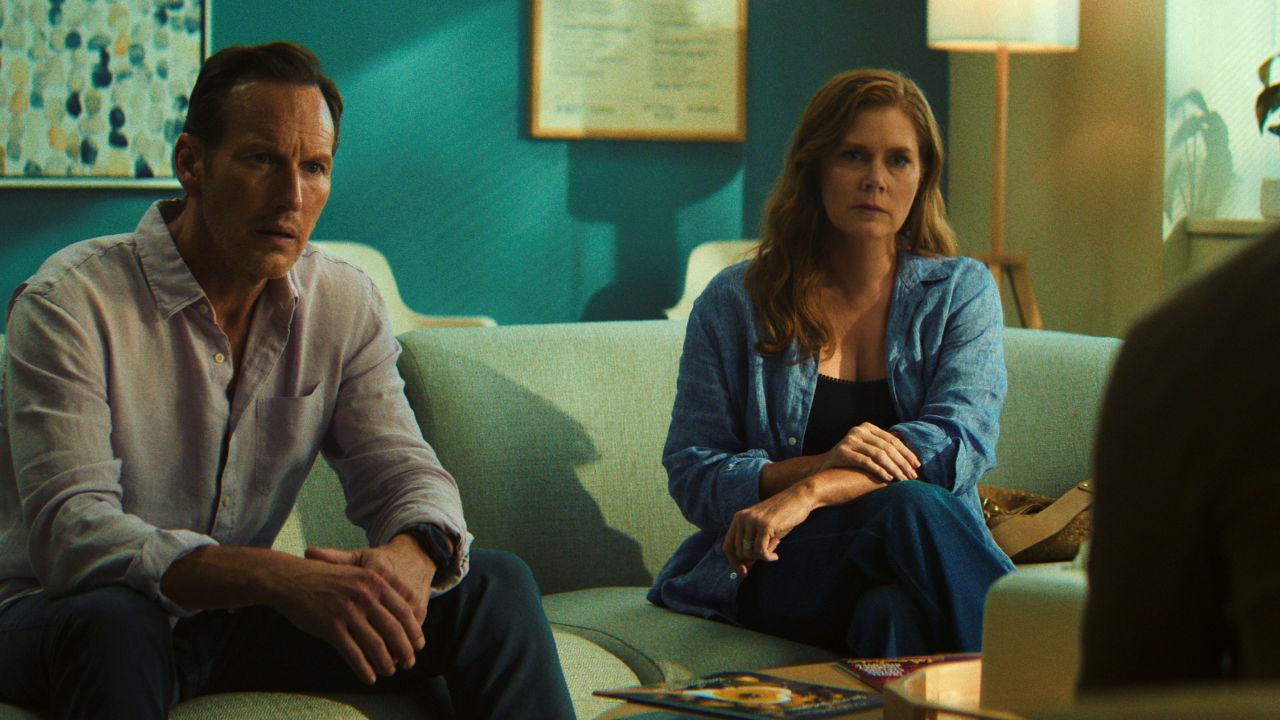
This episode particularly highlights Anna's growing isolation. Even when she's surrounded by her family, there's an unmistakable distance between them. Adams communicates that beautifully through restraint rather than dramatic outbursts. The exhaustion on her face says more than any monologue could.
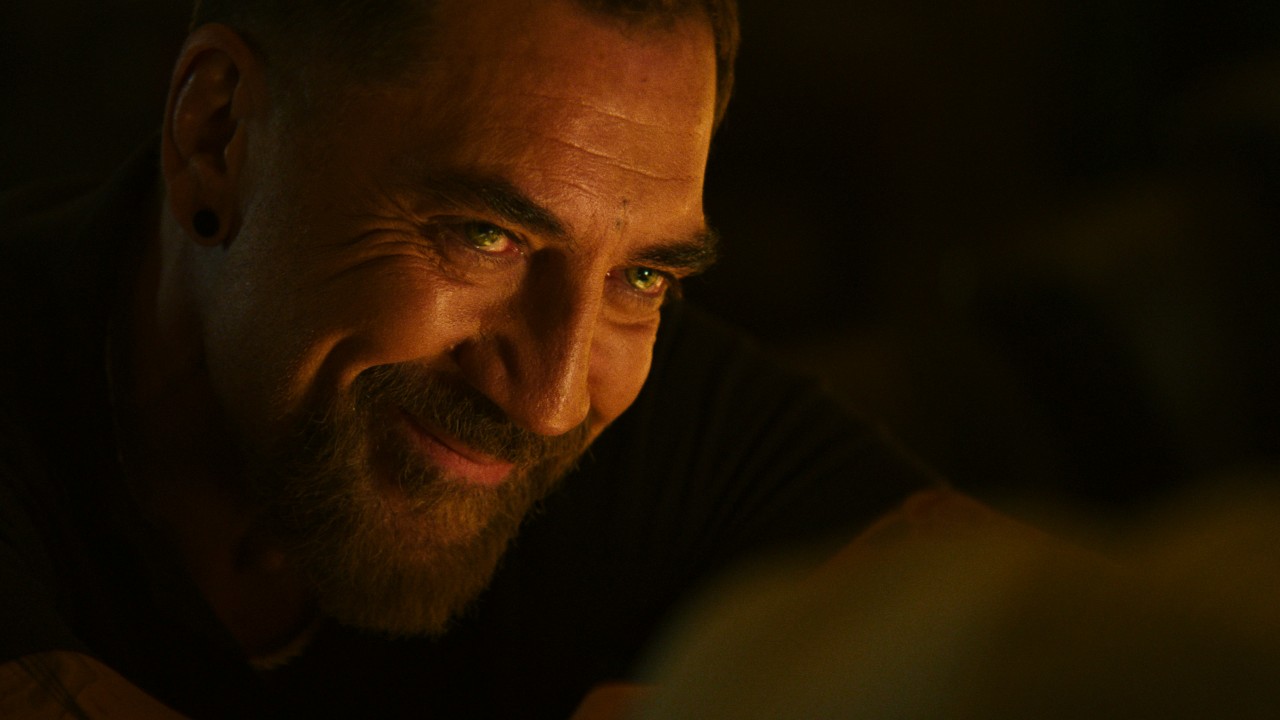
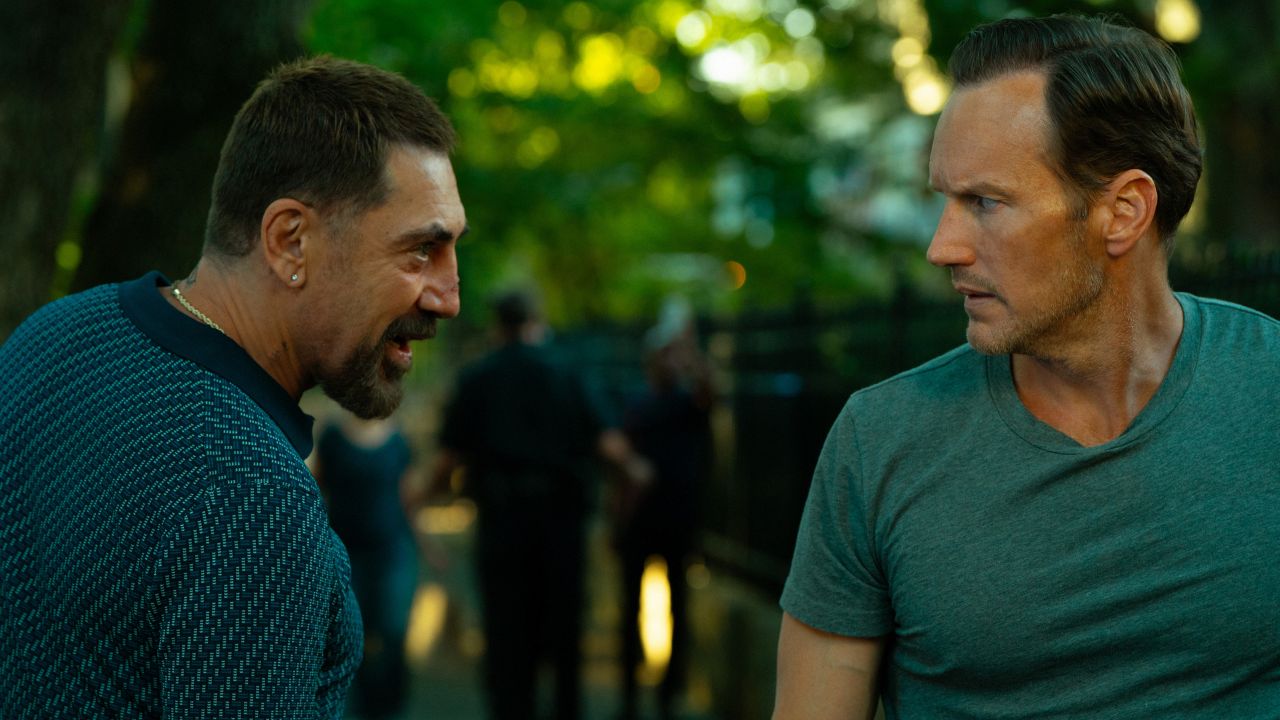
Javier Bardem remains extraordinary as Max Cady, largely because the show continues resisting the temptation to make him larger than life. Max is frightening precisely because he rarely behaves like a traditional television villain. He doesn't constantly announce his presence. He doesn't deliver theatrical speeches. Instead, he simply exists as a corrosive influence hanging over everyone else's lives.
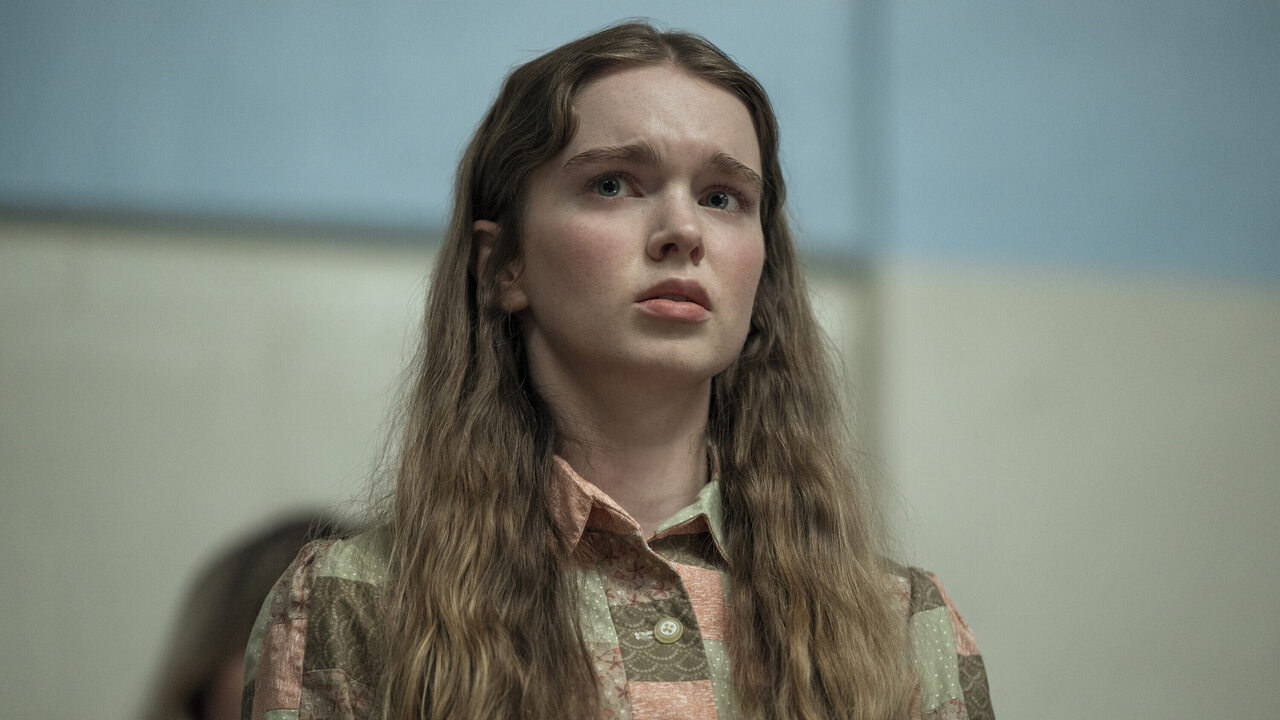
The series keeps reminding us that psychological terror often outlasts physical violence. Patrick Wilson also has one of his strongest episodes as Tom. Earlier in the season, Tom occasionally felt overshadowed by both Anna and Max, but "Possum" gives him more emotional complexity. He's trying to maintain some sense of normality for his family while increasingly realizing that normality no longer exists. Wilson plays that quiet panic exceptionally well. Lily Collias continues impressing as Natalie. Her storyline becomes increasingly significant here as she begins questioning the narrative she's grown up believing about both her family and herself. Rather than treating Natalie as a passive teenager caught in adult problems, the series allows her growing uncertainty to become one of the emotional engines of the episode.
The episode's title, "Possum," feels particularly fitting. Possums survive by playing dead, convincing predators they've stopped being a threat. Throughout the hour, nearly every major character adopts some version of that strategy. People avoid difficult conversations. They suppress uncomfortable truths. They convince themselves that staying quiet is the safest option. The series repeatedly asks whether survival and denial are actually the same thing. It's one of the strongest thematic threads of the season.
Visually, Cape Fear remains outstanding. The direction continues finding ways to make everyday suburban life feel deeply unsettling. The introduction of a new neighbor becomes threatening not because of anything overtly sinister, but because the audience has learned to distrust almost every new face entering the Bowdens' world. The show has trained us to become just as suspicious as its characters. That's remarkably effective storytelling.
The family trip is another highlight. Rather than functioning as an escape, it only magnifies the emotional distance between everyone involved. There's an uncomfortable irony in watching people search for peace while carrying all their unresolved fears with them. The series understands that changing locations doesn't erase psychological trauma.
If I have one criticism, it's that Cape Fear occasionally becomes so committed to ambiguity that it slows its own momentum. "Possum" is rich in atmosphere, subtext, and character development, but there were moments where I wanted one more significant narrative development before the credits rolled. The episode is clearly positioning pieces for the back half of the season, yet it occasionally feels more interested in arranging the chessboard than making the next move. That's not a fatal flaw. But it's becoming a pattern.
I also think the series sometimes risks making every interaction feel equally ominous. While the sustained tension is impressive, there are moments where a little more tonal variation might actually strengthen the suspense. When everything feels threatening, individual moments occasionally lose some of their impact. Fortunately, the performances ensure the emotional investment never fades. What impressed me most is how confidently the show continues shifting away from the familiar revenge-thriller structure. At this point, Cape Fear isn't really asking whether Max Cady will destroy the Bowdens. It's asking whether the Bowdens will destroy themselves before he has the chance. That's a much more interesting question.
By the end of "Possum," I wasn't primarily afraid of Max. I was afraid of what prolonged fear had already done to this family. Trust has eroded. Communication has collapsed. Every relationship is beginning to crack under the weight of secrets that nobody knows how to confront. The psychological damage is becoming irreversible.
Cape Fear episode six is another excellent slow-burn chapter that prioritizes psychological tension over spectacle. Amy Adams, Javier Bardem, Patrick Wilson, and Lily Collias continue delivering exceptional performances, while the writing deepens its exploration of fear, guilt, and the corrosive effects of secrecy. Although the deliberately measured pacing occasionally leaves the story feeling one revelation short of complete satisfaction, "Possum" succeeds because it understands that true suspense isn't about waiting for violence—it's about watching ordinary lives slowly come apart long before violence ever arrives.
Final Score - [7/10]
Hi Everyone, after a due consideration, we have decided that we will be open for donations to help us in managing our website. We will be greatful for any kind of amount we receive. Thanks!
— Midgard Times 🎬 (@Moviesr_net) January 4, 2026
PayPal- [email protected] pic.twitter.com/DlNNz5Npm5
Get all latest content delivered to your email a few times a month.
Bringing Pop Culture News from Every Realm, Get All the Latest Movie, TV News, Reviews & Trailers
Got Any questions? Drop an email to [email protected]


 © Copyrights MOVIESR.NET All rights reserved