


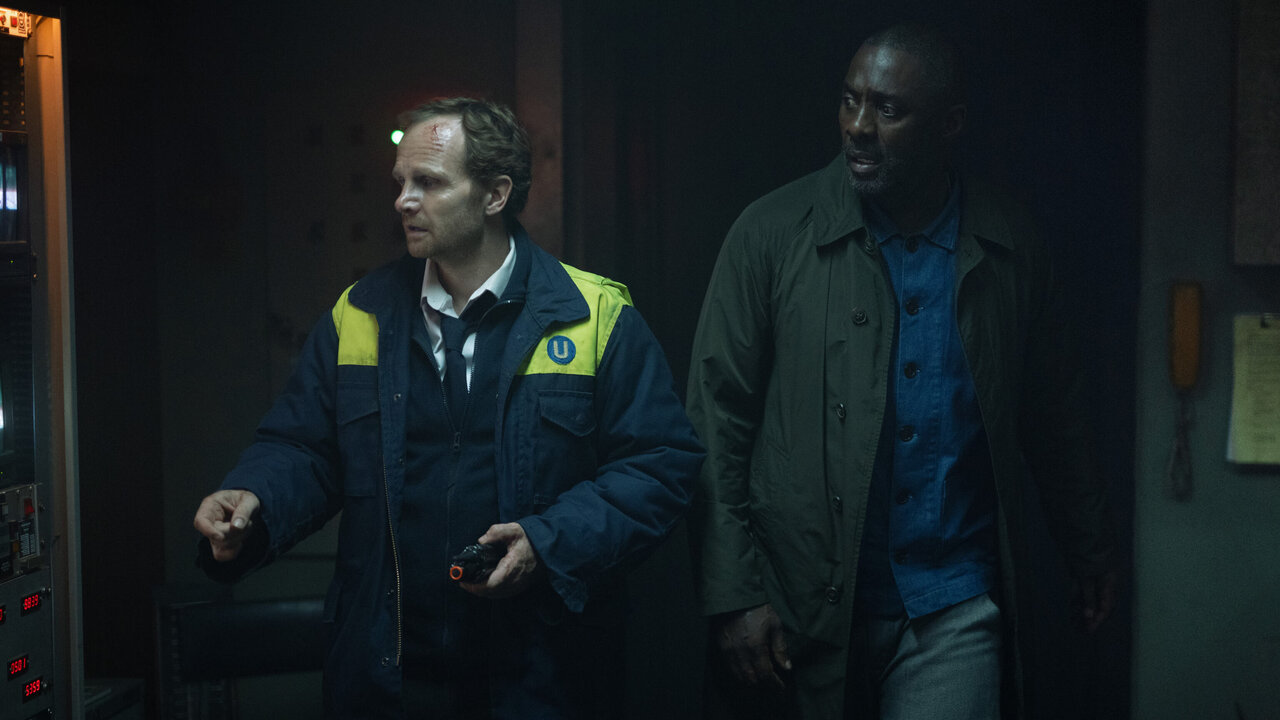
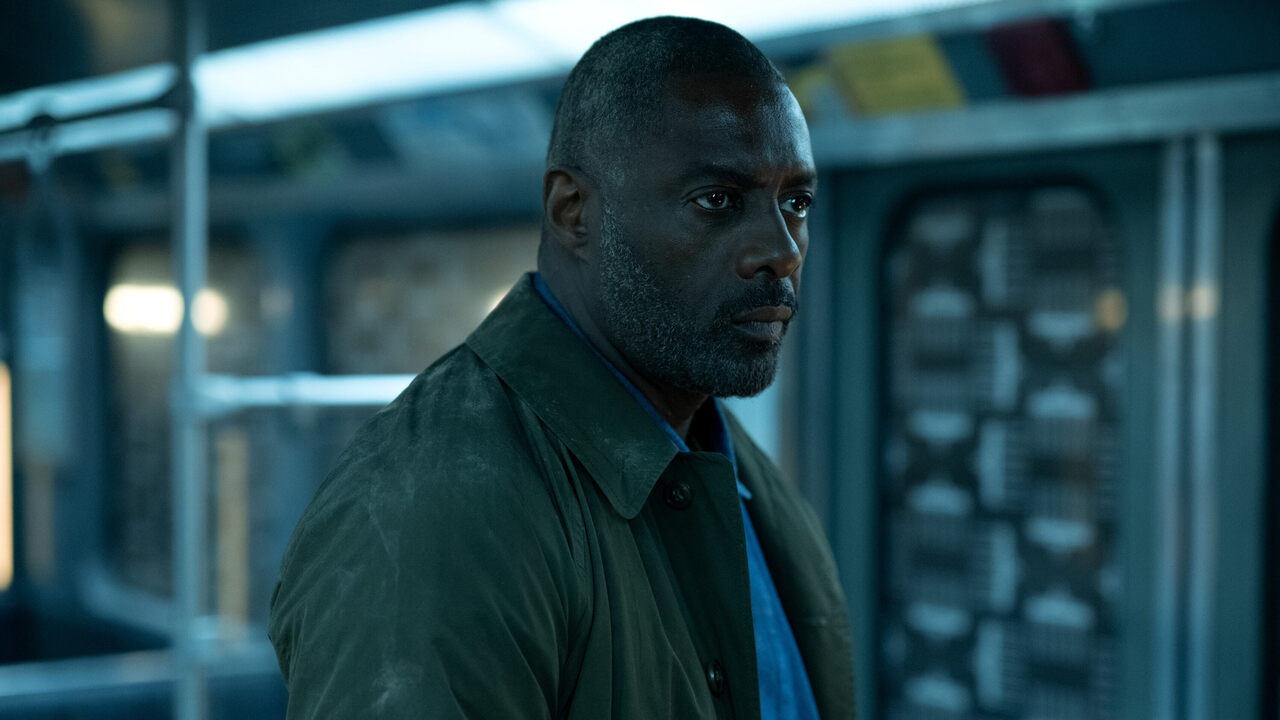
Watching Hijack Season 2 Episode 2, titled Control, feels like stepping into an escalating crisis that refuses to let the central character – or the viewer – relax. The episode picks up immediately from the jaw-dropping finale of the premiere, where Idris Elba’s Sam Nelson stunned everyone by declaring himself the hijacker of a crowded underground train. Here, in Control, we start to see the reasoning behind that declaration, even as the moment-to-moment action blends the meticulous procedural with emotional urgency. The sequence of events is paced deliberately but never drags: Sam establishes contact with the control center and makes his intentions clear, the rail authority scrambles to halt all traffic on the U5 line, and on board, the nervous conductor Otto is thrust into unaccustomed chaos. As Sam orders calm and asserts control, the show layers its tension through a mix of logistical obstacles and interpersonal strain. You can feel the claustrophobia of the metallic corridors, the confined train cars, and the micro-decisions that make or break this fraught situation.
Elba’s performance is once again the anchor of the series. Sam is a character who has endured trauma, carries obsessive focus, and is now navigating moral complexity in real time. The way Elba conveys Sam’s determination – tempered by a weariness that’s only hinted at rather than underlined – is compelling. His tactical mind is always on display, and in Control, we see him not just making demands but reading the room, anticipating both police moves and passenger reactions. Sam’s dynamic with Otto is particularly strong: Otto’s visible discomfort and bleeding forehead add a humanity to the chaos that prevents the episode from growing too abstract or distant. Their interactions have a rawness that highlights the stakes without needing melodrama.
On the writing front, Control does a fine job of balancing exposition with suspenseful set pieces. Instead of drowning viewers in off-screen briefings or contrived plot dumps, the script brings us along with Sam’s logic as he tries to gain leverage over police command. His demand – to locate John Bailey-Brown, a figure connected to the first season’s hijacking and the series’ broader mystery – is revealed methodically, which gives the episode a sense of purpose beyond shock value. We get more hints about Sam’s motivations, and some of the connective tissue between past trauma and present desperation comes into focus without feeling forced.
The cinematography and direction by Jim Field Smith continue to impress. The look of the control center, with its cool screens and tense operators, contrasts well with the gritty, dim tunnels and fluorescent lighting of the train stations. These visual contrasts help keep the eye engaged even during quieter stretches, and the blocking in tight spaces conveys urgency without resorting to frantic camera work. It’s a measured style that fits the show’s tone: intense, thoughtful, and deliberately paced.
That said, the episode isn’t without its flaws. One recurring issue is the plausibility of the central premise. Sam, a negotiator by trade, taking hostages on a train to leverage police action, stretches credibility even within the thriller genre. Moments of Sam’s logic occasionally feel like they were written to serve dramatic tension rather than arise organically from his established skill set. It’s a fine line to walk, and while the show mostly balances it, there were times I found myself questioning whether these moves truly align with this character’s fundamentals or whether they exist simply to ratchet suspense.
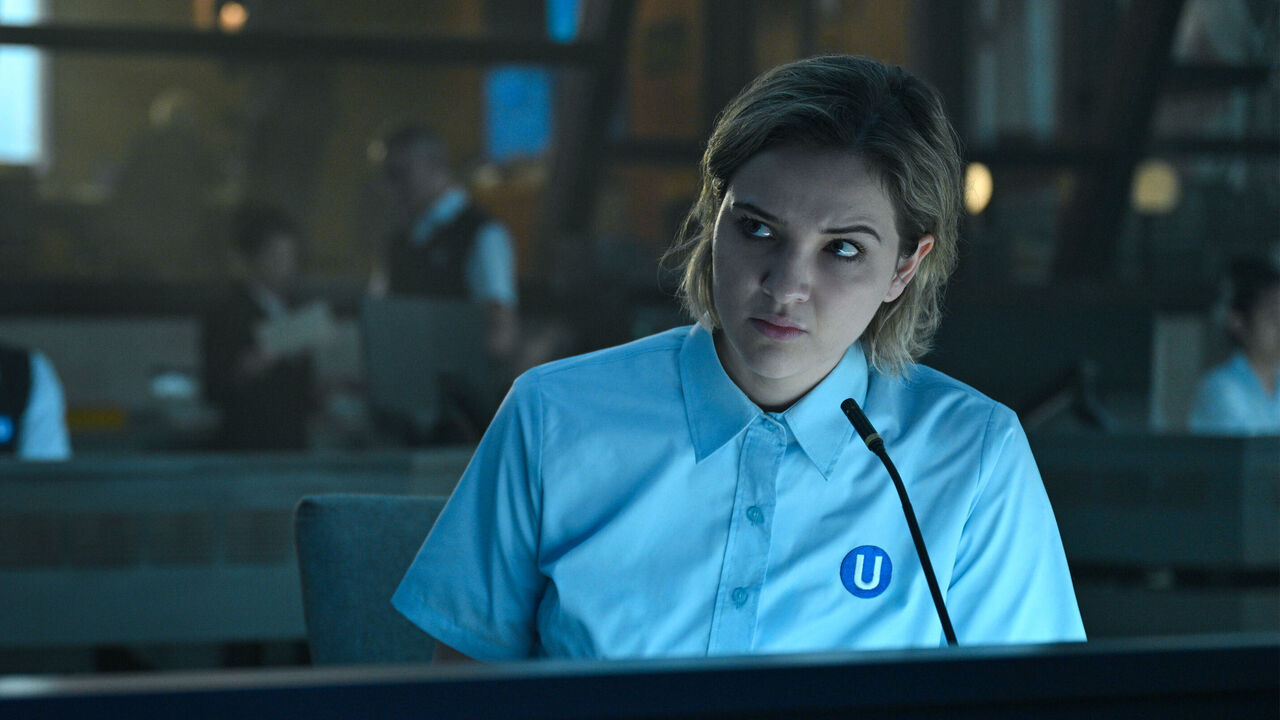
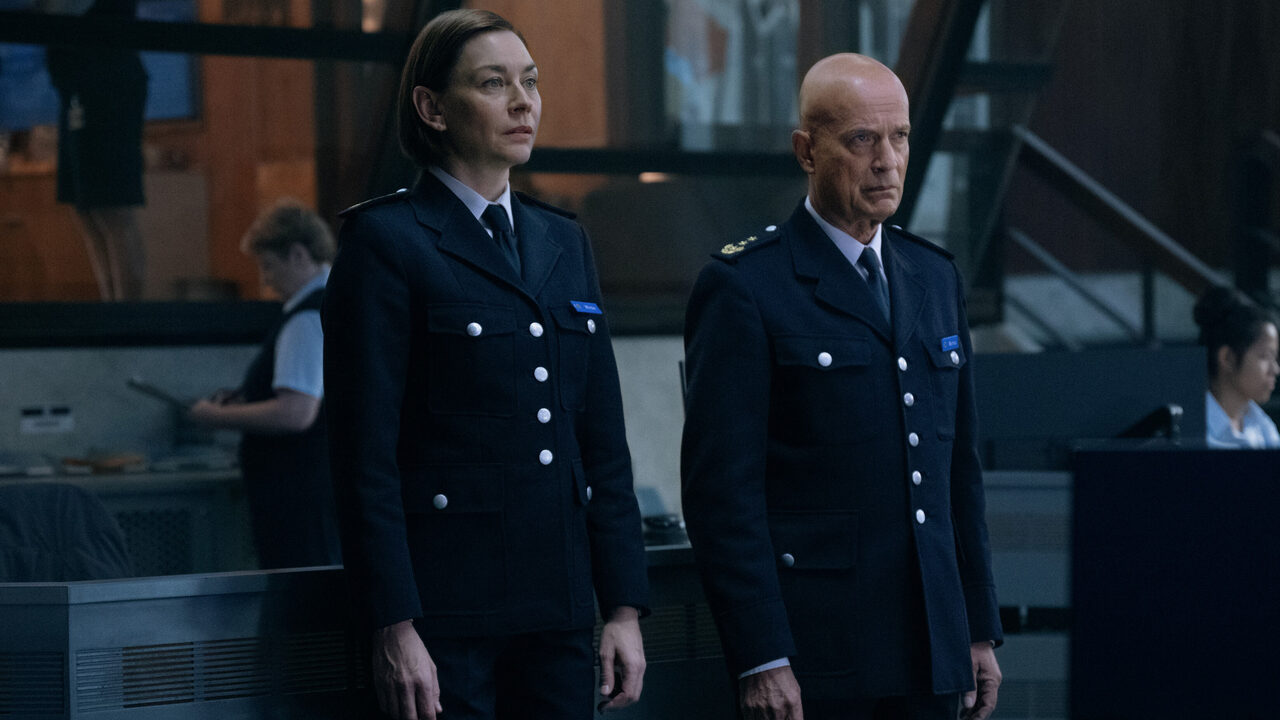
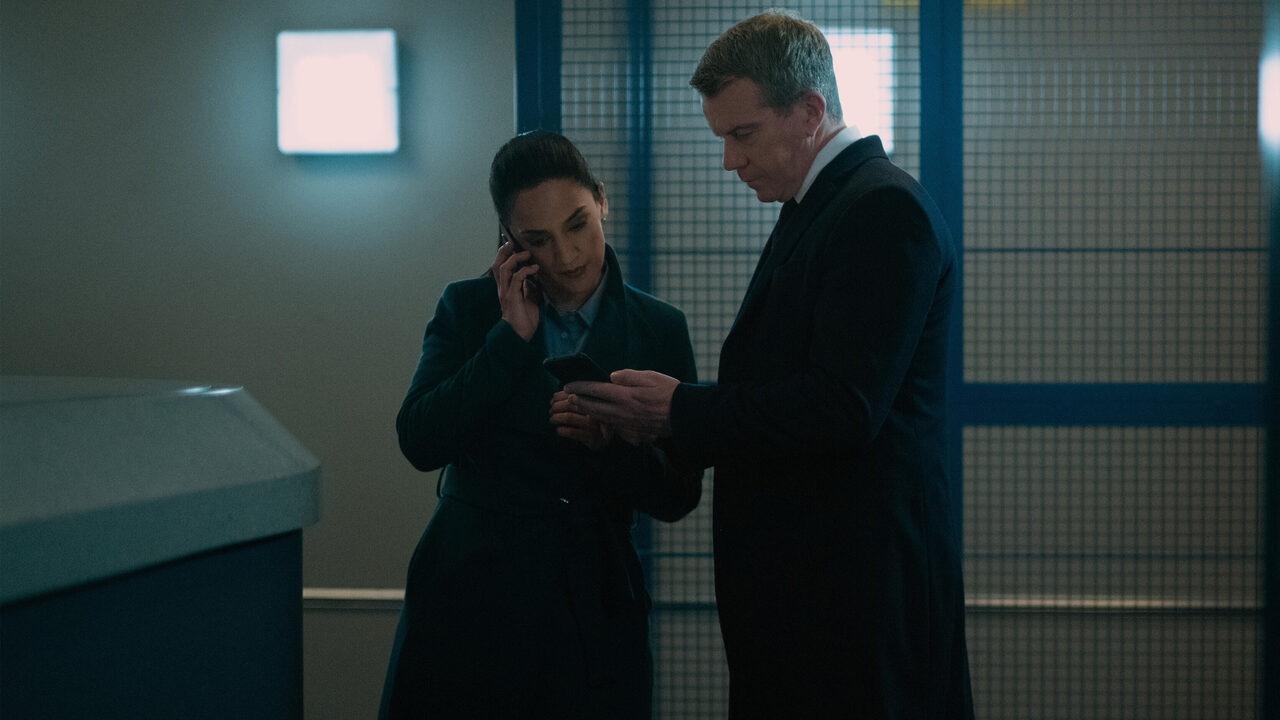
A few supporting characters also fall into the background rather too easily. Clara at the control center and the police chief Winter have moments of decision-making that matter, but the development around them could be deeper. With so much focus on Sam’s headspace and the mechanics of the hijacking, some of the ensemble members tend to feel underutilized. Clara, especially, is positioned as an important link between Sam and the authorities, but we learn modestly about her professional instincts and even less about her personal reaction to the crisis. With a tighter script, the episode could have fleshed out these secondary perspectives more richly, allowing for emotional beats beyond Sam’s trajectory.
Another minor criticism involves occasional tonal unevenness. There are beats where the show wants us to take the stakes as existential, and others where it slips into procedural predictability. Syncing those registers more consistently might have heightened the overall impact. Nevertheless, these are relatively small quibbles in a chapter that otherwise delivers the goods for fans of intricate thrillers.
What Control ultimately does well is maintain tension without feeling like it’s simply recycling the formula from Season 1. By making Sam the instigator rather than the resolver of danger, the narrative introduces fresh complications and invites us to reassess our assumptions about him. There’s a psychological layer here that’s intriguing: a protagonist we trusted now behaves in ways that make us uneasy but invested. That kind of complexity keeps the series from settling into rote action-thriller territory. The episode also teases broader connections and future twists without becoming opaque, a skillful balance that keeps curiosity alive as the season progresses.
In all, Control is a gripping continuation of the Berlin arc. It’s paced smartly, features strong performances – particularly from Elba, whose command of the material remains a standout – and unfolds its plot with intent. The issues around believability and underused supporting characters are noticeable, but they do not derail an otherwise riveting hour. For viewers willing to lean into the show’s evolving stakes and psychological nuance, this episode delivers both intrigue and tension in a way that makes the wait for the next installment worthwhile.
Final Score- [8/10]
Hi Everyone, after a due consideration, we have decided that we will be open for donations to help us in managing our website. We will be greatful for any kind of amount we receive. Thanks!
— Midgard Times 🎬 (@Moviesr_net) January 4, 2026
PayPal- [email protected] pic.twitter.com/DlNNz5Npm5
Get all latest content delivered to your email a few times a month.
Bringing Pop Culture News from Every Realm, Get All the Latest Movie, TV News, Reviews & Trailers
Got Any questions? Drop an email to [email protected]



 © Copyrights MOVIESR.NET All rights reserved