


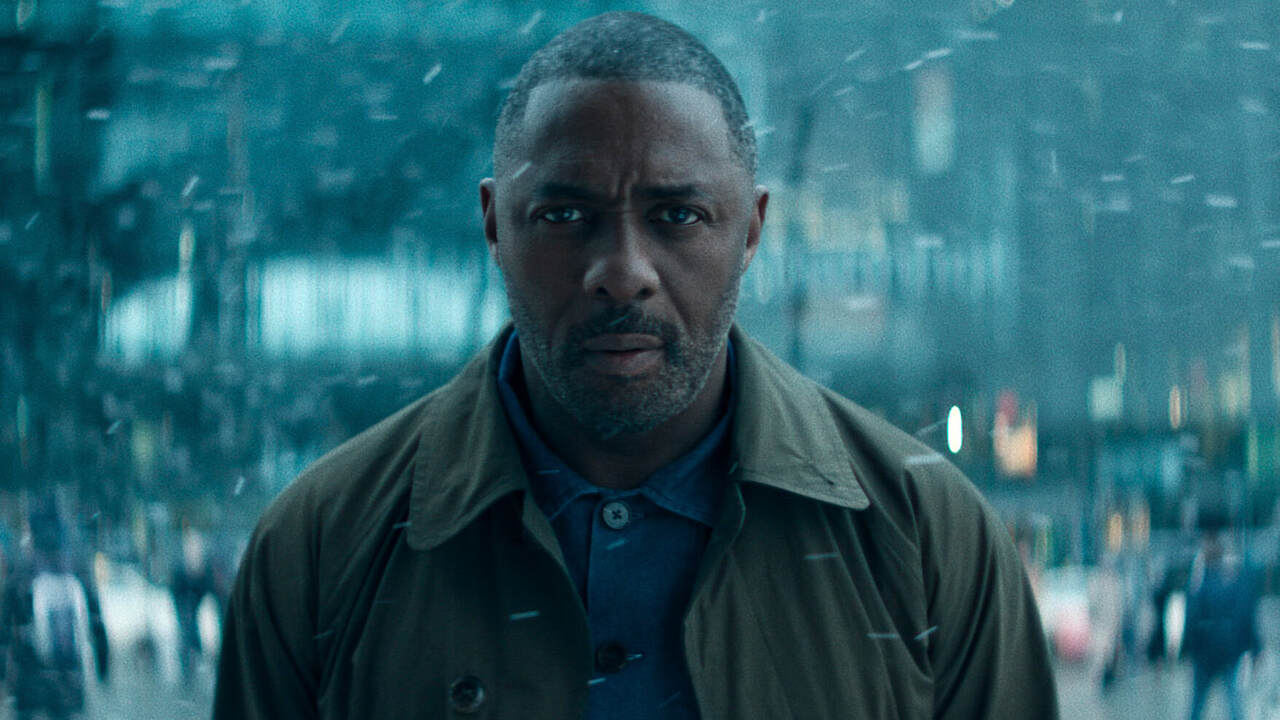
Watching Hijack Season 2 feels like stepping back into a world where every moment counts, and where the pulse of tension is rarely allowed to slacken. Once again led by Idris Elba as Sam Nelson, this chapter shifts the battleground from the skies to subterranean rails, and most of the time it delivers exactly what fans of smart, character-driven thrillers hope for: gripping sequences, layered performances, and a writing team that respects the intelligence of its audience. At its best, it reminded me why I was drawn to the original season’s real-time format, and yet it is not afraid to reframe the dramatic stakes in a fresh setting. There are small missteps along the way, but these rarely overshadow what is mostly a compelling expansion of Sam’s world.
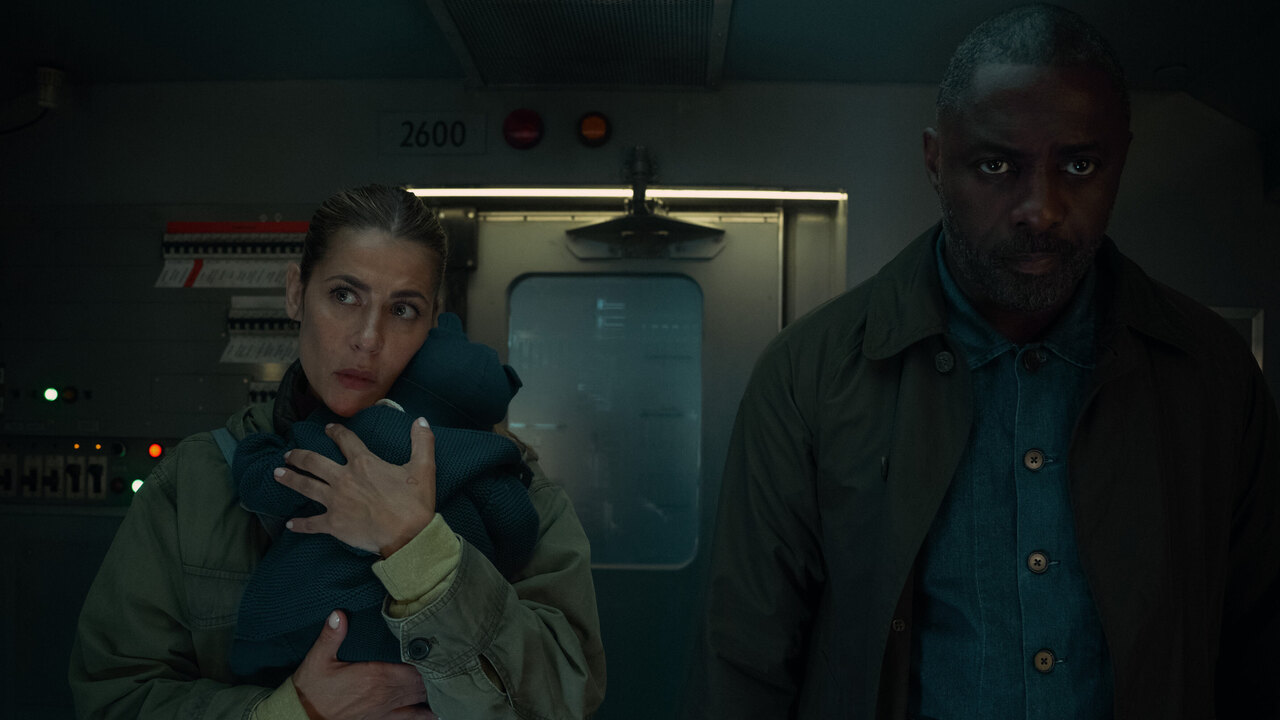
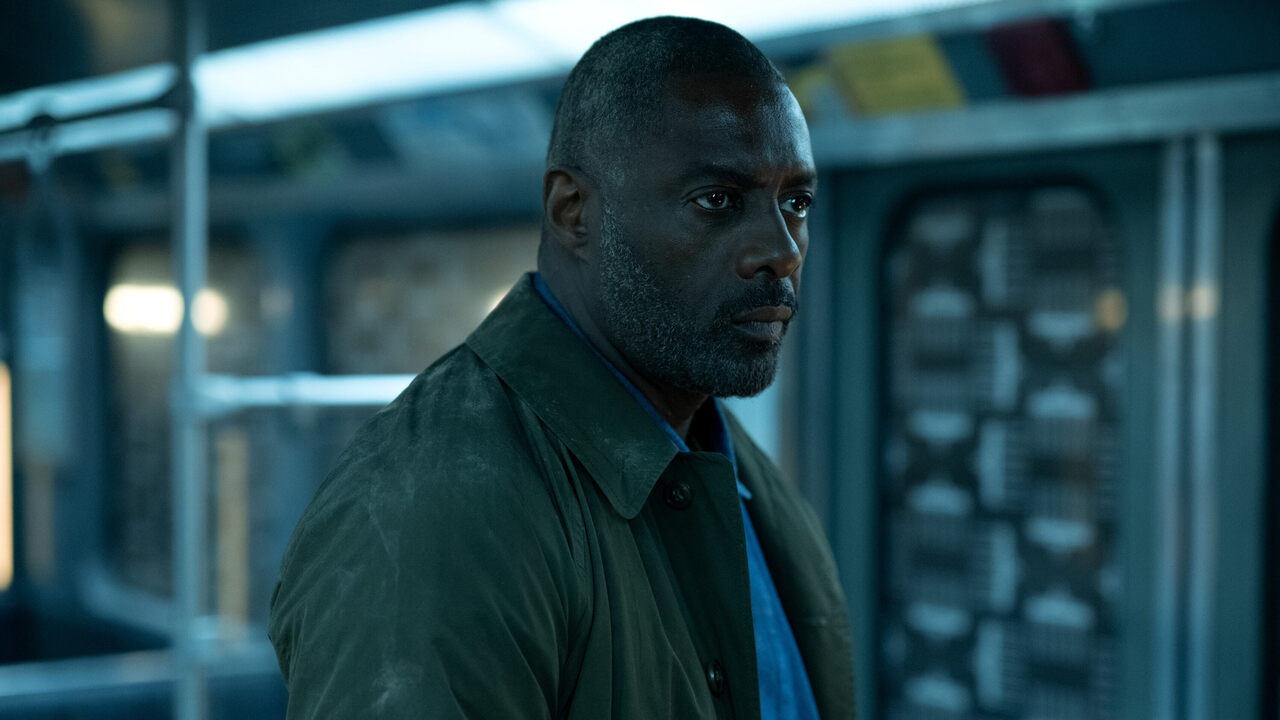
From the moment season two begins, the stakes are set not just by the obvious physical peril of a train full of hostages, but by the emotional stakes that Sam carries with him. The story makes it clear early on that this is not a simple retread of the previous season’s formula — the transit environment is more claustrophobic in a different way than an airplane, the panic of commuters is immediate and raw, and the logistics of law enforcement above ground create a multi-layered puzzle for viewers to engage with. Sam’s presence in this crisis is complicated; he is not simply another good guy trying to talk down bad guys, but a man whose past actions and unresolved grief ripple through his choices here. Elba’s performance, as always, is a major anchor. His ability to convey tension without resorting to theatrics keeps Sam believable even when the plot pushes him into extreme situations. It is the kind of grounded performance that makes high-concept material feel personal and immediate.
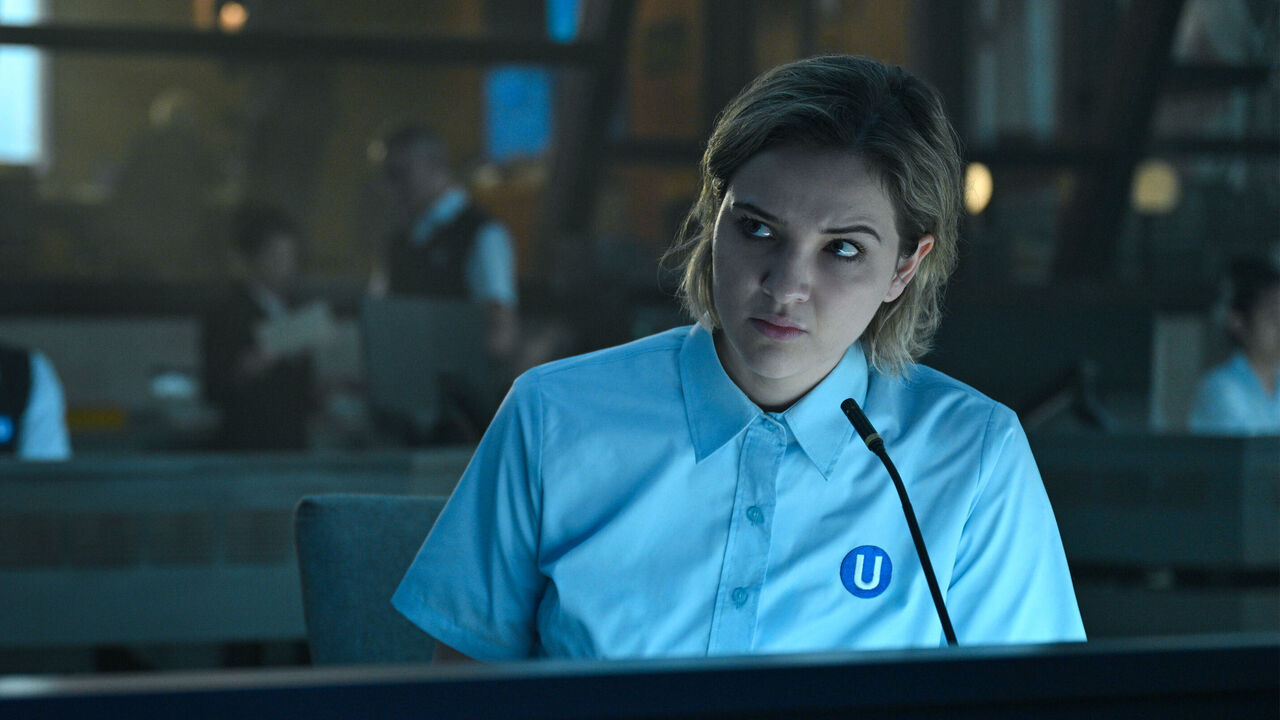
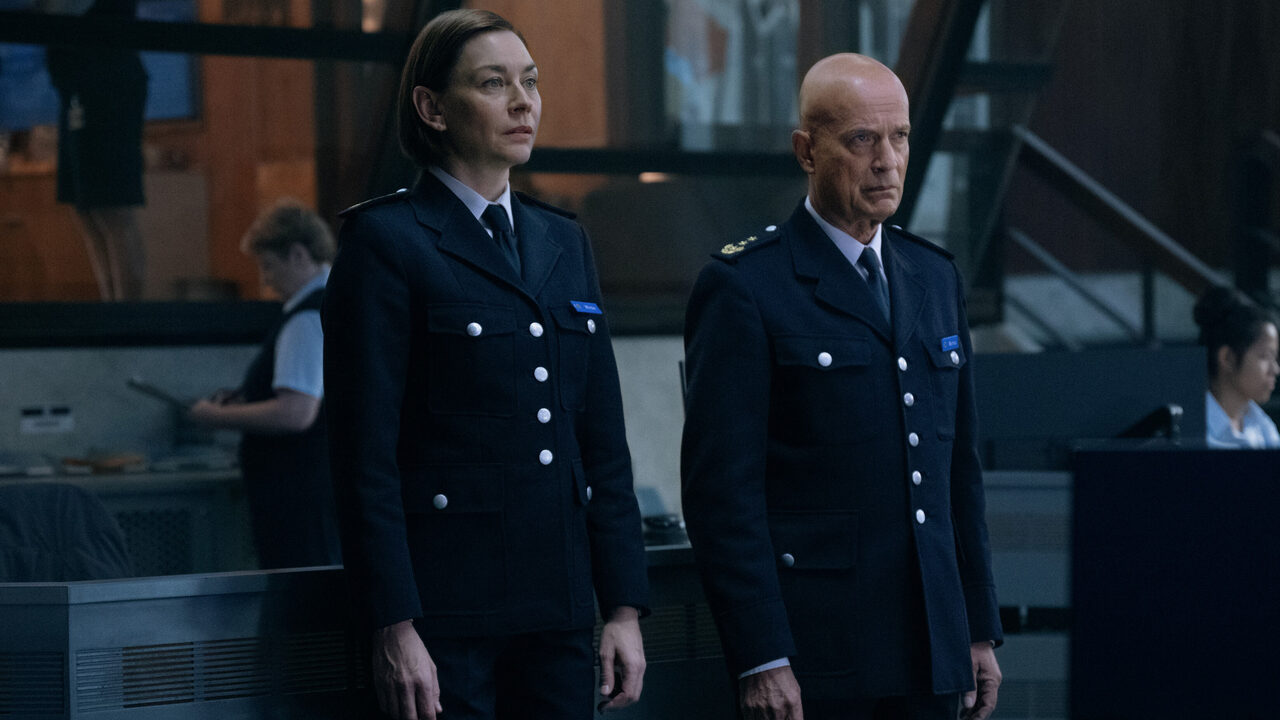
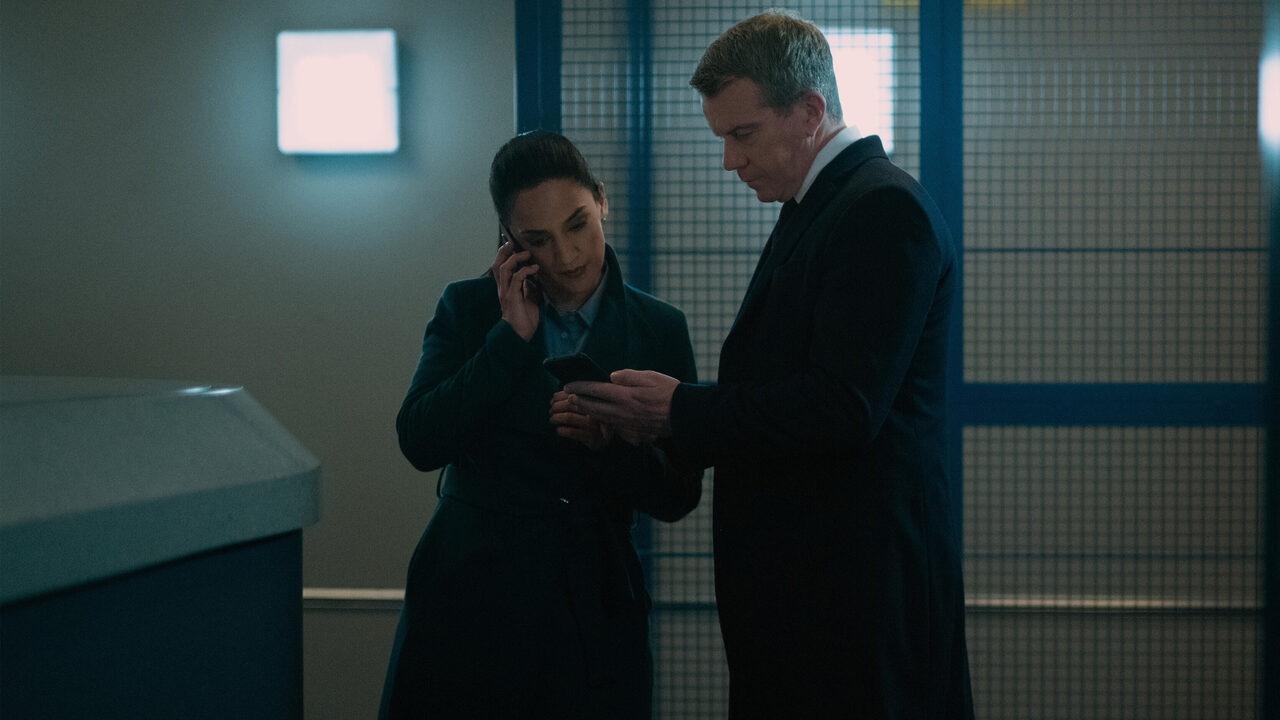
The writing, led again by George Kay and Jim Field Smith, generally respects the audience’s ability to follow complex beats without excessive exposition. Layering in a sense of urgency through the pacing of scenes and Sam’s tactical problem-solving, the series often pulls you forward with genuine curiosity about what will unfold next. Some of the supporting cast — including a mix of new faces and returning ones like Christine Adams and Max Beesley — rise to the occasion, adding texture to the confined but diverse ensemble of characters trapped on the train and in the control rooms. The dynamic among the authorities above and the chaos below is particularly engaging because it reflects how hostages and negotiators alike can be subject to misinformation, fear, and the fog of crisis.
Cinematography and production design deserve credit. The contrast between the dim tunnels and the frenetic bustle of the train cars is captured in a way that heightens immersion. Visual pacing is tight; directors repeatedly use camera movement and shot composition to bring you directly into the confined spaces where players are forced to make life-and-death decisions. These are not just stylistic choices but functional ones that help build empathy for individuals whose stories might otherwise be lost in the larger plot mechanics.
That said, there are moments where Hijack Season 2 feels like it leans too heavily on familiar beats from the original season and from the thriller genre more broadly. Some of the twists are telegraphed a bit too early, and a few scenes that are meant to raise alarms end up feeling predictable rather than shocking. In particular, when the narrative pivots to reveal hidden motivations or unexpected alliances, it occasionally does so in ways that seem engineered rather than organic to character behavior. This is a small flaw in a show that otherwise strives to keep tension palpable, but it does dilute the impact of some of the more dramatic turns. At times, the rhythm slows in places where it should be accelerating, making certain episodes feel longer than their immediate stakes would warrant.
Another weakness lies in the underdevelopment of some supporting characters. While Sam’s arc is tense and nuanced, not every player in this layered hostage scenario receives the depth they deserve. A few storylines — especially those off the train — hover on the surface instead of integrating fully into the emotional heart of the crisis. As a result, these threads can feel tacked on, adding minutes to the runtime without significantly enhancing the narrative. A tighter focus on the strongest elements could have sharpened the overall impact.
Despite these quibbles, the series maintains a compelling sense of urgency and sharp dramatic pacing through most of its eight episodes. What distinguishes this season from many other thrillers on television is its commitment to character even amid high-stakes action. You are not just watching someone dodge bullets or outwit criminals; you are watching a flawed human being confront their limits, reassess their values, and struggle with choices that matter both to them and to the passengers whose lives are in their hands.
One of the show’s quieter achievements is how it handles the psychological toll of crisis. Sam’s tactical mindset is still central — he thinks, analyzes, and recalibrates in real time — but some moments reveal the strain beneath the calm exterior. These glimpses into his internal life make the series more than just a sequence of set pieces; they give it soul. There are sequences where the tension is not just about whether the train will be stopped, but about whether Sam will succeed in reconciling the pieces of himself that have been fractured over the course of the two seasons.
In conclusion, Hijack Season 2 stands as a satisfying continuation of a series that thrives on pressure and nuance. While a handful of scenes rely on genre conventions or introduce characters that don’t quite resonate, these issues are minor compared to the overall solidity of the storytelling and the strength of the performances. Idris Elba anchors a show that is as much about negotiation and human connection as it is about bullets and barricades. For viewers who enjoy intelligent thrillers that balance action with character, this season offers an engrossing journey that rarely lets the tension sag, even as it explores deeper emotional and narrative territory than the original. It is not without flaws, but those flaws do not diminish the overall experience of a well-crafted, engaging series that knows how to make time feel like a ticking clock.
Final Score- [8/10]
Reviewed by - Anjali Sharma
Follow @AnjaliS54769166 on Twitter
Publisher at Midgard Times
Hi Everyone, after a due consideration, we have decided that we will be open for donations to help us in managing our website. We will be greatful for any kind of amount we receive. Thanks!
— Midgard Times 🎬 (@Moviesr_net) January 4, 2026
PayPal- [email protected] pic.twitter.com/DlNNz5Npm5
Get all latest content delivered to your email a few times a month.
Bringing Pop Culture News from Every Realm, Get All the Latest Movie, TV News, Reviews & Trailers
Got Any questions? Drop an email to [email protected]



 © Copyrights MOVIESR.NET All rights reserved