



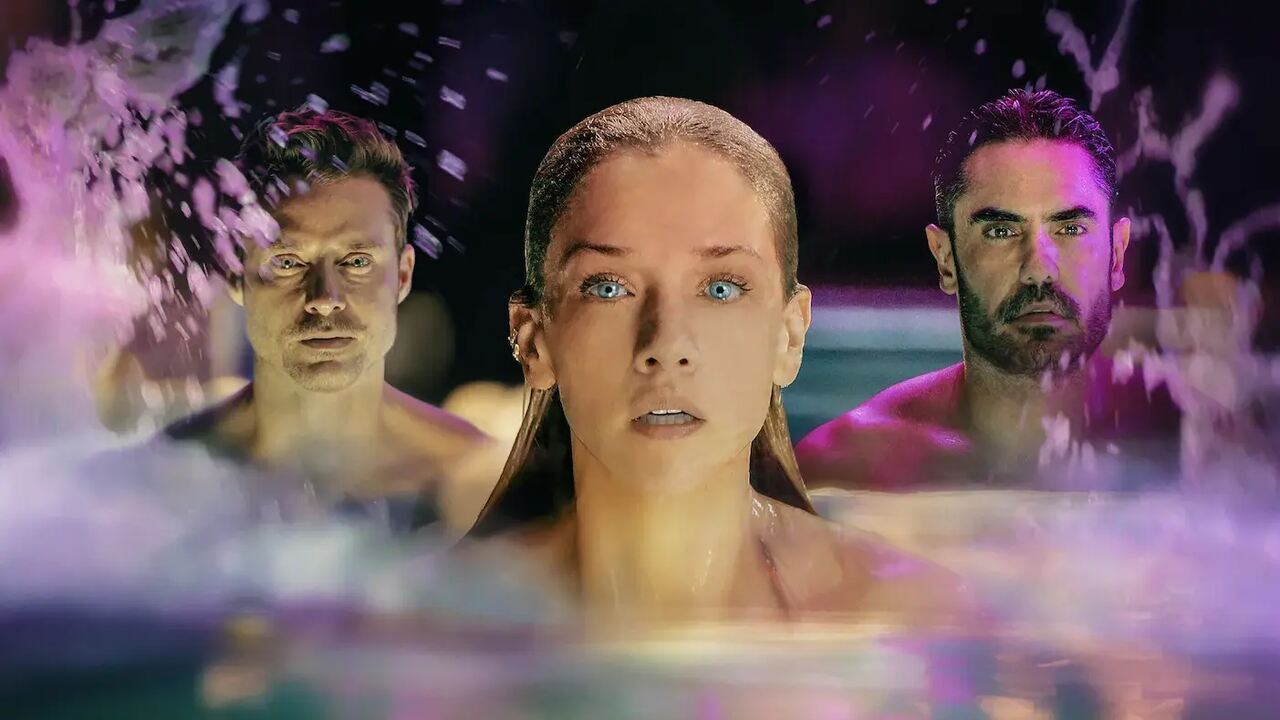
I approached Fake Profile Season 3 with a mix of curiosity and caution because this show has always thrived on excess emotion, excess twists, excess desire, and there’s always a risk that by the third outing, that formula starts to feel repetitive. Instead, what I found was a season that doubles down on its chaos but also sharpens its intent. It still operates in that heightened, seductive space the series is known for, but there’s a noticeable effort to ground the consequences in something more psychologically real.
By now, the central premise is well established. Camila’s initial fantasy collapsed into a nightmare built on lies, hidden identities, and manipulation. Season 2 escalated things into darker territory with identity misuse and deadly setups, and this final season picks up with that lingering instability still very much alive. No one has truly recovered. Trust isn’t just broken; it feels like a concept the show actively dismantles.
What immediately works in Season 3 is how it treats its characters as people shaped by damage rather than just participants in a thriller. Camila, in particular, is no longer reacting; she’s anticipating, calculating, and sometimes making choices that are just as morally questionable as the ones that hurt her. I appreciated that shift. It gives her agency, but it also complicates how we view her. She’s not framed as a victim anymore; she’s part of the system the show is critiquing.
Miguel’s arc remains one of the most compelling aspects of the series. His duality has always driven the narrative, and Season 3 leans fully into that tension. There are moments where he seems almost sincere, followed immediately by behavior that reminds you why he can’t be trusted. That push and pull never gets old because the performance sells it with restraint rather than exaggeration.
The supporting characters add layers, even when the writing doesn’t always give them equal depth. Ángela continues to be one of the most unsettling presences, not because she’s overtly dramatic, but because her obsession feels methodical. There’s a quiet intensity to her actions this season that makes her more threatening than before. At the same time, a few newer characters feel underdeveloped, introduced more as plot devices than as fully formed individuals. They serve their purpose, but I rarely feel invested in their outcomes.
The storytelling this season is tighter in structure, especially compared to the sometimes scattered pacing of earlier episodes in the series. The narrative builds with intention, layering revelations rather than throwing them out purely for shock value. Twists are still a major part of the experience, but they’re more connected to character decisions, which makes them land with greater impact. When something unexpected happens, it usually feels earned.
That said, the show hasn’t entirely moved away from its tendency to overindulge. There are still moments where the drama tips into excess, where a scene could have been more effective if it had trusted subtlety instead of escalation. A few confrontations feel extended just for intensity rather than narrative necessity, and I found myself wanting the show to pull back slightly instead of pushing every emotion to its limit.
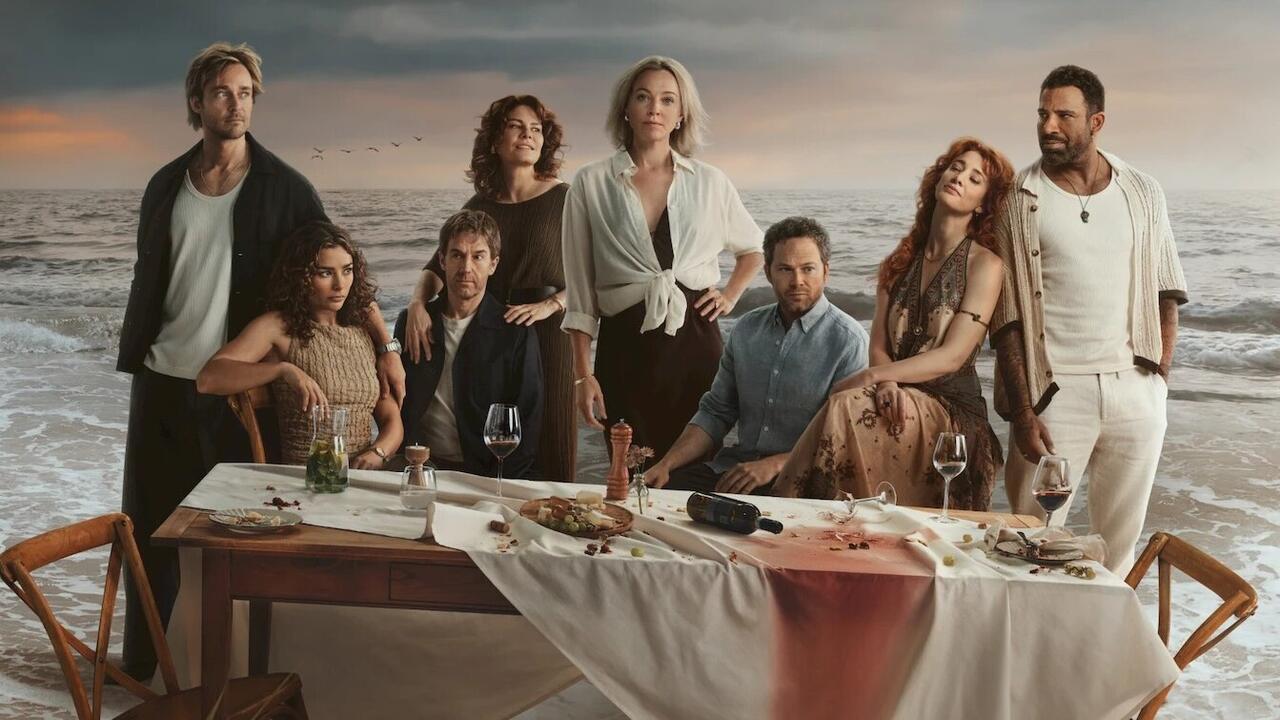
Visually, the series maintains its polished aesthetic. The setting continues to play a key role, with its mix of luxury and isolation reinforcing the idea of a “false paradise” that looks perfect on the surface but hides something darker underneath. The cinematography favors clean compositions and controlled lighting, often contrasting warm, inviting environments with the coldness of the characters’ intentions. It’s effective without being distracting.
One of the most interesting shifts this season is how it handles tension. Earlier seasons relied heavily on shock and surprise, but here, the tension is more sustained. You often know something is about to go wrong; the suspense comes from waiting to see how and when it happens. That approach creates a different kind of engagement, less about immediate payoff, more about anticipation.
The pacing, however, isn’t flawless. The middle episodes slow down noticeably, revisiting certain emotional conflicts multiple times without adding much new insight. While this does reinforce the cyclical nature of toxic relationships, it also risks losing momentum. I found myself more invested in the beginning and end of the season, where the narrative feels more focused and purposeful.
Where the season truly succeeds is in its ending. As the confirmed final chapter of the series, it has the responsibility of providing closure, and it does so in a way that feels consistent with the show’s tone. Not everything is resolved neatly, but the major arcs reach conclusions that feel earned. There’s a sense that the characters are finally confronting the reality of their choices, even if that confrontation doesn’t lead to redemption.
If there’s a lingering critique, it’s that the show still relies heavily on miscommunication and secrecy as primary drivers of conflict. While that’s central to its premise, there are moments where a more direct approach to storytelling could have added freshness. The constant withholding of information, while effective, occasionally feels like a familiar trick rather than a deliberate narrative choice. Watching Fake Profile Season 3, I felt like the series finally understood its own strengths. It’s not trying to be subtle or restrained, but it’s more aware of what makes that approach work. The characters feel more grounded, the stakes feel more personal, and the drama, while still intense, is better anchored in motivation.
By the final episode, what stayed with me wasn’t just the twists or the betrayals, but the cumulative effect of all those choices. The show doesn’t just ask who is lying, it asks why people keep choosing situations where lying becomes inevitable. That question lingers in a way that earlier seasons didn’t quite manage. It’s still messy, still dramatic, still occasionally excessive, but it’s also more focused, more thoughtful, and ultimately more satisfying as a conclusion.
Final Score- [7/10]
Reviewed by - Anjali Sharma
Follow @AnjaliS54769166 on Twitter
Publisher at Midgard Times

Hi Everyone, after a due consideration, we have decided that we will be open for donations to help us in managing our website. We will be greatful for any kind of amount we receive. Thanks!
— Midgard Times 🎬 (@Moviesr_net) January 4, 2026
PayPal- [email protected] pic.twitter.com/DlNNz5Npm5
Get all latest content delivered to your email a few times a month.
Bringing Pop Culture News from Every Realm, Get All the Latest Movie, TV News, Reviews & Trailers
Got Any questions? Drop an email to [email protected]

 © Copyrights MOVIESR.NET All rights reserved