



I have seen many romantic dramas in my life. I have seen characters refuse to have a five-minute conversation that would immediately solve the entire plot. But Your Fault: London approaches all of these things with such relentless dedication that it almost feels like a parody of the genre. Unfortunately, it is very sincere.
The first My Fault: London wasn't exactly a masterpiece, but it understood one important thing: ridiculous chemistry can compensate for a lot of nonsense. It was melodramatic, messy, and often completely absurd, but there was at least some energy holding everything together. Your Fault: London takes that formula and asks a dangerous question: "What if we removed most of the fun and replaced it with misunderstandings?" The answer, it turns out, is a surprisingly exhausting movie.
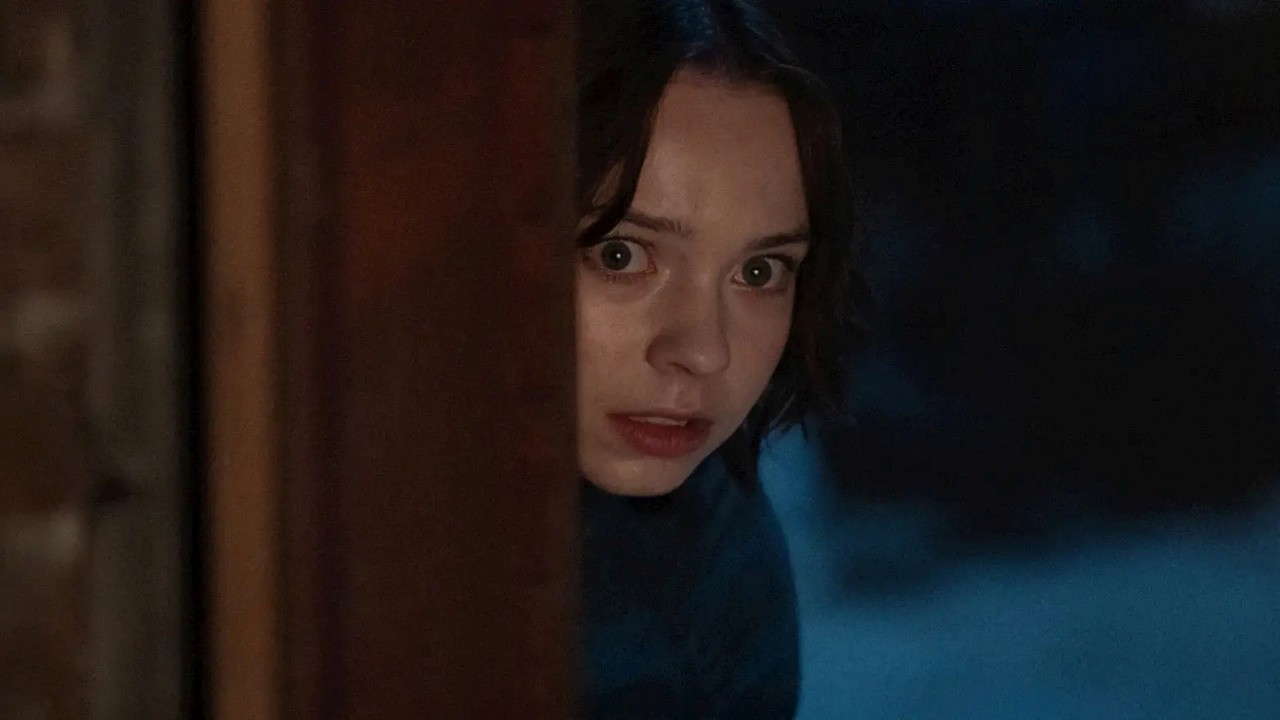
Asha Banks returns as Noah, and Matthew Broome returns as Nick, and honestly, I feel bad for both of them. They spend much of the film trapped inside a screenplay that appears to believe healthy communication is a war crime. Every time these two get within touching distance of resolving a problem, the movie introduces another attractive person, another misunderstanding, another secret, another coincidence, or another reason for everyone involved to start acting as if they've never met another human being before. At one point, I genuinely started rooting for Oxford University. Not because I cared about Noah's education. Because it seemed like the only institution in the film attempting to make sensible decisions.
The plot largely revolves around Noah and Nick trying to maintain their relationship while living increasingly separate lives. Noah has Oxford. Nick has work responsibilities. New people arrive. Jealousy appears. Insecurity appears. More jealousy appears. Then some additional jealousy arrives just in case the first jealousy wasn't working hard enough. The movie treats every new character like a walking relationship test. A strong gust of wind could enter and probably become a relationship threat by the third act.
The biggest issue is that the film mistakes constant conflict for compelling storytelling. Characters are rarely allowed to be happy for longer than seven consecutive minutes. The moment a scene starts developing genuine emotional momentum, the screenplay panics and throws another misunderstanding through the nearest window. It's like watching two people attempt to assemble furniture while an unseen writer repeatedly steals the instruction manual.
The chemistry between Banks and Broome still exists. That's important because the movie is asking those two actors to carry approximately ninety percent of its emotional weight. They do their best. There are moments where they successfully remind you why Noah and Nick became popular in the first place. Then the script arrives with another crisis. Eventually, the relationship starts to feel less like a romance and more like a customer service complaint that never gets resolved.
Visually, the film is perfectly fine. The locations are attractive. The cast is attractive. The lighting is attractive. Everybody appears to be living inside a luxury perfume advertisement. Unfortunately, beautiful people standing in beautiful places eventually lose their impact when they're all behaving like emotional hostages. The Oxford setting had so much potential.
You have one of the most famous universities in the world available as a backdrop, and the movie mostly uses it as an expensive location for relationship anxiety. It's the cinematic equivalent of buying a Ferrari to drive exclusively through supermarket parking lots. The pacing is another problem. The movie somehow feels rushed and repetitive simultaneously. Major emotional developments happen with almost no breathing room, yet the central conflicts keep repeating themselves. Characters learn lessons and immediately forget them. Trust is broken and repaired so many times that eventually trust starts feeling like a subscription service.
The supporting characters don't help much either. Most of them function less like actual people and more like narrative devices generated by an algorithm called "Things That Make Couples Argue." Some are charming. Some are entertaining. None are particularly subtle. The funniest part is that the film treats every emotional development with life-or-death seriousness. Somebody glances at the wrong person, and the music responds as international peace negotiations have collapsed. Somebody leaves a conversation unresolved, and the atmosphere suggests civilization may not recover. The soundtrack deserves an award for effort.
What frustrates me most is that there is a decent movie buried underneath all this chaos. Noah and Nick's transition into adulthood could have been genuinely interesting. Long-distance relationships, personal growth, independence, career ambitions, and changing priorities are all compelling topics. Instead, the film often takes the most dramatic route available and then somehow finds an even more dramatic detour. By the final act, I wasn't wondering whether Noah and Nick would stay together. I was wondering whether either of them had considered therapy. Or perhaps a notebook. Anything capable of improving communication.
Your Fault: London isn't aggressively terrible. It's simply exhausting. Asha Banks and Matthew Broome remain likable leads, and there are occasional glimpses of the romantic drama this sequel could have been. Unfortunately, those moments are buried beneath repetitive conflicts, endless misunderstandings, underdeveloped supporting characters, and a screenplay that treats emotional maturity like an optional side quest. The result is a film that constantly mistakes chaos for passion and volume for intensity. It's glossy, attractive, and professionally made, but it often feels less like a love story and more like two hours of preventable problems.
Final Score- [4.5/10]
Reviewed by - Anjali Sharma
Follow @AnjaliS54769166 on Twitter
Publisher at Midgard Times




Hi Everyone, after a due consideration, we have decided that we will be open for donations to help us in managing our website. We will be greatful for any kind of amount we receive. Thanks!
— Midgard Times 🎬 (@Moviesr_net) January 4, 2026
PayPal- [email protected] pic.twitter.com/DlNNz5Npm5
Get all latest content delivered to your email a few times a month.
Bringing Pop Culture News from Every Realm, Get All the Latest Movie, TV News, Reviews & Trailers
Got Any questions? Drop an email to [email protected]



 © Copyrights MOVIESR.NET All rights reserved