


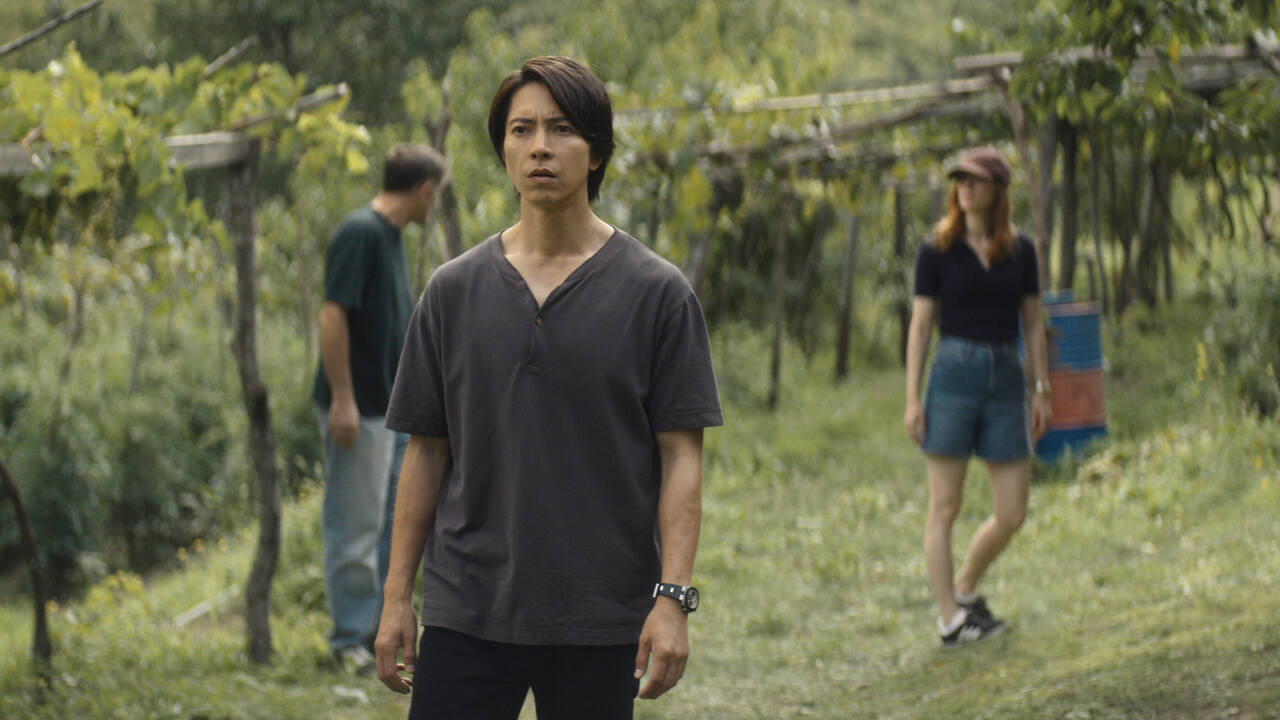
From the opening moments, “The Origin” settles into a confident rhythm that feels both deliberate and emotionally charged. This episode isn’t trying to shock or rush its way through the story; instead, it patiently layers discovery on top of doubt, allowing the season’s larger mystery to breathe. Watching it, I felt the series leaning fully into what it does best: using wine not as a gimmick, but as a serious narrative language for memory, inheritance, and rivalry.
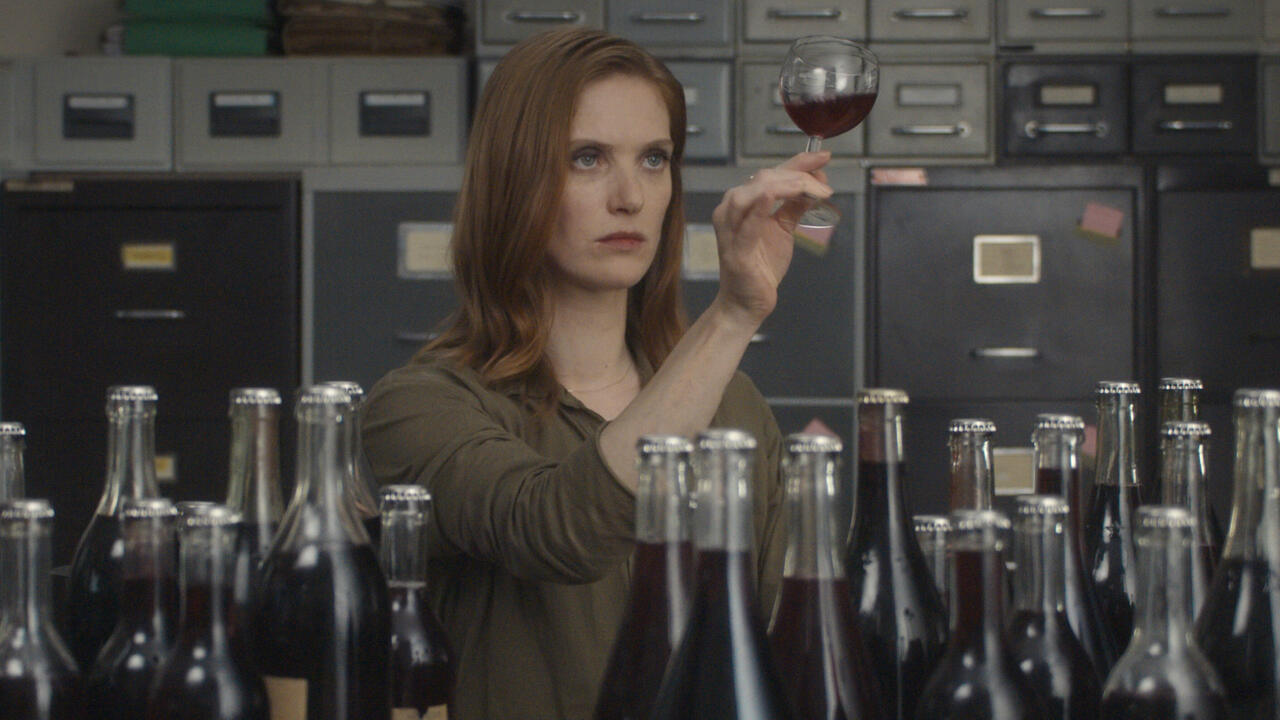
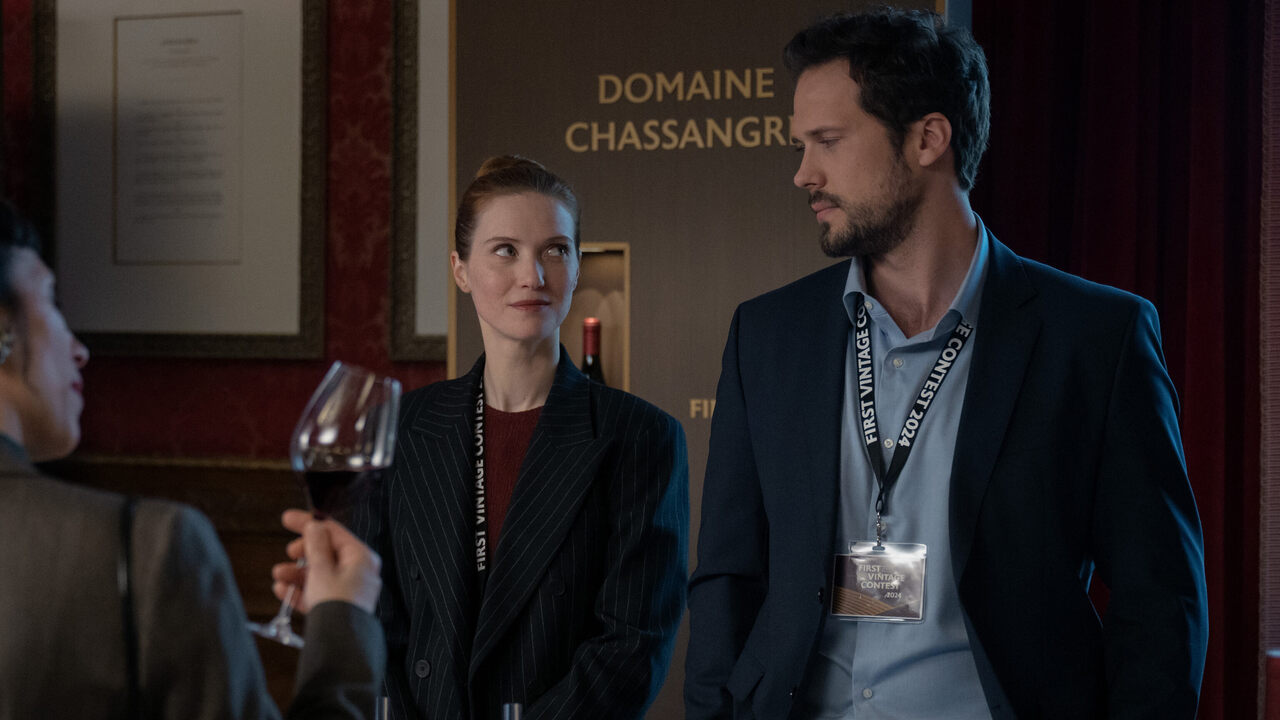
The plot centers on Camille’s pursuit of a rare grape lineage tied to the elusive “perfect” wine. What I appreciated immediately was how the episode treats this search as real investigative work rather than a magical intuition test. Camille isn’t suddenly brilliant because the script demands it; she’s observant, methodical, and occasionally wrong. Her journey through tastings and consultations feels earned, especially when she realizes that a key sensory note she had confidently identified as celery root is actually truffle. That moment lands quietly, without dramatic music or grand declarations, and that restraint makes it feel authentic. The show trusts viewers to understand the importance of such a correction, and I found that refreshing.
Camille’s growth as a taster continues to be one of the most satisfying long-term arcs of the series. In this episode, her expertise finally feels solid enough that mistakes don’t undermine her credibility; instead, they humanize her. The Tokyo tasting scene, where her bottle doesn’t quite match expectations, is particularly effective. It underlines that knowledge alone isn’t enough in this competition context; history and humility matter just as much. Fleur Geffrier plays these moments with subtle control, letting frustration and recalibration show without tipping into self-pity.
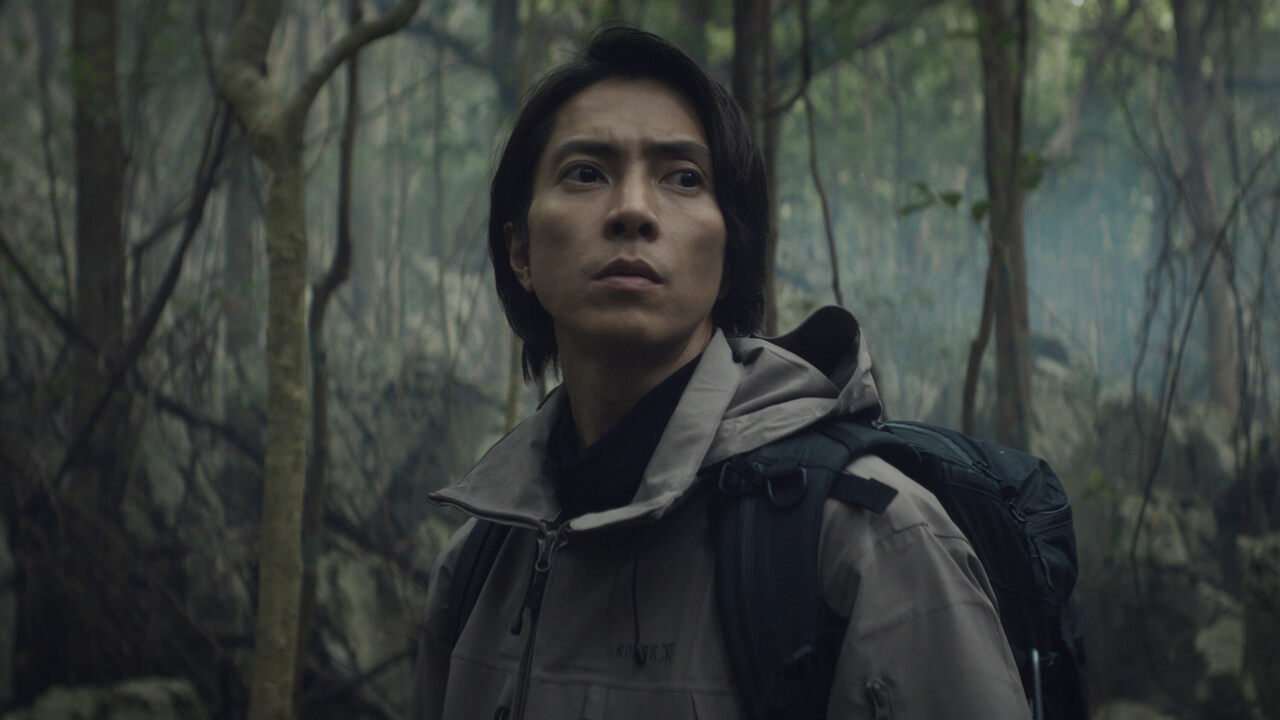
Running parallel to Camille’s investigation is Issei’s ongoing conflict with his family. Episode 3 deepens this thread by placing him under pressure to withdraw from the contest, reinforcing how high the personal stakes are for him. I liked that the episode doesn’t turn this into an exaggerated family confrontation. Instead, it unfolds through restrained conversations and silences, which suits Issei’s character. His refusal to step away doesn’t feel impulsive; it feels like a quiet assertion of identity. When he later identifies the wine’s exact vintage during the blind tasting, beating Camille by a narrow margin, the moment feels less like a win and more like proof of why he refuses to quit.
One of the episode’s strongest emotional beats comes from the recorded message left by Alexandre Léger, where he admits he was a bad father. It’s a blunt, uncomfortable acknowledgment, and the writing deserves credit for not softening it. The scene doesn’t ask for forgiveness or closure; it simply presents a truth that Camille must absorb. That honesty adds weight to the inheritance narrative that runs through the series, reminding us that the competition is as much about unresolved relationships as it is about wine.
Technically, the episode is polished without drawing attention to itself. The direction favors clean compositions and steady pacing, allowing conversations and tastings to play out naturally. The visual contrast between vineyards, urban interiors, and formal tasting rooms subtly mirrors the tension between tradition and modern interpretation. The editing is tight enough to maintain momentum, yet unhurried enough to let small realizations register. This balance is hard to achieve, and the episode largely succeeds.
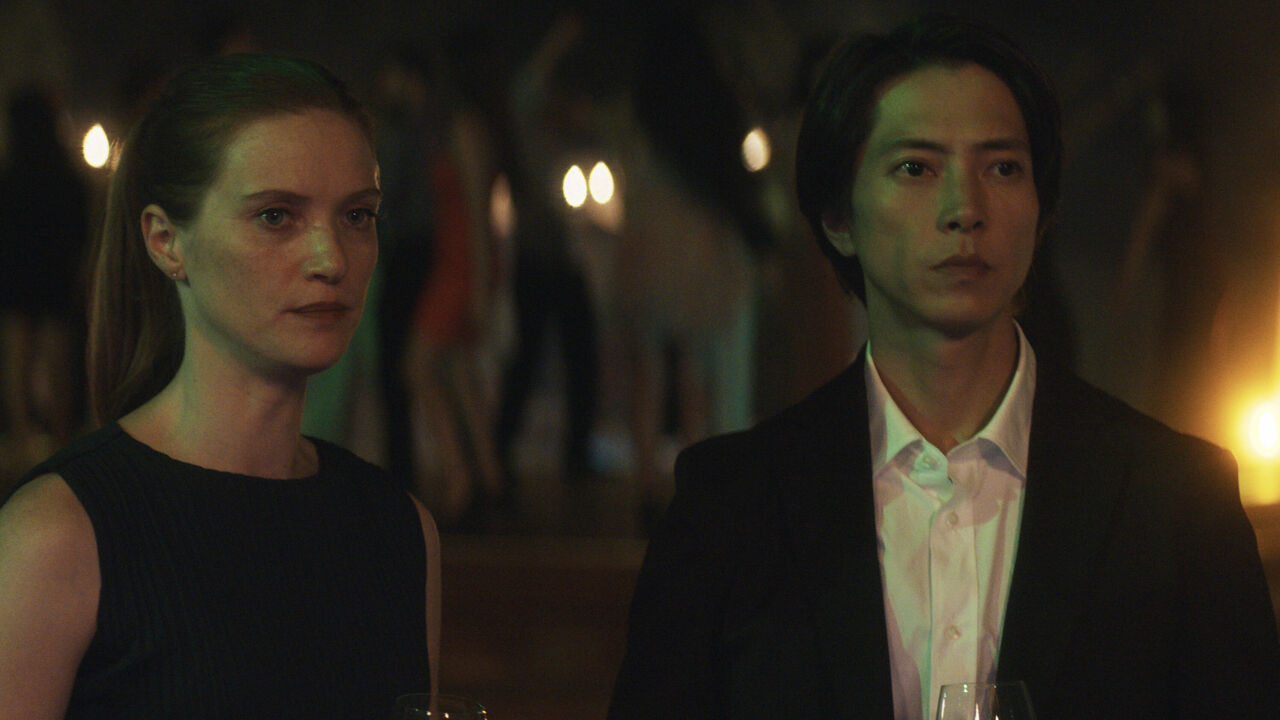
The performances remain a strong anchor. Geffrier continues to give Camille a grounded intelligence, while Tomohisa Yamashita brings a restrained intensity to Issei that makes even his quiet moments feel loaded with intent. Their dynamic works because the show resists framing them as simple rivals. There’s respect, irritation, and curiosity layered into every interaction, which keeps their competition interesting rather than repetitive.
That said, the episode isn’t without minor flaws. At times, the dialogue leans heavily on exposition, particularly when explaining technical wine details or historical context. While this information is clearly important, a few exchanges feel more like lectures than conversations. For viewers already comfortable with wine terminology, this may not be an issue, but for others, it could momentarily slow engagement. The show usually integrates these explanations more seamlessly, and here it occasionally shows its hand.
Even with those small missteps, “The Origin” stands out as a thoughtful, confident installment. It advances the central mystery, deepens character motivations, and reinforces the emotional core of the series without resorting to gimmicks. I finished the episode feeling both entertained and intellectually engaged, which is a rare balance for television drama. If this episode is any indication, the season is less interested in flashy twists and more invested in meaningful progression—and that choice continues to pay off.
Final Score- [7/10]
Hi Everyone, after a due consideration, we have decided that we will be open for donations to help us in managing our website. We will be greatful for any kind of amount we receive. Thanks!
— Midgard Times 🎬 (@Moviesr_net) January 4, 2026
PayPal- [email protected] pic.twitter.com/DlNNz5Npm5
Get all latest content delivered to your email a few times a month.
Bringing Pop Culture News from Every Realm, Get All the Latest Movie, TV News, Reviews & Trailers
Got Any questions? Drop an email to [email protected]
 © Copyrights MOVIESR.NET All rights reserved