


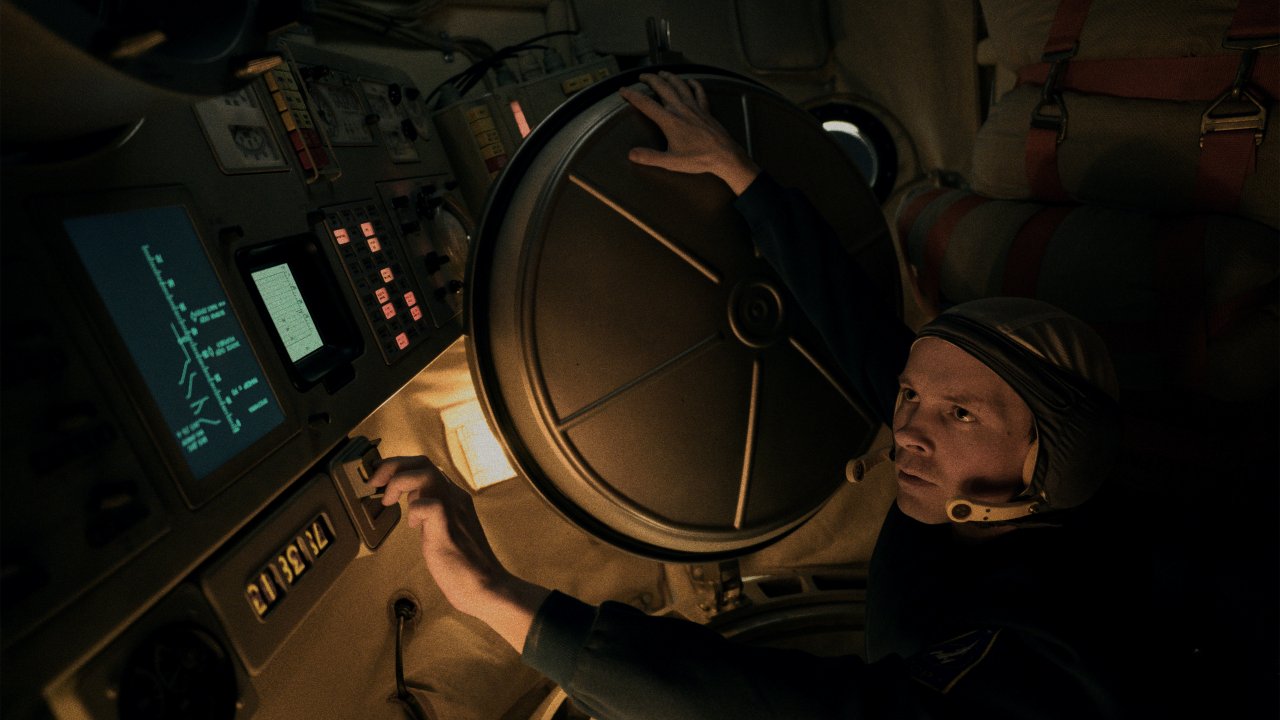
One of the smartest things Star City has done so far is refuse to become a simple “Soviet version of For All Mankind.” Instead, episode three, “Bad Dancer,” continues proving that this series is far more interested in paranoia than triumph. The rockets matter. The Moon matters. The race itself matters. But the emotional core of the show increasingly revolves around something much darker: what happens when extraordinary achievement is built inside systems where trust barely exists. “Bad Dancer” is probably the strongest episode of the season so far because it finally settles into the identity that makes Star City distinct from its parent series. This is not a story about dreamers. It’s a story about people trying to survive institutions.
Agnes O’Casey gets much stronger material here as Irina Morozova, and the episode wisely places her closer to the center of the narrative. Irina has quietly become one of the most compelling characters in the series because she occupies a fascinating position inside the Soviet system. She’s ambitious, intelligent, observant, and increasingly aware that competence alone does not guarantee safety.
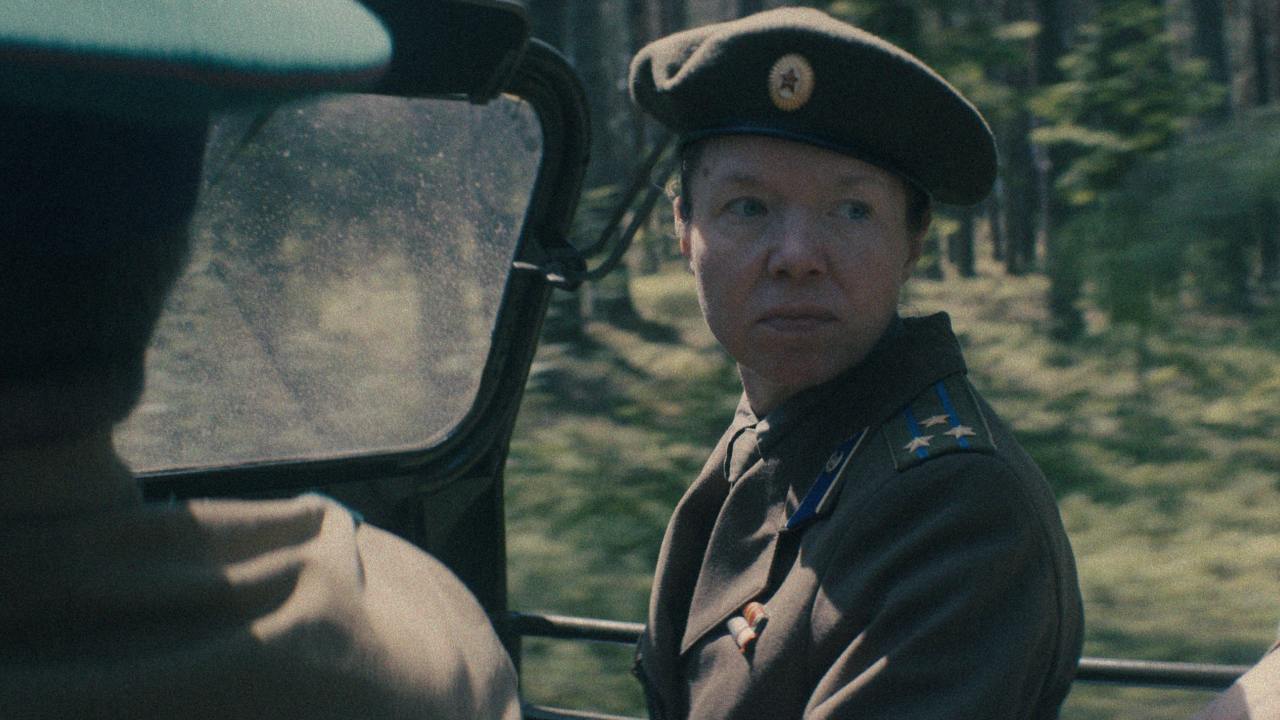
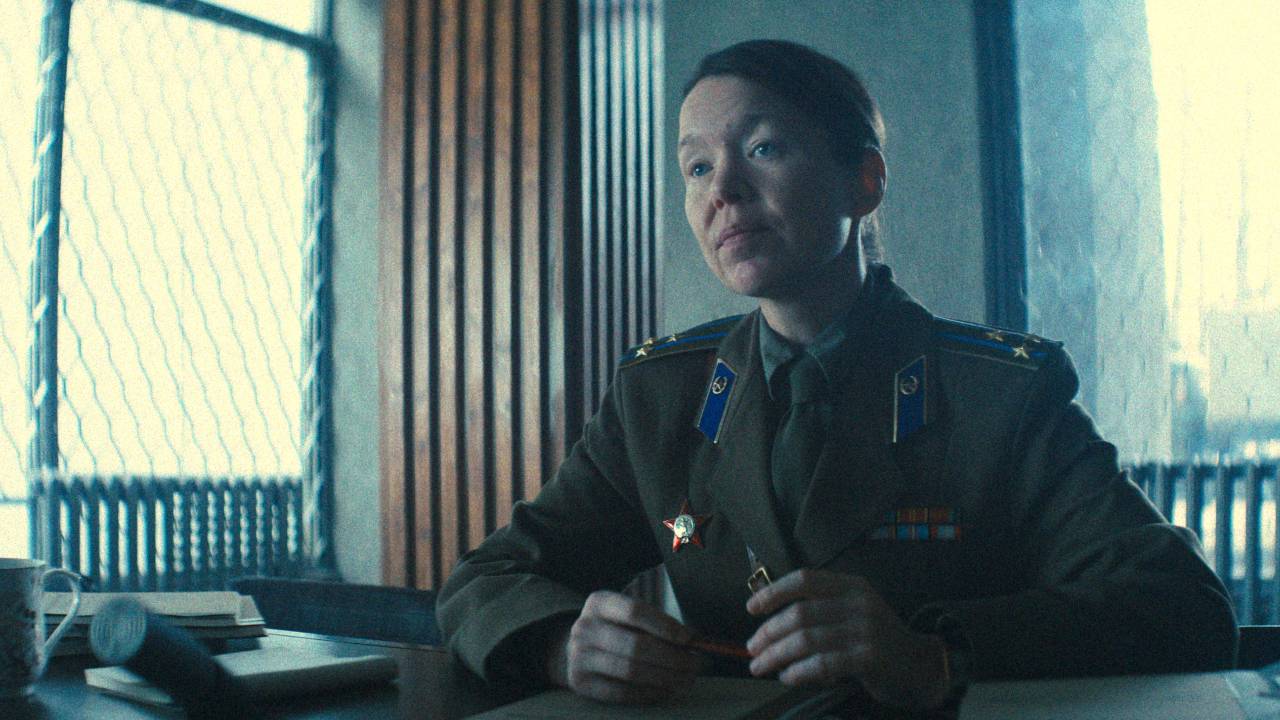
The episode’s central development involving Irina works largely because O’Casey plays her with restraint. Irina rarely announces what she’s feeling. Instead, the performance constantly suggests someone calculating consequences in real time. Every conversation seems to carry an additional layer of risk assessment underneath it. That tension makes even relatively small scenes feel important. Anna Maxwell Martin continues to be phenomenal as Lyudmilla Raskova, head of surveillance at Star City. At this point, Lyudmilla may be the most quietly intimidating character on television. Martin never overplays her authority. She doesn’t need dramatic speeches or obvious displays of power. The character’s presence alone changes the atmosphere of every room she enters.
What makes Lyudmilla so interesting is that the show refuses to portray her as a simplistic antagonist. She genuinely believes control creates stability. Surveillance, in her mind, is not cruelty. It’s protection. That ideological certainty makes her much more unsettling than a conventional villain would be. The scenes involving Lyudmilla and Irina remain some of the best material in the series because both characters understand the rules of the system while viewing those rules very differently.
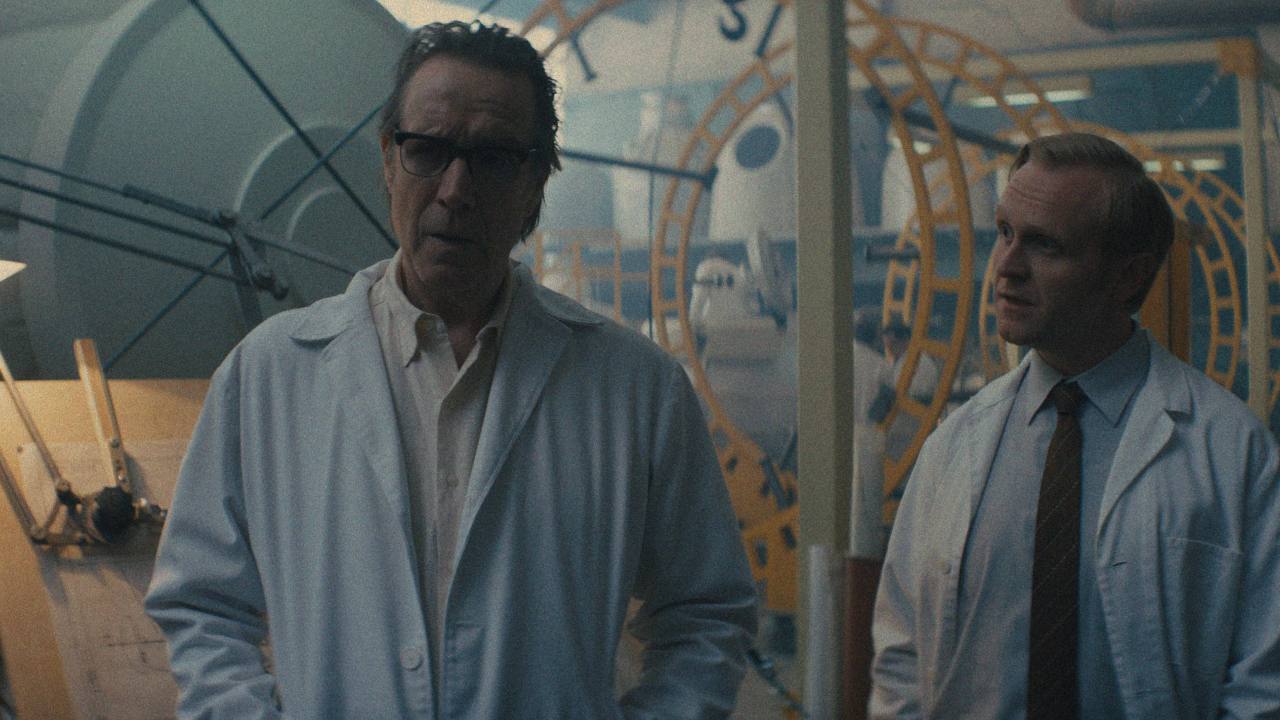
Rhys Ifans also continues excellent work as the Chief Designer. One of the strongest aspects of the show is how it portrays scientific achievement as something constantly colliding with political reality. The Chief Designer increasingly feels trapped between those worlds. He wants progress. The state wants results. And those goals are not always emotionally compatible. Ifans brings real gravity to the role without turning the character into a tragic genius stereotype. There’s growing exhaustion underneath his authority now, and episode three continues developing that effectively.
The lunar-race material works particularly well here because the show avoids framing it purely as spectacle. The pressure to maintain Soviet dominance becomes an emotional force affecting nearly everyone in the episode. Success no longer feels celebratory. It feels mandatory.
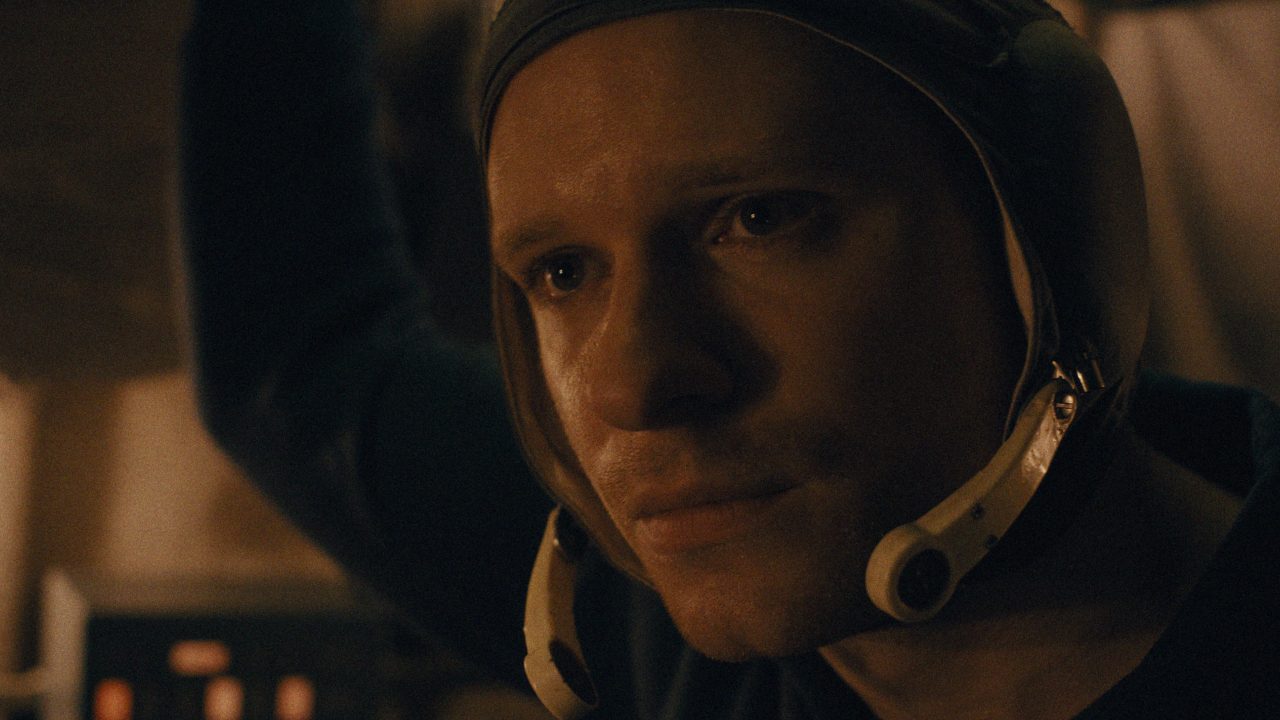
Adam Nagaitis remains excellent as Valya Markelov, who continues bringing a restless unpredictability to the cosmonaut side of the story. Meanwhile, Alice Englert’s Anastasia Belikova remains one of the season’s most interesting long-term characters. The series is clearly positioning her within larger conversations about gender, visibility, and expectation inside the Soviet program, and episode three continues laying that groundwork effectively without forcing it. What I continue to appreciate is how carefully the show handles its ensemble. Nobody feels reduced to a single narrative function. Even secondary characters seem shaped by the same atmosphere of pressure, secrecy, and institutional scrutiny.
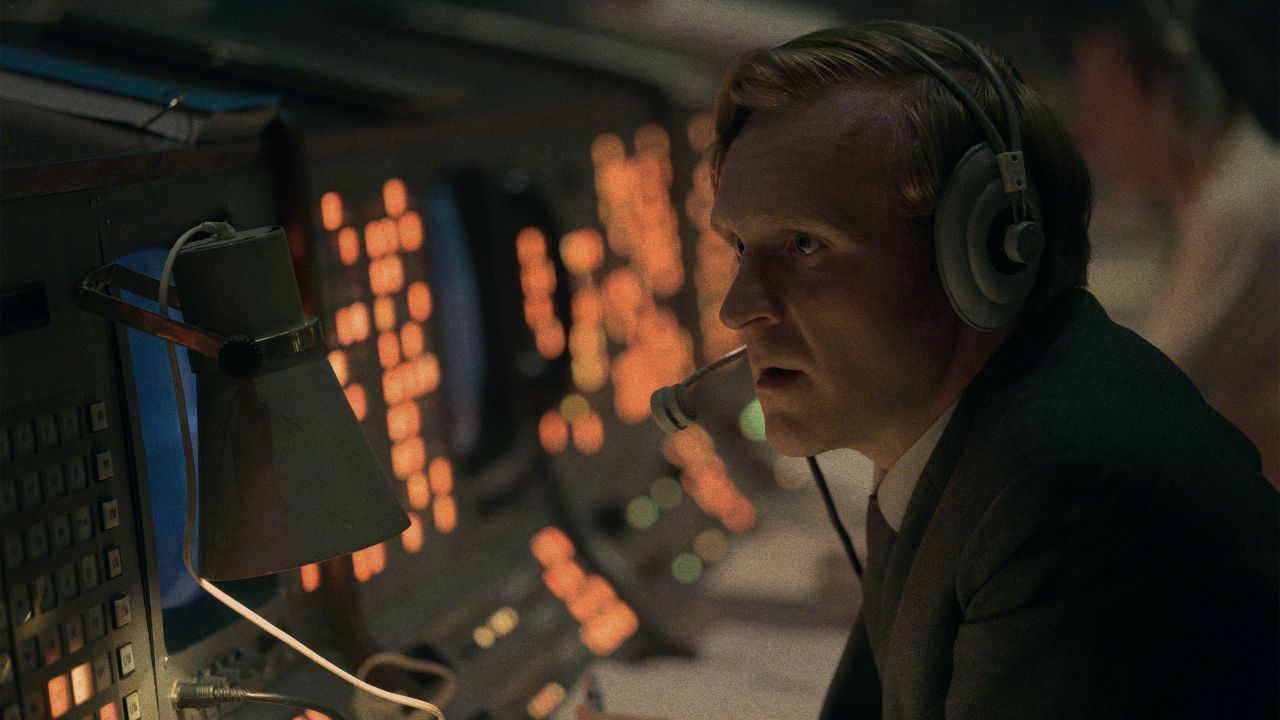
Visually, Star City remains gorgeous. The production design continues doing extraordinary work, creating a version of the Soviet space program that feels authentic, lived-in, and emotionally restrictive. The offices, training facilities, apartments, corridors, control rooms, and surveillance spaces all contribute to a constant feeling of confinement. Unlike NASA in For All Mankind, which often feels expansive and aspirational, Star City itself feels enclosed. That contrast is one of the best creative decisions the series has made.
The direction in “Bad Dancer” is especially strong during quieter scenes. Rather than relying heavily on action or dramatic confrontations, the episode builds tension through observation. People watch each other. Conversations remain cautious. Silence becomes meaningful. The result is an hour that often feels more like a political thriller than a traditional science-fiction drama. The writing also deserves praise for understanding subtext. Characters rarely say exactly what they mean because they live in a world where speaking openly carries consequences. That creates a constant undercurrent of uncertainty throughout the episode. Every interaction feels shaped by what remains unsaid.
The biggest challenge facing Star City remains pacing. The series is so committed to atmosphere, character psychology, and institutional tension that it occasionally risks slowing itself too much. Episode three is stronger than the previous hour in this regard, but there are still stretches where the narrative feels more interested in mood than momentum. The episode also continues the season’s tendency toward emotional distance. While that emotional restraint makes sense for both the setting and the characters, it can occasionally make the series harder to connect with on a deeply personal level compared to For All Mankind. That show often balanced politics and science with strong family dynamics. Star City is intentionally colder.
There are also a few supporting storylines that still feel like setup rather than payoff. That’s not necessarily a criticism this early in the season, but some narrative threads remain more intriguing in theory than in execution at the moment. Still, those issues never significantly damage the episode because the performances remain so strong and the atmosphere is so carefully constructed. What impressed me most about “Bad Dancer” is how confidently it understands its themes. This is a show about achievement under surveillance. About ambition shaped by fear. About institutions demanding greatness while simultaneously limiting personal freedom. Episode three explores those ideas without becoming overly explanatory.
Star City episode three is intelligent, atmospheric, and increasingly confident in its identity as a paranoid political thriller disguised as a space-race drama. Strong performances from Agnes O’Casey, Anna Maxwell Martin, and Rhys Ifans anchor an episode that deepens both the emotional and institutional tensions of the series. While the pacing occasionally remains slow and some storylines are still developing rather than fully landing, “Bad Dancer” represents the show at its most focused and compelling so far. Rather than chasing spectacle, it continues building something much more unsettling - a story about people reaching for the stars while constantly looking over their shoulders.
Final Score- [8.5/10]
Hi Everyone, after a due consideration, we have decided that we will be open for donations to help us in managing our website. We will be greatful for any kind of amount we receive. Thanks!
— Midgard Times 🎬 (@Moviesr_net) January 4, 2026
PayPal- [email protected] pic.twitter.com/DlNNz5Npm5
Get all latest content delivered to your email a few times a month.
Bringing Pop Culture News from Every Realm, Get All the Latest Movie, TV News, Reviews & Trailers
Got Any questions? Drop an email to [email protected]
 © Copyrights MOVIESR.NET All rights reserved