


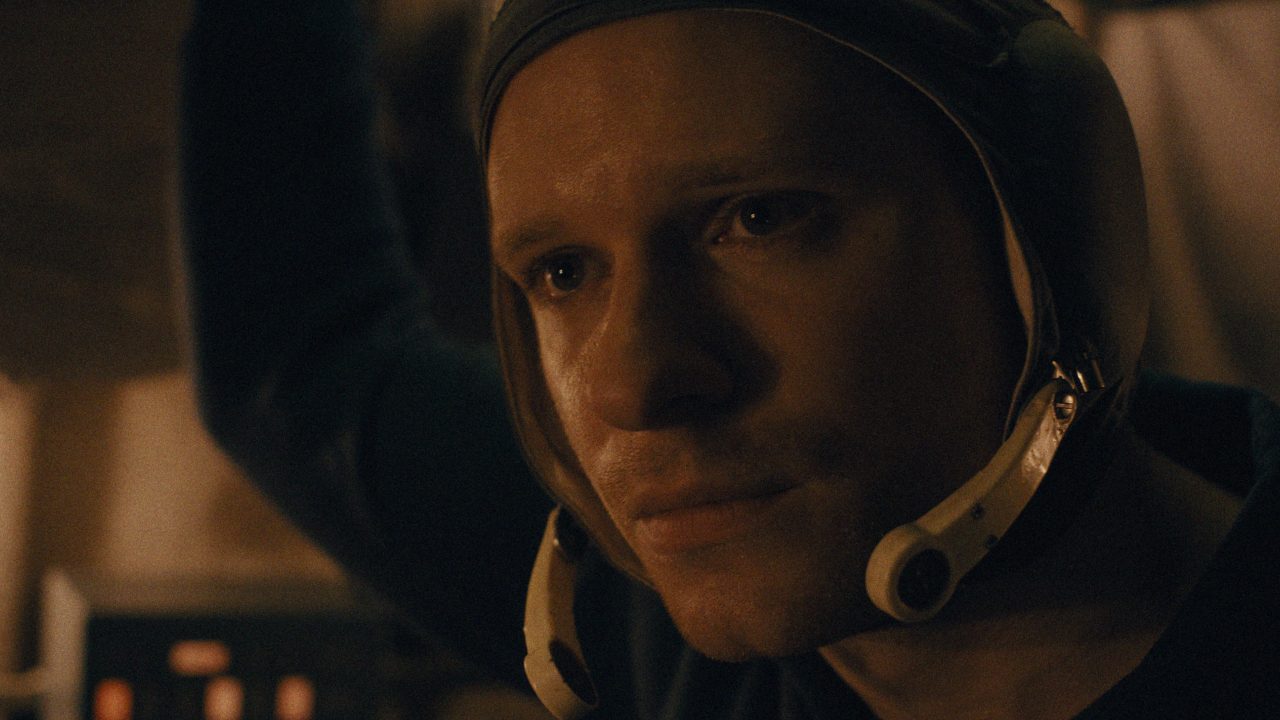
After five episodes of slow-burning paranoia, Star City finally reaches the point where paranoia starts paying dividends. "Awl in a Sack" is the kind of episode that would be unbearably frustrating if the show hadn't spent weeks laying the groundwork. Fortunately, it has. The result is an hour that feels less like a dramatic escalation and more like the inevitable consequence of everything that came before it. Every secret exposed, every compromised relationship, every quiet act of surveillance and manipulation now begins feeding into something larger. For the first time all season, it genuinely feels like the system is losing control of itself.
One of Star City's greatest strengths has always been its understanding that institutions are rarely destroyed by a single catastrophic event. More often, they're weakened by hundreds of small compromises. "Awl in a Sack" leans heavily into that idea. Characters spend much of the episode reacting to previous decisions rather than making new ones, and that gives the story a sense of momentum that's been building for weeks.
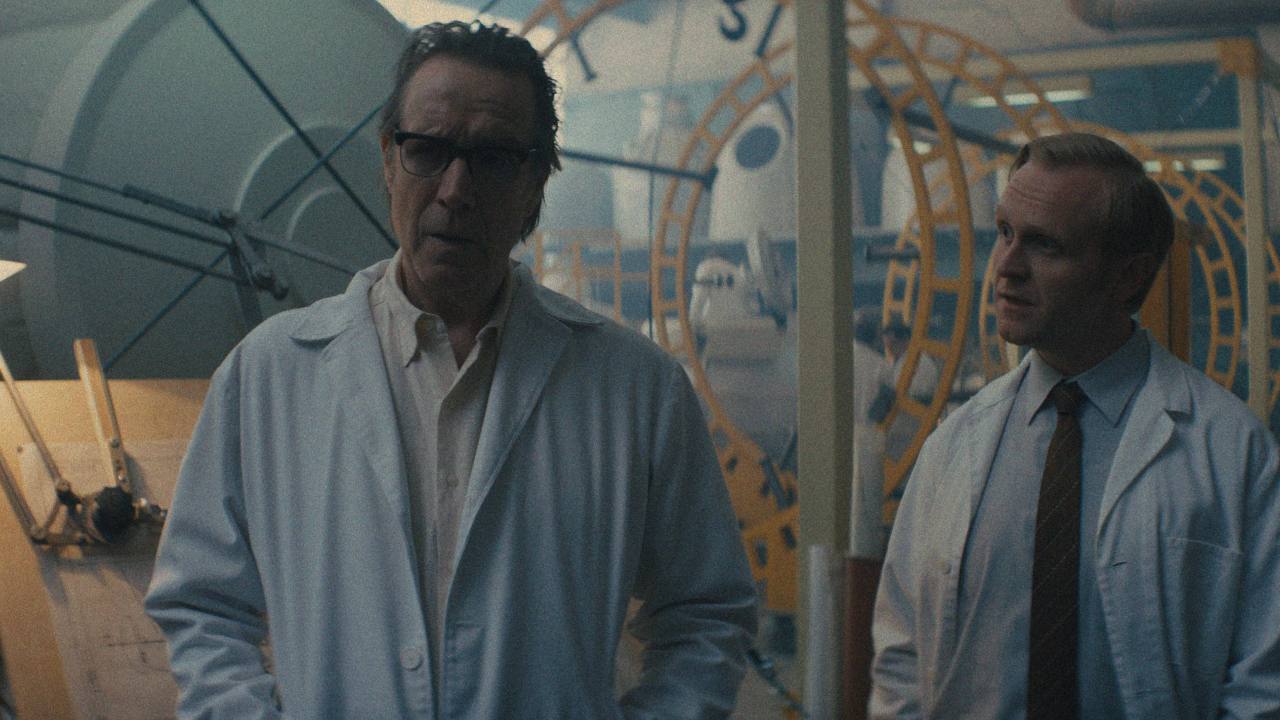
Rhys Ifans continues to be exceptional as the Chief Designer. What I appreciate most about his performance is how little he seems interested in appearing heroic. The Chief Designer isn't portrayed as a visionary genius confidently steering history. He's increasingly presented as a man struggling to hold together a machine that's becoming more unstable by the day. Ifans plays exhaustion remarkably well. The kind that comes from realizing every solution creates three new problems.
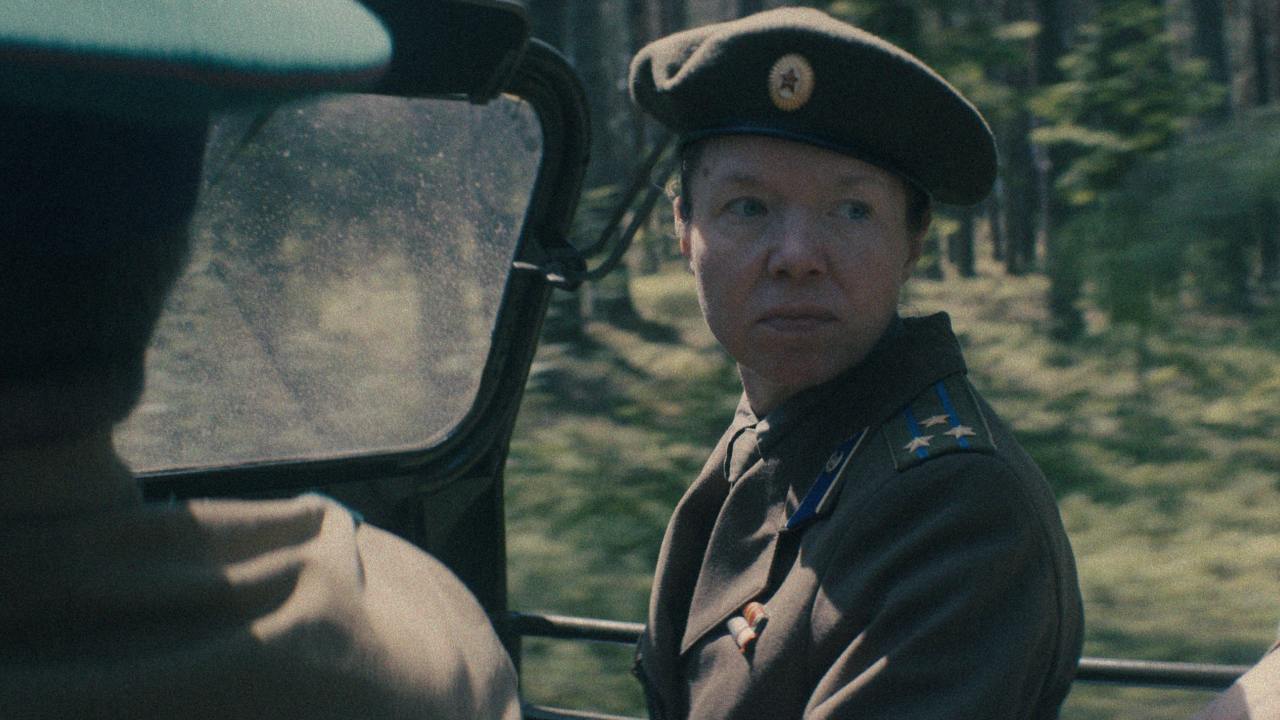
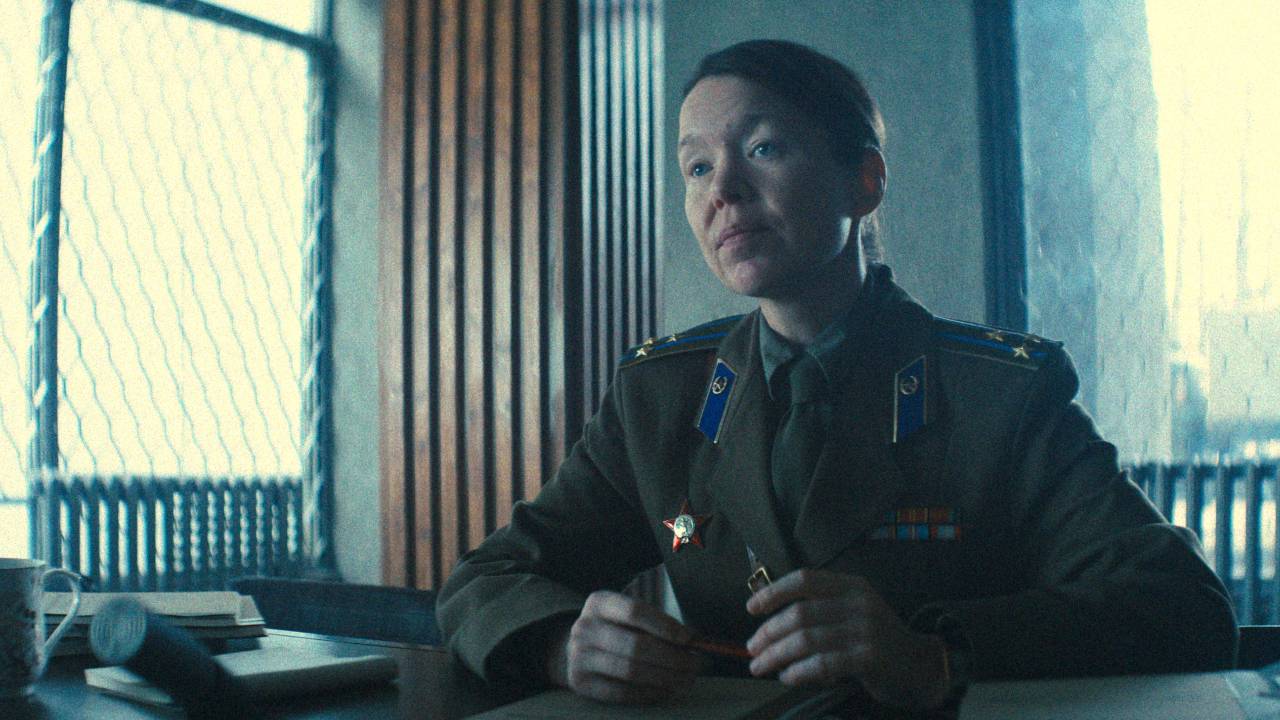
By episode six, the character has become one of the most compelling figures in the entire For All Mankind universe because he understands the cost of success better than anyone else. Every achievement seems attached to a compromise. Every victory comes with consequences. Ifans communicates that burden beautifully. Anna Maxwell Martin remains phenomenal as Lyudmilla Raskova. If the Chief Designer represents scientific ambition, Lyudmilla represents institutional power, and the series continues finding fascinating ways to place those forces in conflict. Martin's performance is all about control. Every scene feels like she's calculating ten different outcomes simultaneously. What's particularly impressive is how the character never becomes cartoonishly ruthless. Lyudmilla genuinely believes she's protecting something. The question is whether she's protecting people or simply protecting the system.
Agnes O'Casey continues having one of the strongest arcs in the series as Irina Morozova. Her storyline has steadily evolved from supporting-player territory into something much more significant, and "Awl in a Sack" further cements her as one of the show's emotional anchors. O'Casey brings a quiet intelligence to the role that makes even simple conversations feel loaded with meaning. Alice Englert's Anastasia also benefits from some strong material this week. One of the recurring themes throughout Star City has been the difference between public image and private reality, and few characters embody that better than Anastasia. The episode continues exploring the personal costs of becoming a symbol, and Englert handles those moments with considerable nuance. Visually, the series remains gorgeous.
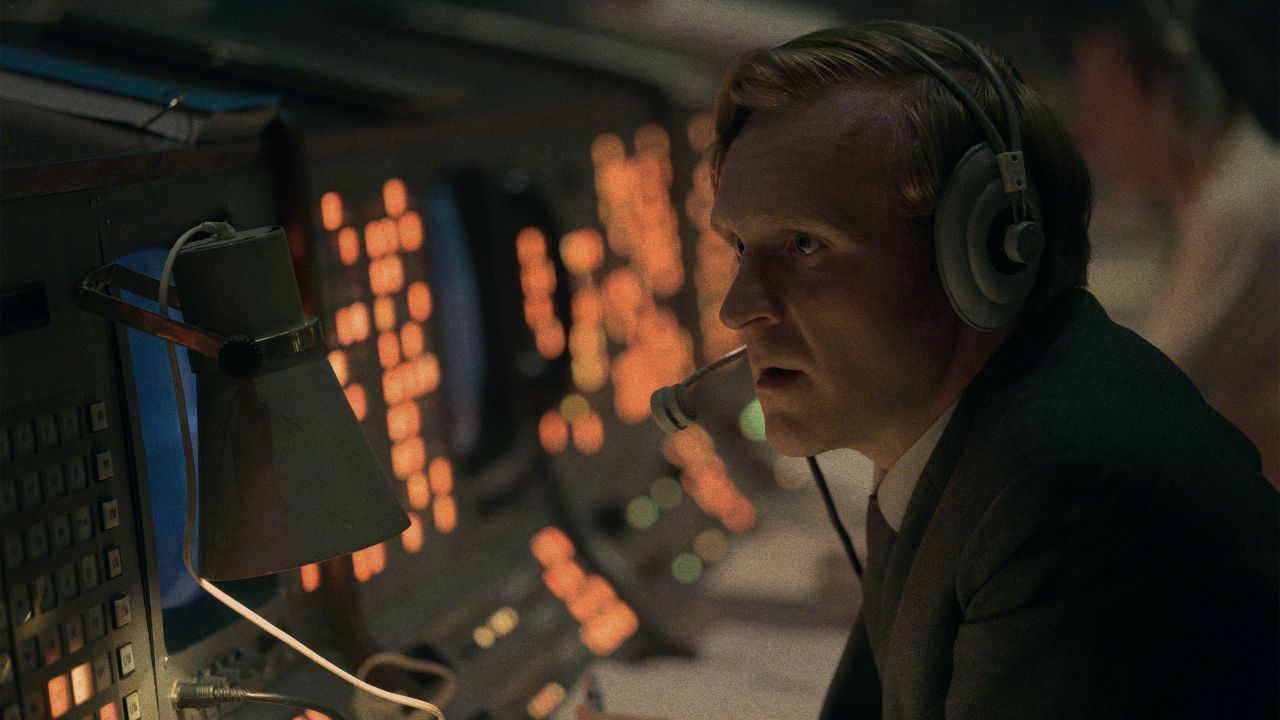
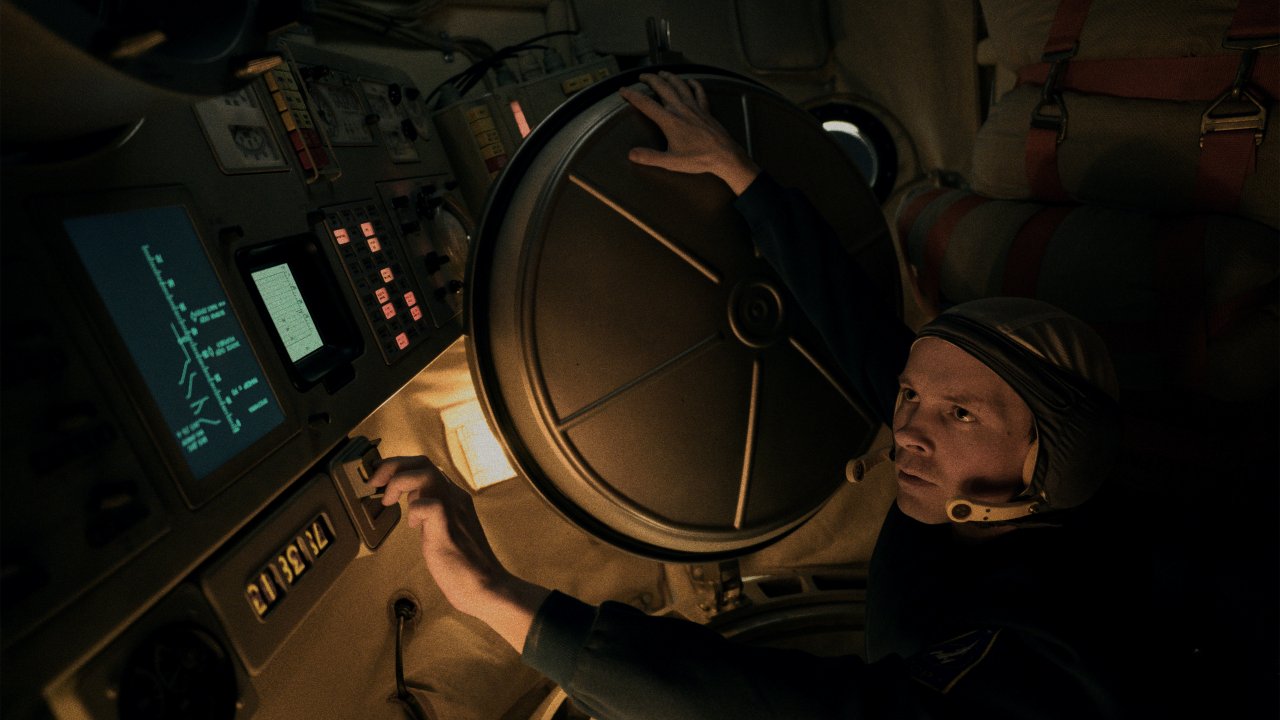
The production design continues to be among the best on television. Every office, apartment, control room, and training facility feels authentic. More importantly, they feel oppressive. Star City has mastered the art of making large spaces feel claustrophobic. Characters are constantly framed through windows, doorways, observation points, and corridors, reinforcing the sense that everyone is being watched.
What I particularly enjoyed about "Awl in a Sack" is that it trusts the audience. There are no major exposition dumps. No dramatic speeches explaining the themes. No villain standing in the middle of a room announcing their intentions. The episode understands that viewers already know what's at stake. That confidence allows the tension to emerge naturally.
The pacing is still extremely deliberate. I generally like slow-burn storytelling, and Star City is undeniably good at it, but there were moments where I wished the episode had moved slightly faster. Certain scenes linger just a little too long. Certain conversations communicate their point effectively and then continue for another minute or two. The material is strong enough that it doesn't become boring. But it occasionally becomes self-conscious. There's also a lingering emotional distance that the series sometimes struggles to overcome. I admire these characters. I'm fascinated by them. I enjoy spending time with them. I'm not always deeply connected to them.
What prevents those issues from becoming major problems is that the larger narrative is becoming increasingly compelling. The show has reached the point where every storyline feels connected to every other storyline. Political pressure affects scientific progress. Scientific progress affects personal relationships. Personal relationships affect intelligence operations. Nobody exists in isolation. That interconnectedness gives the series a richness that few prestige dramas manage.
Star City episode six is one of the season's strongest chapters, delivering excellent performances from Rhys Ifans, Anna Maxwell Martin, Agnes O'Casey, and Alice Englert while finally allowing the consequences of earlier episodes to fully emerge. The writing remains intelligent, the atmosphere is exceptional, and the political intrigue continues to deepen in satisfying ways. Although the pacing remains deliberately slow and the emotional distance occasionally limits the impact of certain scenes, "Awl in a Sack" succeeds because it understands that tension is most effective when it feels inevitable rather than surprising. The walls are closing in on everyone, and for the first time, it feels like nobody is entirely safe.
Final Score- [8/10]
Hi Everyone, after a due consideration, we have decided that we will be open for donations to help us in managing our website. We will be greatful for any kind of amount we receive. Thanks!
— Midgard Times 🎬 (@Moviesr_net) January 4, 2026
PayPal- [email protected] pic.twitter.com/DlNNz5Npm5
Get all latest content delivered to your email a few times a month.
Bringing Pop Culture News from Every Realm, Get All the Latest Movie, TV News, Reviews & Trailers
Got Any questions? Drop an email to [email protected]



 © Copyrights MOVIESR.NET All rights reserved