


In a world where entertainment is constantly evolving, cutting-edge technology is revolutionizing the way movies and TV shows are created and consumed. From jaw-dropping visual effects to immersive virtual reality experiences, the line between fantasy and reality has never been blurrier. Much like how the Lucky 7 game has modernized the classic casino experience with its digital format and live interaction, the entertainment industry is also undergoing a transformation.
In this article, we will explore how the influential role of technology is shaping the future of the entertainment industry. We will delve into the advancements that have propelled the capabilities of filmmakers and television producers, allowing them to push the boundaries of storytelling and bring audiences closer to the action than ever before.
Computer-generated imagery, or CGI, has transformed the way movies and TV shows are made. With CGI, filmmakers can create stunning visuals that would be impossible to achieve with practical effects alone. From epic battle scenes to fantastical creatures, CGI has opened up a whole new world of possibilities.
One of the most notable examples of CGI in recent years is the Marvel Cinematic Universe. Films like "Avengers: Endgame" and "Black Panther" have pushed the boundaries of what can be achieved with visual effects. The seamless integration of CGI characters into live-action scenes has become a staple of modern blockbusters, bringing beloved comic book characters to life in a way that was once unimaginable.
While CGI has certainly enhanced the visual spectacle of movies and TV shows, it has also raised questions about the reliance on technology and the diminishing role of practical effects. Some argue that CGI can sometimes feel artificial and take away from the authenticity of a scene. However, there is no denying the impact that CGI has had on the entertainment industry, and its continued evolution is sure to shape the future of filmmaking.
Virtual Reality, or VR, has long been associated with gaming, but its potential in film and television is just beginning to be explored. VR allows viewers to immerse themselves in a virtual world, experiencing stories in a way that is unprecedented.
Filmmakers are now using VR to create interactive experiences that go beyond traditional storytelling. With VR, viewers can become active participants in the narrative, making choices that affect the outcome of the story. This level of interactivity adds a whole new dimension to the entertainment experience, blurring the lines between the audience and the characters on screen.
While VR immerses viewers in a virtual world, Augmented Reality, or AR, overlays digital elements onto the real world. AR has gained popularity in recent years, thanks to smartphone apps like Pokémon Go, which allowed users to catch virtual creatures in real-world locations.
In the entertainment industry, AR has the potential to enhance storytelling by bringing elements of a fictional world into the real world. For example, imagine being able to see your favorite movie characters standing right in front of you or being able to interact with virtual objects in your living room. AR has the power to make these experiences a reality.
Artificial Intelligence, or AI, is no longer just the stuff of science fiction. It is now being used in the entertainment industry to create and enhance visual effects.
One of the most significant advancements in AI technology is deep learning, a subset of machine learning that allows computers to analyze and interpret vast amounts of data. This technology has revolutionized the way visual effects are created, making it faster and more efficient than ever before.
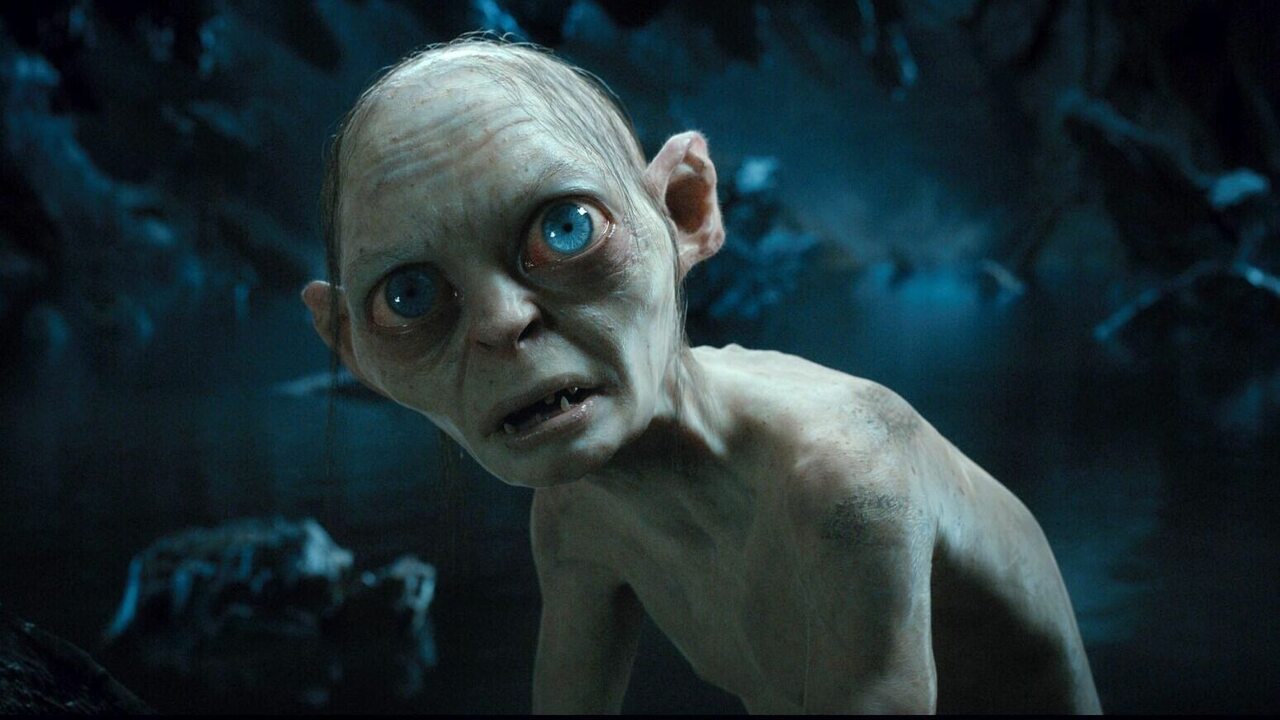
Motion capture technology has become an essential tool in the creation of animated characters. It allows filmmakers to capture the movements and expressions of actors and translate them into digital characters, creating a level of realism that would be impossible to achieve with traditional animation techniques.
One of the most well-known examples of motion capture technology is the character Gollum from "The Lord of the Rings" trilogy. Actor Andy Serkis donned a motion capture suit and facial markers to bring Gollum to life. Through the use of motion capture, Serkis was able to imbue the character with a level of nuance and emotion that resonated with audiences.
But motion capture is not just limited to creating humanoid characters. It can also be used to animate animals, creatures, and even inanimate objects.
Technology has become an integral part of the entertainment industry, enhancing storytelling and creating immersive experiences for audiences. From the advancements in CGI to the rise of VR and AR, the possibilities for creating compelling content are endless.
Join us on this captivating journey as we explore the fascinating intersection of technology and entertainment and discover how it is shaping the future of movies and TV shows. The line between fantasy and reality has never been blurrier, and the best is yet to come.




Hi Everyone, after a due consideration, we have decided that we will be open for donations to help us in managing our website. We will be greatful for any kind of amount we receive. Thanks!
— Midgard Times 🎬 (@Moviesr_net) January 4, 2026
PayPal- [email protected] pic.twitter.com/DlNNz5Npm5
Get all latest content delivered to your email a few times a month.
Bringing Pop Culture News from Every Realm, Get All the Latest Movie, TV News, Reviews & Trailers
Got Any questions? Drop an email to [email protected]


 © Copyrights MOVIESR.NET All rights reserved