


Watching Gatao: The Last Stray feels like being invited into a room where everyone is tough, tired, emotionally repressed, and absolutely convinced they are making the right decisions even as the floor collapses beneath them. This film is not subtle, not gentle, and not particularly interested in reinventing the gangster genre. What it is interested in is mood, emotional contradiction, and the uncomfortable gap between the life you live and the life you briefly imagine for yourself before reality shows up with bad timing and worse intentions.
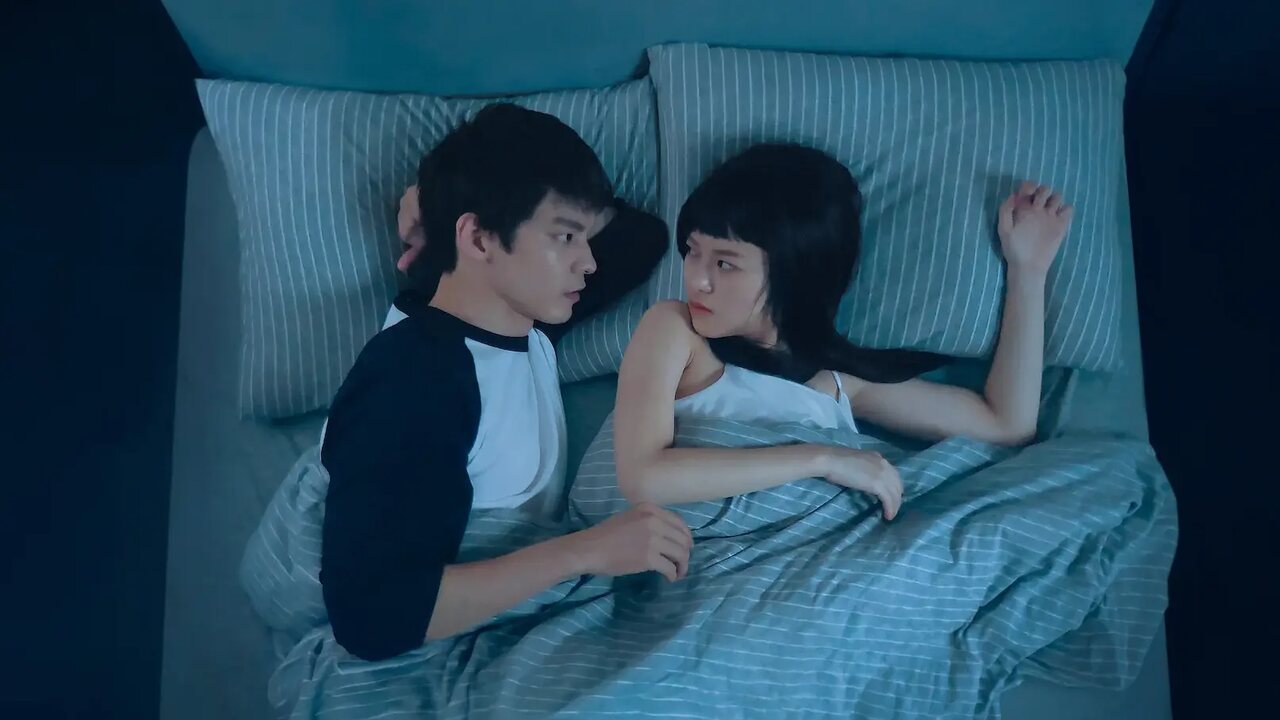
At the center is Ah-Qing, who is not a crime boss, not a mastermind, and not particularly aspirational. He’s a working-level gangster, the kind who takes orders, absorbs consequences, and doesn’t get speeches written about him. This grounded position is one of the film’s strongest choices. The story doesn’t romanticize power as much as it romanticizes inevitability. Ah-Qing is stuck in a system that doesn’t reward reflection, and the movie never pretends otherwise. His relationship with Xiao Qi, the photographer, isn’t framed as salvation so much as interruption. She represents a pause button he doesn’t actually have permission to press.
The romantic angle is where the film becomes more interesting and more frustrating at the same time. On the positive side, their chemistry is believable in a quiet, awkward way. There’s no grand sweeping romance here, just two people circling each other carefully, aware that something is off but not fully ready to say it out loud. Xiao Qi feels like someone from a different rhythm of life, observant, curious, and not immediately impressed by Ah-Qing’s bravado. The movie earns points for letting their connection develop through small interactions rather than dramatic declarations.
On the negative side, the film often treats this relationship like a fragile object it’s afraid to touch too much. Xiao Qi is present, likable, and emotionally clear, but she rarely gets narrative control. Her role is less “character with agency” and more “mirror reflecting Ah-Qing’s internal conflict.” It works emotionally, but it also limits her depth. The movie flirts with the idea of exploring how she processes danger and moral compromise, then backs away before it gets uncomfortable. That hesitation feels deliberate, but also cowardly.
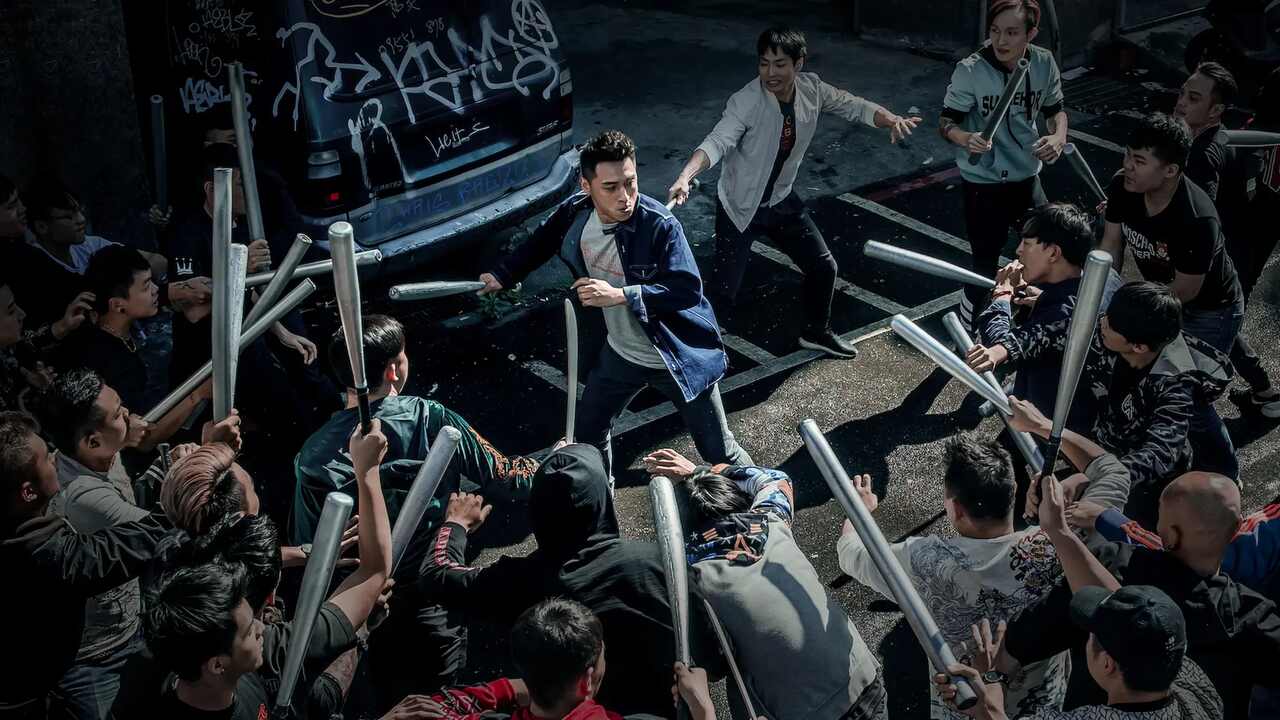
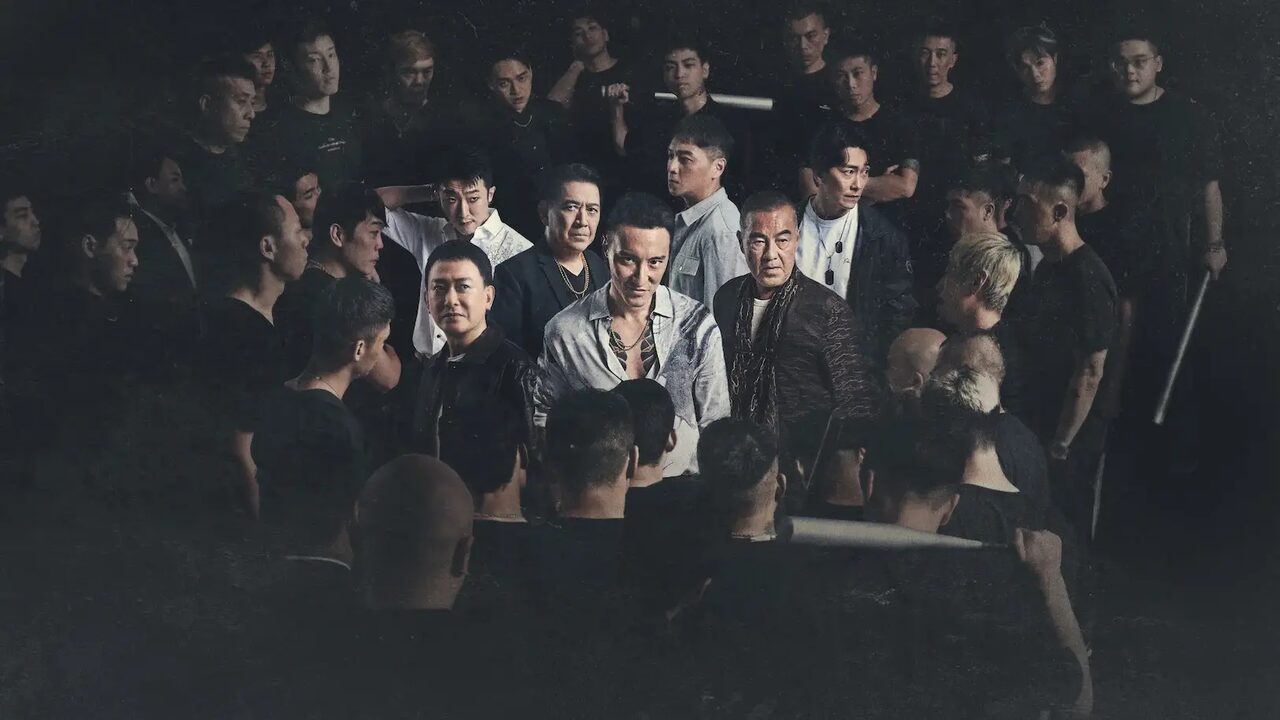
Where The Last Stray truly commits is its depiction of gang life as tedious, stressful, and frequently stupid. This is not a glamorous underworld. Meetings are tense, violence erupts suddenly, and nobody ever seems relaxed. The film excels at showing how quickly things escalate for reasons that feel both dramatic and absurd. One misunderstanding, one impulsive decision, and suddenly everyone is posturing, bleeding, or plotting revenge. There’s a dry humor embedded in this chaos, intentional or not, and it adds texture to scenes that could have been one-note.
The action itself is raw and unpolished in a good way. Fights look messy, fast, and painful. There’s no elegance here, just panic and momentum. The camera doesn’t glorify the violence; it documents it. That said, the film sometimes relies on violence as a narrative shortcut. Instead of developing tension through character choices, it occasionally jumps straight to physical conflict, as if afraid the audience might lose interest if no one gets hit for ten minutes.
Tonally, the movie walks a strange line between romantic melancholy and gangster fatalism. Sometimes this balance works beautifully, especially in quieter scenes where Ah-Qing seems almost surprised by his own emotional responses. Other times, the tonal shifts are abrupt. One moment we’re watching a subdued, intimate exchange, and the next we’re thrown into a shouting match or confrontation that feels like it belongs to a different movie. The transitions aren’t always smooth, and the pacing suffers because of it.
From a filmmaking perspective, the cinematography is consistently strong. The use of nighttime cityscapes, tight interiors, and muted color palettes reinforces the sense of entrapment that defines Ah-Qing’s life. The camera frequently observes from a slight distance, making characters feel boxed in by their environments. This visual restraint supports the story’s themes better than the dialogue sometimes does. When the film trusts its visuals, it’s far more effective than when it spells everything out.
Dialogue is a mixed bag. Some exchanges feel authentic and understated, especially between gang members who communicate more through implication than words. Other lines sound like they were written with maximum dramatic intent and minimum realism. There are moments where characters explain things they absolutely would not explain out loud in real life, which slightly undercuts the otherwise grounded tone. It’s not disastrous, but it does pull you out of the moment.
The final stretch of the movie leans hard into inevitability. Choices made earlier return with consequences that are neither shocking nor avoidable. This predictability is both a strength and a weakness. On one hand, it reinforces the idea that this world does not offer clean exits. On the other hand, it removes any real suspense about how things will end. You’re less anxious about what will happen and more focused on how long it will take to arrive.
By the time the film concluded, I felt a combination of satisfaction and mild irritation. Satisfaction because the movie stays emotionally consistent and doesn’t betray its own logic. Irritation because it could have pushed further, especially with its supporting characters and romantic dynamics. It chooses safety over risk in a story that otherwise celebrates recklessness.
Overall, Gatao: The Last Stray is a solid, moody gangster drama with a romantic spine that almost but not quite carries its full weight. It’s sincere, well-acted, visually confident, and occasionally sharper than it needs to be. It’s also repetitive, cautious in the wrong places, and more comfortable reinforcing genre expectations than challenging them. I enjoyed it, I questioned it, and I rolled my eyes at it more than once. Which, frankly, feels like the most honest reaction a movie like this could ask for.
Final Score- [6/10]
Reviewed by - Anjali Sharma
Follow @AnjaliS54769166 on Twitter
Publisher at Midgard Times



Hi Everyone, after a due consideration, we have decided that we will be open for donations to help us in managing our website. We will be greatful for any kind of amount we receive. Thanks!
— Midgard Times 🎬 (@Moviesr_net) January 4, 2026
PayPal- [email protected] pic.twitter.com/DlNNz5Npm5
Get all latest content delivered to your email a few times a month.
Bringing Pop Culture News from Every Realm, Get All the Latest Movie, TV News, Reviews & Trailers
Got Any questions? Drop an email to [email protected]


 © Copyrights MOVIESR.NET All rights reserved