


An oversize permit may already be sitting in the driver’s paperwork when somebody notices that the numbers are no longer right. Maybe the machine was measured before it was fully loaded. Maybe dispatch had to send another trailer. Sometimes the customer adds an attachment at the last minute or the crew moves the cargo to get the weight distributed better.
None of those situations is especially unusual in heavy haul. The important part is what happens next. A permit was approved using particular information about the vehicle, cargo, dimensions and route, so a change made afterward can mean the paperwork no longer covers the truck that is actually about to leave the yard.
That does not necessarily mean every adjustment requires starting the entire process again. It does mean the difference should be checked instead of being dismissed because it looks small.
There is an easy mistake to make here. A dispatcher gets permission to move an excavator from one location to another and begins thinking of the document as a permit for “the excavator.” In practice, the state reviewed much more than the name of the machine being hauled.
The application may have included loaded width and height, overall length, gross weight, axle weights and spacing, overhang and information about the hauling equipment. Those details describe the combination that the state agreed to allow on a particular route and under particular conditions.
Now imagine the original plan called for one lowboy, but that trailer develops a mechanical problem on the morning of the move. Another lowboy is available, the machine fits, and from the yard’s point of view the substitution solves the problem. The permit question is separate. If the replacement changes overall dimensions, axle spacing or weights, the approved paperwork may need attention before departure.
Measurement differences cause the same headache. A piece of equipment listed at 12 feet 10 inches wide during planning might measure wider once it is actually secured for transport. “Only a few inches” is not a useful rule for deciding whether the existing authorization is still good. What matters is whether the permitted information still matches the move and what the issuing state allows.
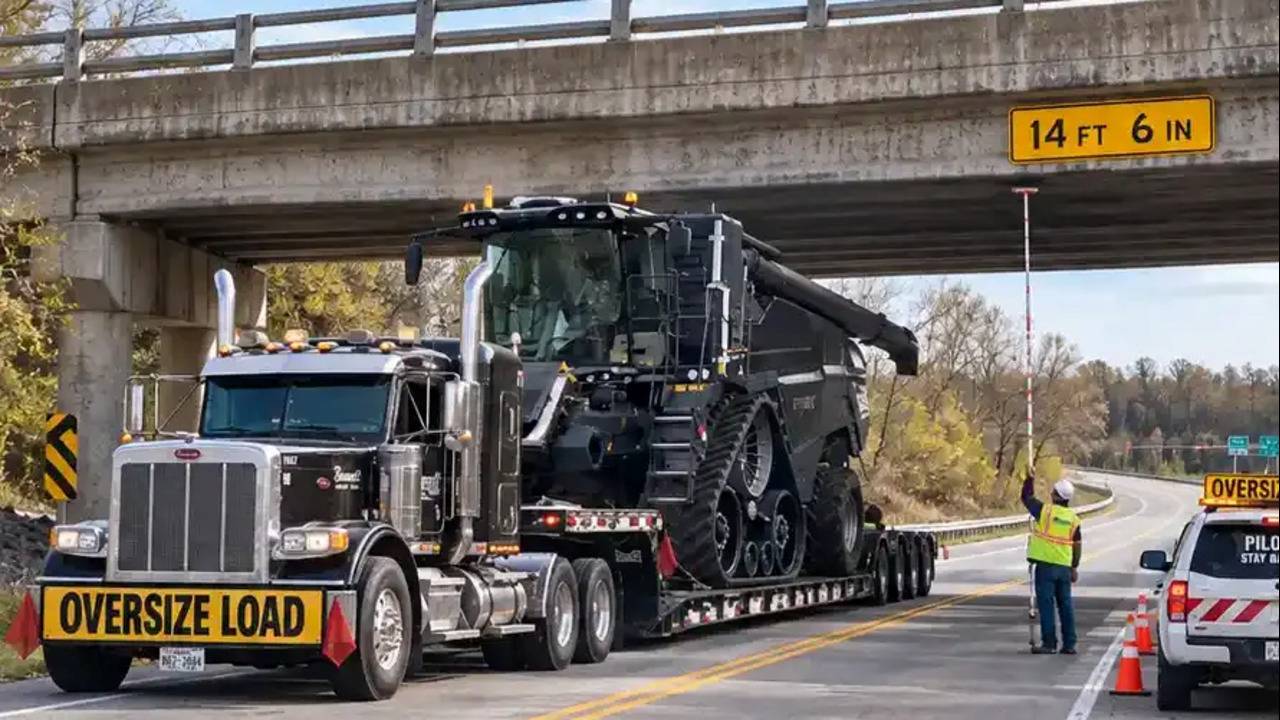
Some discrepancies are obvious. If a load becomes a foot taller than expected, nobody on an experienced heavy-haul crew should shrug and send it down the road. Other differences are easier to overlook because the cargo itself has not changed.
Moving equipment forward or backward on a trailer is a good example. The adjustment may be made to improve weight distribution, but it can also change axle loads or overhang. Swapping a tractor can alter the combination as well. A customer asking for delivery at another entrance can sound harmless until that entrance requires using roads that were not included in the permitted route.
Before leaving, it makes sense to check again when there has been a change involving:
● loaded height, width or overall length;
● gross or axle weight;
● axle count or spacing;
● tractor or trailer configuration;
● front or rear overhang;
● origin, destination or permitted route.
This check is much easier while the truck is still parked. Once a driver is already moving under an authorization that does not correspond to the actual configuration, fixing the situation becomes considerably less convenient.
There is another complication on interstate jobs. A carrier moving through three states may be holding three separate permits, and those documents should not be treated as though they were one national approval. A change needs to be considered against the requirements of each jurisdiction involved in the trip.
It is tempting to look at an incorrect dimension as a paperwork error. Sometimes it affects much more than the piece of paper.
Take height. If the permitted load was reviewed at one height and the actual combination ends up higher, the route may contain a clearance that now needs another look. Bridges are the obvious concern, but overhead signs, utility infrastructure and other obstacles can matter too. Simply correcting the number without considering the route would miss the reason the number was important in the first place.
Weight creates a different set of questions. A heavier combination or different axle distribution can affect roads and structures that the vehicle is allowed to cross. Width may bring additional restrictions into play, particularly around construction, narrow roadway sections or other constrained areas.
That is why a carrier should contact the appropriate permit office or permit service rather than making its own correction to an issued document. Depending on the state and the extent of the change, the answer might be an amendment, a replacement or an entirely new application. Carriers obtaining oversize permits can avoid much of this back-and-forth by submitting final loaded dimensions whenever those figures are available, but unexpected equipment and cargo changes still need to be dealt with when they occur.
A route change deserves the same caution. Regular trucking makes drivers accustomed to going around congestion or following a navigation app after a missed turn. With a permitted oversize move, an alternate road may not have been evaluated for that vehicle. The detour that saves ten minutes for ordinary traffic could contain a low structure, restricted bridge, tight turn or local limitation that creates a much bigger problem.
First, establish what actually changed. “The load is a little different” is not enough information for dispatch or a permit office to work with. Measure the loaded combination again and confirm the relevant equipment and weight information.
Then compare those figures with the permit in hand. If everything covered by the authorization remains the same, the operational change may not affect the permit at all. If a permitted detail is different, however, the carrier should find out whether the issuing authority requires a correction or another permit.
This can be frustrating when a truck is loaded, the driver is ready and the delivery schedule is already tight. Still, leaving first and sorting out the paperwork later is a poor trade. Oversize moves are precisely the type of transportation where a seemingly minor discrepancy can become important at an inspection or at a restriction along the route.
The best time to catch these problems is before the application ever goes out. Measure the cargo in its transport position, confirm the trailer that will actually be used and avoid relying on old equipment specifications when current measurements can be taken. If something changes afterward, treat the permit as one of the items that needs to be rechecked.
Heavy-haul plans change. Trailers break, customers revise instructions, dimensions turn out differently than expected and loading crews make adjustments. None of that automatically turns a shipment into a major problem. The trouble usually begins when the truck changes but everyone continues acting as if the paperwork did not.





Hi Everyone, after a due consideration, we have decided that we will be open for donations to help us in managing our website. We will be greatful for any kind of amount we receive. Thanks!
— Midgard Times 🎬 (@Moviesr_net) January 4, 2026
PayPal- [email protected] pic.twitter.com/DlNNz5Npm5
Get all latest content delivered to your email a few times a month.
Bringing Pop Culture News from Every Realm, Get All the Latest Movie, TV News, Reviews & Trailers
Got Any questions? Drop an email to [email protected]



 © Copyrights MOVIESR.NET All rights reserved