



At this point, watching For All Mankind feels less like following a television show and more like participating in an ongoing emotional endurance program sponsored by NASA. Every season, this series somehow finds new ways to combine cutting-edge science, geopolitical anxiety, interplanetary logistics, inherited trauma, and deeply complicated parent-child relationships into one enormous prestige-television pressure cooker. And somehow—against all odds—it still works. Mostly because the show understands something many science-fiction dramas forget: The technology is never the point. The people are.
“Sons and Daughter” is one of the clearest examples of that philosophy this season. After the huge scientific and political escalation of “Brave New World,” episode nine wisely avoids trying to simply “go bigger.” Instead, it turns inward. This is a quieter episode by For All Mankind standards—fewer spectacle-driven moments, fewer adrenaline spikes, fewer sequences designed to make me physically stop breathing every time someone opens an airlock. Instead, this hour focuses on inheritance. Emotional inheritance. Political inheritance. Scientific inheritance. Family inheritance. And honestly? That material hits much harder than another explosion probably would have.
At the center of everything, once again, is Kelly Baldwin, played beautifully by Cynthy Wu, and episode nine fully confirms what season five has been quietly building toward: This is Kelly’s season. Not because the writers suddenly decided to make her inspirational. Not because she’s becoming a flawless leader. Quite the opposite. What makes Kelly so compelling here is how visibly exhausted she feels by responsibility. The discoveries on Titan are no longer abstract scientific achievements—they’re becoming political property, corporate leverage, ideological ammunition, and historical legacy all at once. And Kelly understands exactly what that means.
Cynthy Wu plays all of this with incredible restraint. There’s a weariness to Kelly now that feels deeply earned, not melodramatic. She’s making impossible decisions while simultaneously carrying the emotional weight of the Baldwin family legacy, which in For All Mankind might honestly qualify as a medically concerning burden. There’s one scene midway through the episode involving archival footage of Ed Baldwin that genuinely caught me off guard. Not because the show suddenly becomes sentimental—it doesn’t. For All Mankind is far too disciplined for that. Instead, it quietly asks a devastating question: What happens when your heroes become emotional expectations you can never realistically survive?
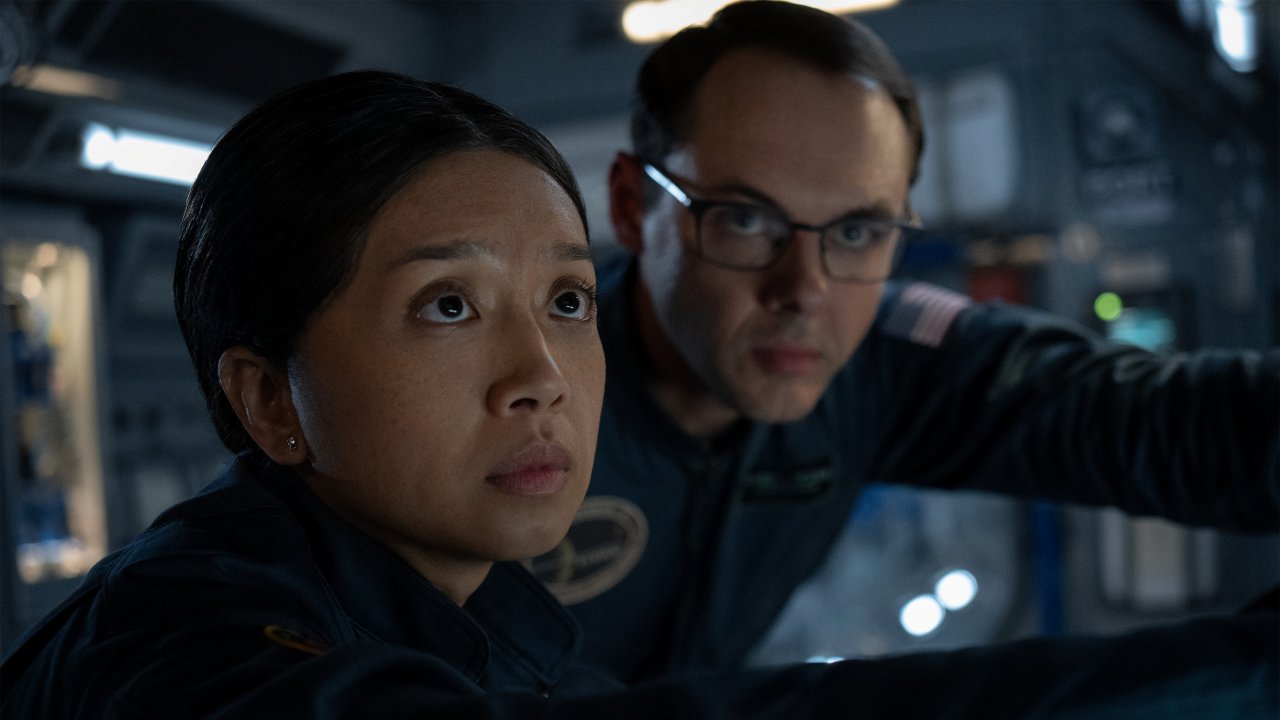
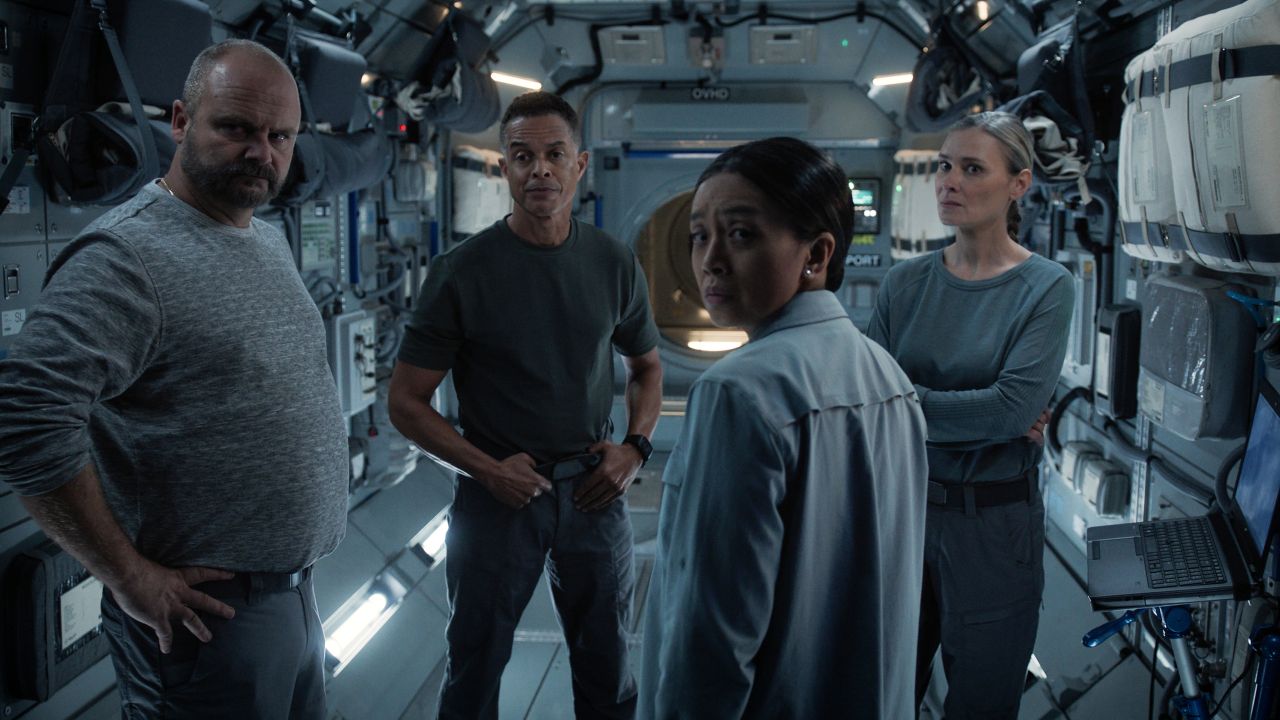
That idea hangs over almost every Kelly scene in this episode, giving the hour a surprising emotional heaviness. The Titan material remains excellent. Visually, the show continues operating at a ridiculous level. The surface photography, habitat interiors, EVA sequences, and environmental effects all look extraordinary without ever feeling like empty spectacle. Titan still feels alien in the most important way—not just visually unfamiliar, but emotionally isolating. Nobody looks comfortable there. Nobody looks safe there. And that’s exactly why the setting still works so well five seasons into this universe.
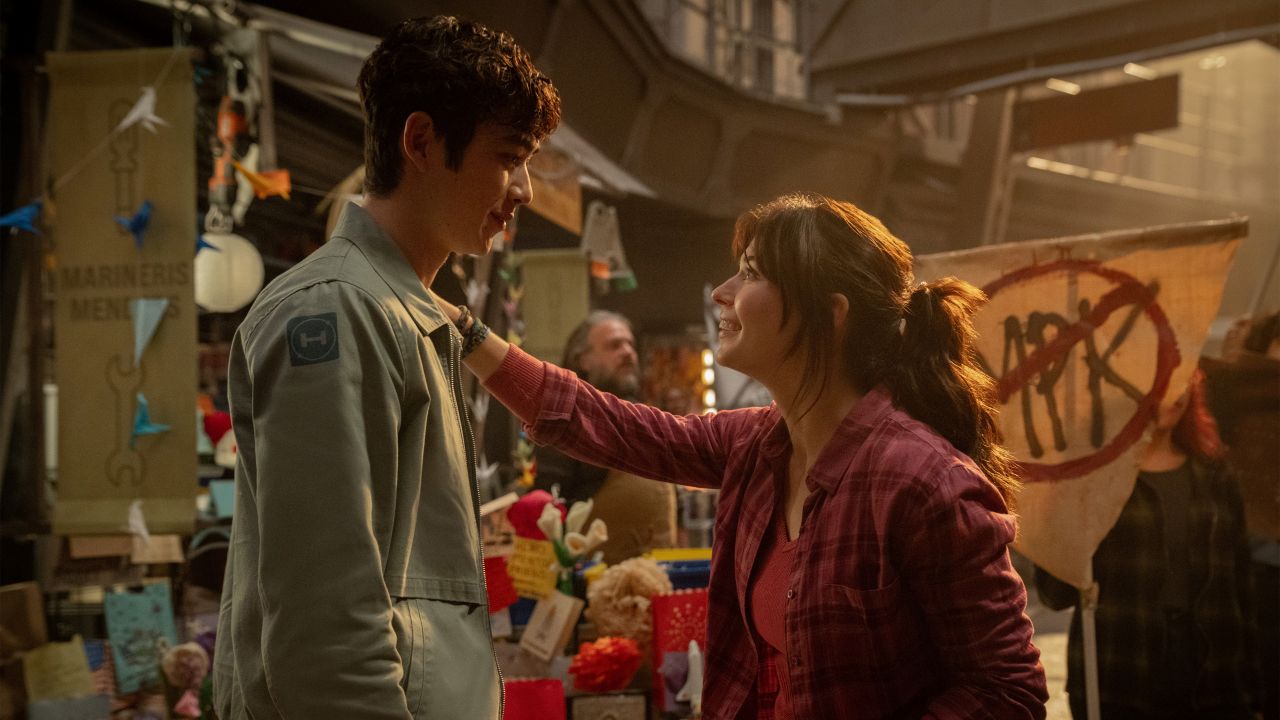
Luka Petrov, played once again with grounded intensity by Miloš Biković, continues to be one of the strongest additions to the ensemble. His relationship with Kelly remains refreshingly mature for a prestige drama. The writers resist every obvious temptation to manufacture cheap romantic conflict, which I appreciated enormously. These characters don’t behave like people trapped in a romance algorithm. They behave like adults under extraordinary pressure who genuinely respect each other. Their scenes in “Sons and Daughter” are some of the strongest in the episode, especially during a conversation about legacy and sacrifice that quietly becomes one of the season’s best emotional exchanges. Nobody cries. Nobody confesses anything dramatic. Nobody says, “I can’t lose you.” Instead, two intelligent people discuss risk the way astronauts probably actually would—with emotional honesty buried underneath technical language and practical concerns. That restraint makes the scene land even harder.
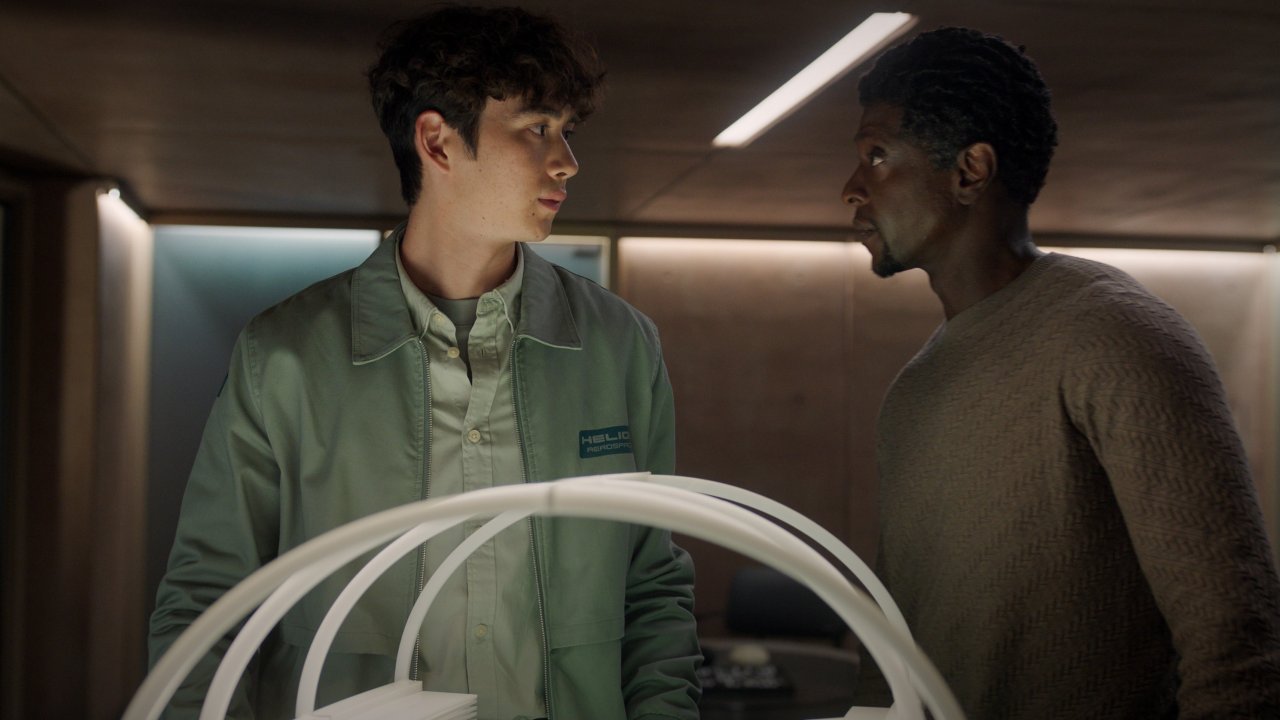
Back on Earth, the political storylines are finally fully clicking into place. Earlier in the season, I occasionally felt like the Earth-side material existed mostly to remind viewers that civilization still technically mattered while everyone else was busy discovering history-changing things on Titan. “Sons and Daughters” completely fixes that. The Helios scenes are excellent this week, especially as corporate interests begin colliding more openly with scientific ethics. The writing does a fantastic job of showing how quickly historical discoveries stop belonging to scientists once governments and investors realize that money, power, and influence are attached. That tension feels painfully believable.
There’s also strong material involving Dani Poole, played by Krys Marshall, whose role this season continues growing more emotionally complex. Dani has always represented one of the moral anchors of For All Mankind, but this episode finally allows her frustration and exhaustion to surface more openly. And honestly? It’s about time. Krys Marshall plays those scenes beautifully, especially during a confrontation involving mission transparency and institutional accountability that quietly becomes one of the sharpest moments of the episode.
Visually, “Sons and Daughter” is less flashy than previous installments, but arguably more confident because of it. Director Sergio Mimica-Gezzan focuses heavily on faces, enclosed spaces, reflections, and emotional isolation rather than spectacle. The result is an episode that feels deeply intimate despite spanning multiple planets and political systems. The sound design deserves praise, too. Mechanical breathing, distant reactor hums, radio silence, subtle environmental creaks, and low ambient noise all create a constant sense of tension without overwhelming scenes emotionally.
The writing throughout the episode is excellent, particularly when characters discuss history and legacy. One of For All Mankind’s greatest strengths has always been understanding that progress isn’t emotionally neutral. Somebody always pays for it. And “Sons and Daughters” explores that idea beautifully. What impressed me most, though, is how the episode handles parenthood—not just literal parenthood, but ideological parenthood. What values get passed down? What mistakes become tradition? What emotional damage quietly disguises itself as ambition? That’s fascinating territory. And this episode dives into it with real intelligence.
The episode occasionally leans a little too heavily into reflective pacing. I appreciate quieter storytelling. I love character-focused episodes. But there are moments where the show becomes so committed to emotional processing that momentum slows more than necessary. Not dramatically. But noticeably.
There’s also one secondary Earth-side subplot involving corporate negotiations that still feels slightly less compelling than the Titan material. The performances are strong, and I understand why the writers need those scenes structurally, but every time the episode shifted away from Kelly and the mission crew, I found myself wanting to return to Titan. That’s less a criticism of the subplot and more evidence of how strong the central storyline has become. And one late emotional reveal lands with timing so cinematically perfect that I raised one respectful eyebrow. Still, those complaints feel relatively small in an episode doing so much right. Because what “Sons and Daughter” understands better than most science-fiction dramas is that exploration doesn’t just change humanity externally.
By the time the credits rolled, I wasn’t thinking about Titan’s atmosphere, scientific breakthroughs, political leverage, or mission logistics. I was thinking about inheritance and pressure. And about the exhausting reality that history rarely asks whether you’re emotionally ready before handing you responsibility. And “Sons and Daughters” is another reminder that For All Mankind remains one of the smartest, most emotionally mature science-fiction dramas currently airing. It occasionally slows itself slightly too much in pursuit of reflection, and a couple of Earth-side threads still lack the urgency of the Titan material, but when nearly everything else works this well… Those complaints feel very small.
Final Score- [8/10]
Hi Everyone, after a due consideration, we have decided that we will be open for donations to help us in managing our website. We will be greatful for any kind of amount we receive. Thanks!
— Midgard Times 🎬 (@Moviesr_net) January 4, 2026
PayPal- [email protected] pic.twitter.com/DlNNz5Npm5
Get all latest content delivered to your email a few times a month.
Bringing Pop Culture News from Every Realm, Get All the Latest Movie, TV News, Reviews & Trailers
Got Any questions? Drop an email to [email protected]


 © Copyrights MOVIESR.NET All rights reserved