


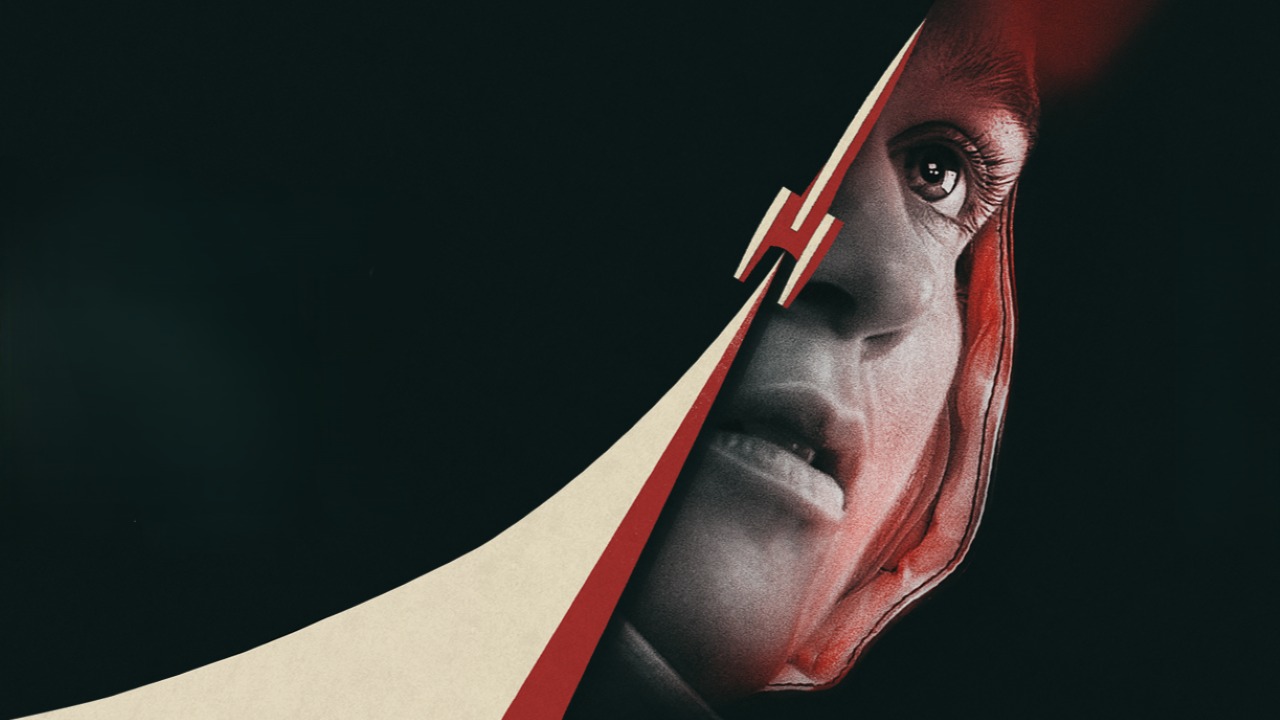
As a longtime For All Mankind fan, I went into Star City with equal parts excitement and caution. Spin-offs are dangerous territory, especially when they branch off from something that already works so well. Sometimes they deepen a universe. Sometimes they feel like expensive leftovers stitched together because streaming platforms fear silence. Thankfully, Star City is much closer to the first category. Not perfect. Not revolutionary television. But smart, tense, visually excellent, and different enough from For All Mankind that it earns its existence rather than simply borrowing goodwill from the parent series.
What impressed me most immediately is that Star City understands it cannot emotionally function like For All Mankind. The original series, even at its darkest, is still built around ambition, optimism, and the idea that humanity might become better through exploration. Star City takes place in that same alternate-history universe, but emotionally it feels completely different. This is not a story about inspirational progress. It’s a story about progress achieved through surveillance, fear, political pressure, and institutional paranoia. And honestly, that tonal shift works extremely well.
Created by Ronald D. Moore, Matt Wolpert, and Ben Nedivi, the series explores life inside the Soviet space program after the USSR’s lunar victory, focusing less on spectacle and more on the emotional machinery required to maintain national dominance behind the Iron Curtain. The result feels less like a traditional space drama and more like a political thriller where rockets happen to be involved. At the center of the series is the Chief Designer, played brilliantly by Rhys Ifans. The character is heavily implied to be Sergei Korolev, the legendary Soviet rocket engineer who, in real history, died before seeing the Moon landing become reality. Here, he survives long enough to help shape the Soviet future—and suffer under the weight of it.
Rhys Ifans is phenomenal throughout the first five episodes. He plays the Chief Designer not as a triumphant genius, but as a man constantly balancing scientific ambition against political terror. Every achievement feels temporary because failure in this world carries consequences far beyond embarrassment. Ifans gives the character exhaustion, ego, intelligence, and fear all at once, often within the same scene. There’s one early sequence where Soviet officials congratulate him after a major milestone, and somehow the scene feels more threatening than celebratory. That emotional tension becomes the entire identity of the series.
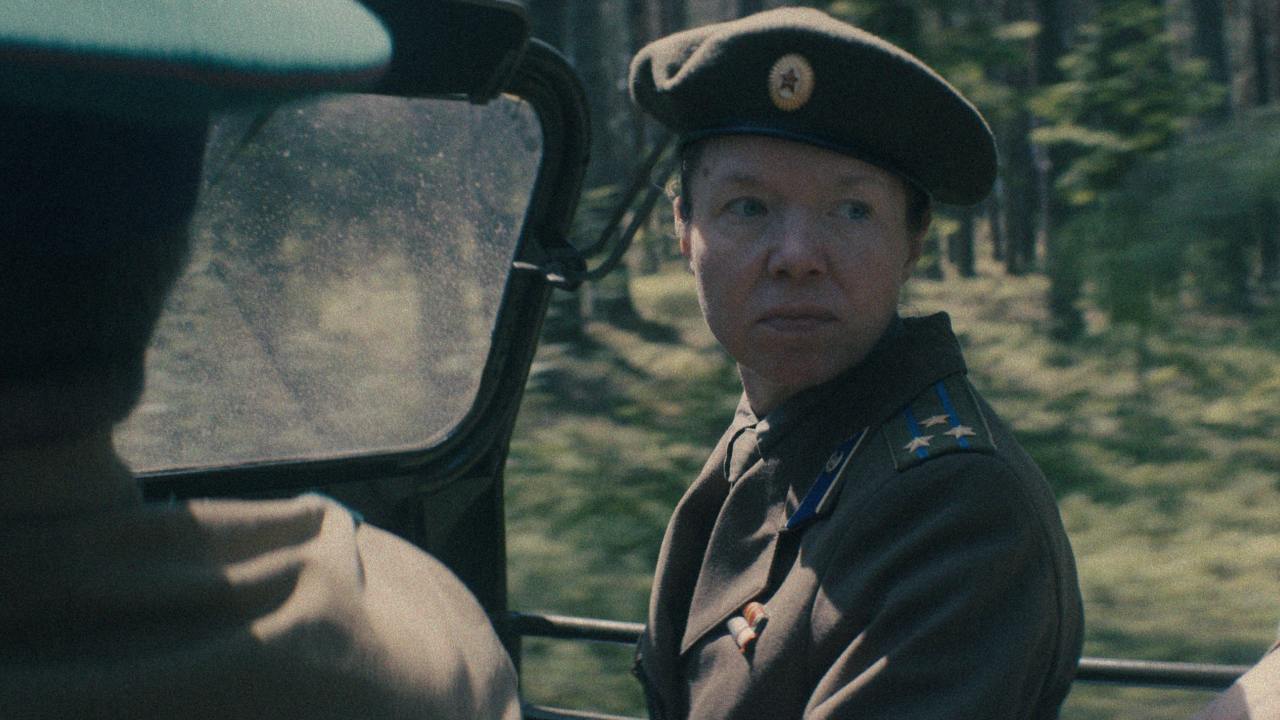
The real breakout performance for me, though, was Anna Maxwell Martin as Lyudmilla Raskova, the head of KGB surveillance inside Star City. She is terrifying in the quietest possible way. Lyudmilla doesn’t need dramatic speeches or overt cruelty to control a room. She simply understands the system better than everyone else. Anna Maxwell Martin plays her with such calm precision that every conversation feels like a hidden interrogation. What makes the character so compelling is that the show never reduces her to a simplistic villain. She genuinely believes surveillance, secrecy, and ideological discipline are necessary for survival. In her mind, paranoia is not dysfunction. It’s patriotism. That complexity gives the show much of its psychological depth.
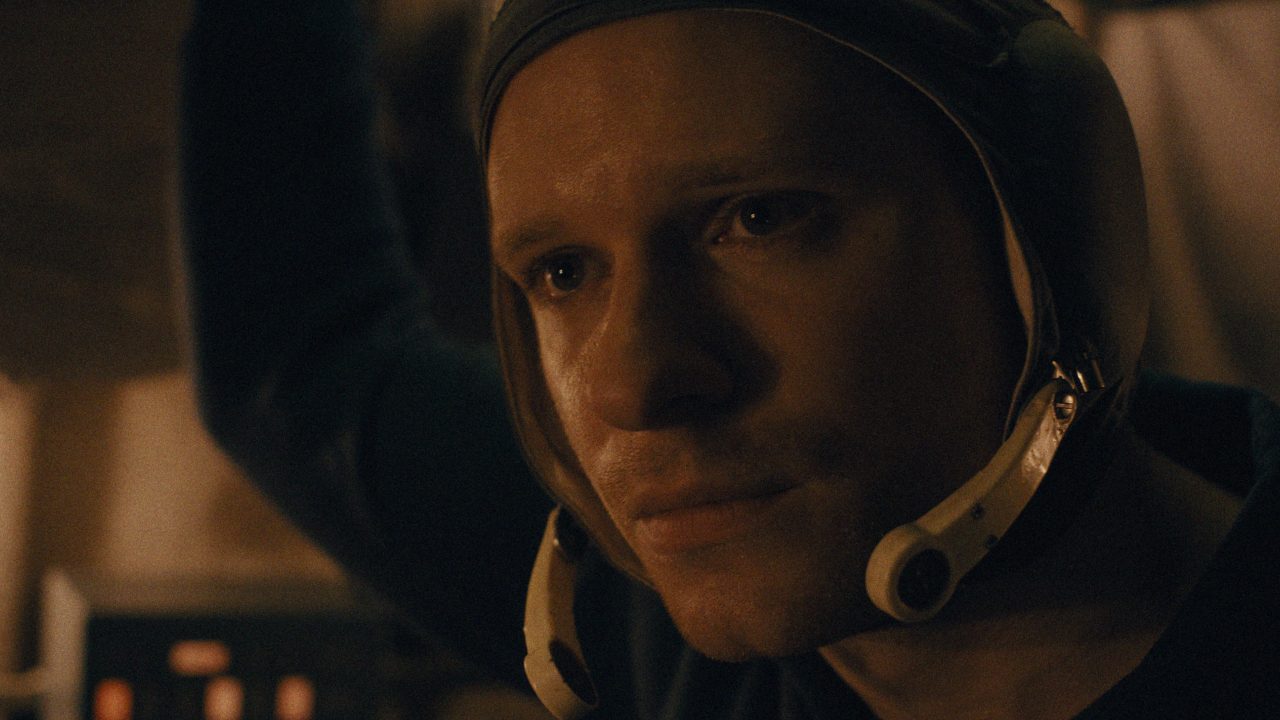
The younger ensemble is also excellent. Agnes O'Casey brings real emotional intelligence to Irina Morozova, a younger surveillance officer slowly realizing how deeply compromised the system around her really is. Alice Englert is terrific as Anastasia Belikova, an ambitious but inexperienced female cosmonaut trying to survive inside a program where achievement and political usefulness are inseparable. Meanwhile, Adam Nagaitis gives Valya Markelova a constant sense of emotional instability that works perfectly for the tone of the series. Valya feels like a man permanently caught between pride and collapse. Solly McLeod also brings strong energy as Sasha Polivanov, a reckless cosmonaut whose confidence often feels one terrible decision away from disaster.
What I appreciated most about the ensemble is that nobody here feels emotionally safe. In For All Mankind, astronauts often feel mythic even when flawed. In Star City, everybody feels monitored, vulnerable, and deeply aware that failure could destroy not only careers but entire lives. Visually, the show is fantastic. And more importantly, it looks genuinely different from For All Mankind. NASA in the parent series often feels expansive and aspirational. Soviet Star City feels enclosed, cold, bureaucratic, and emotionally claustrophobic. The apartments are cramped. The hallways are dim. The offices feel oppressive. Even moments of success feel weighed down by tension.
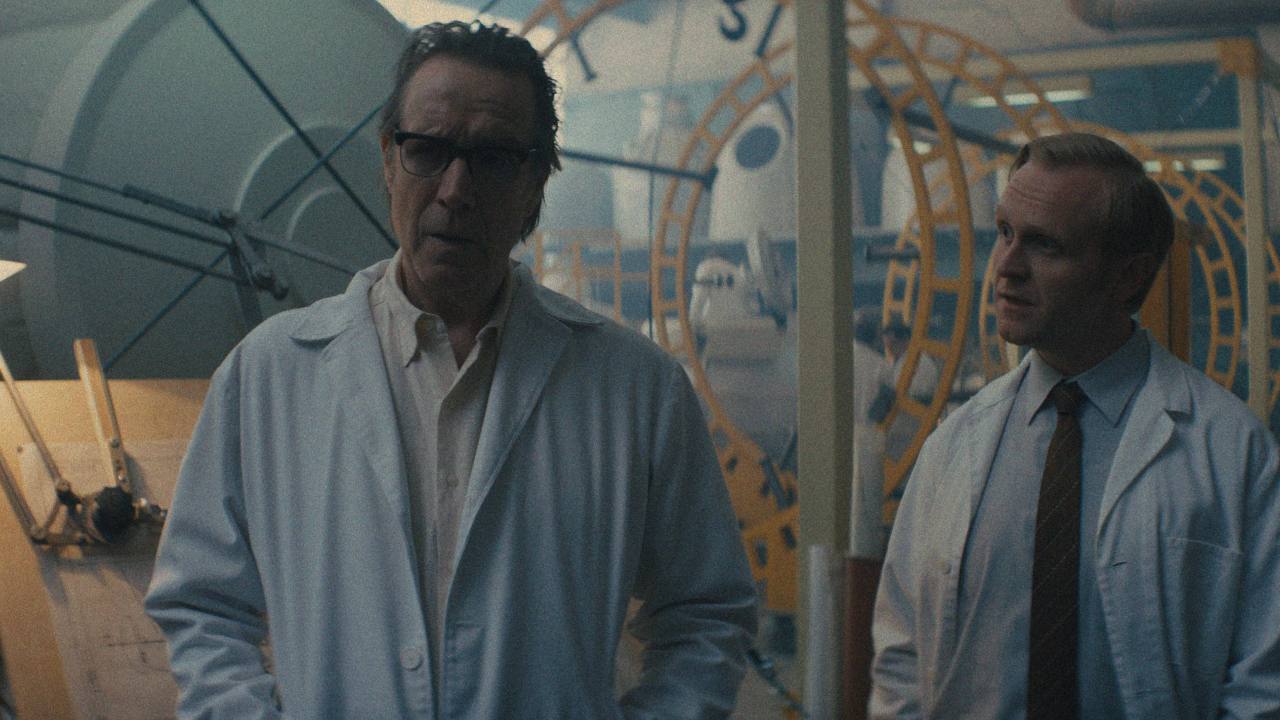
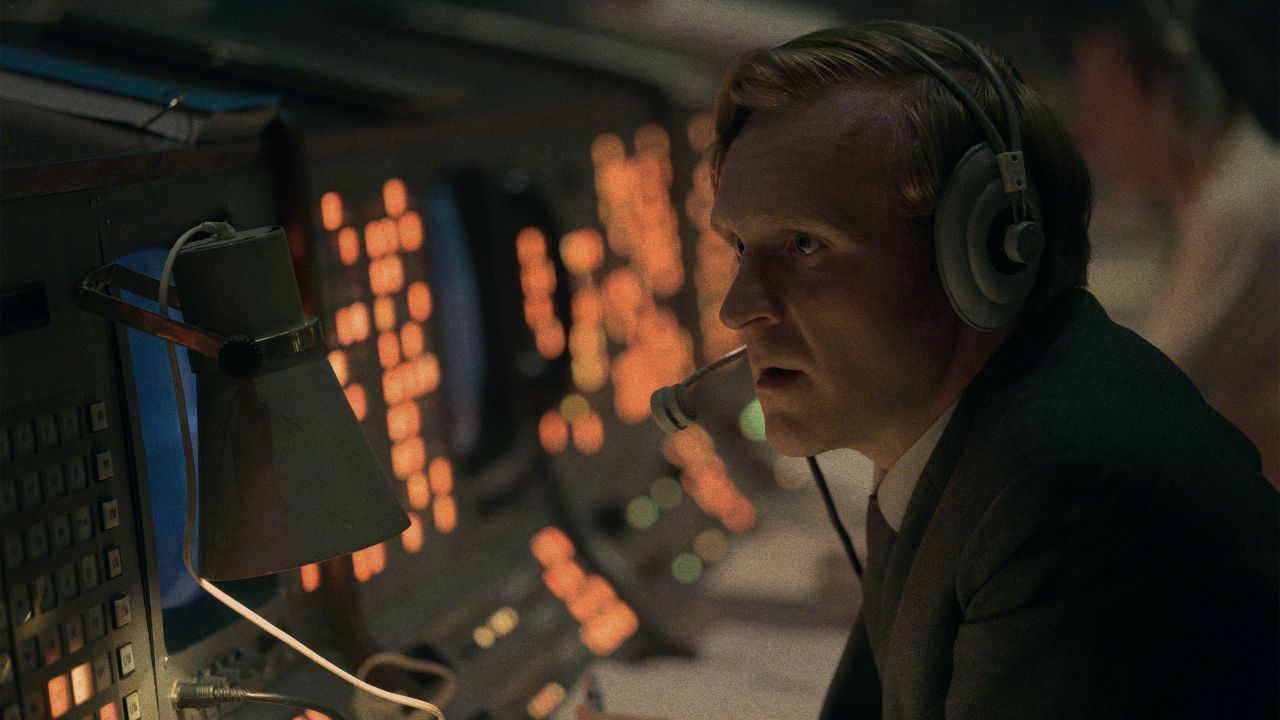
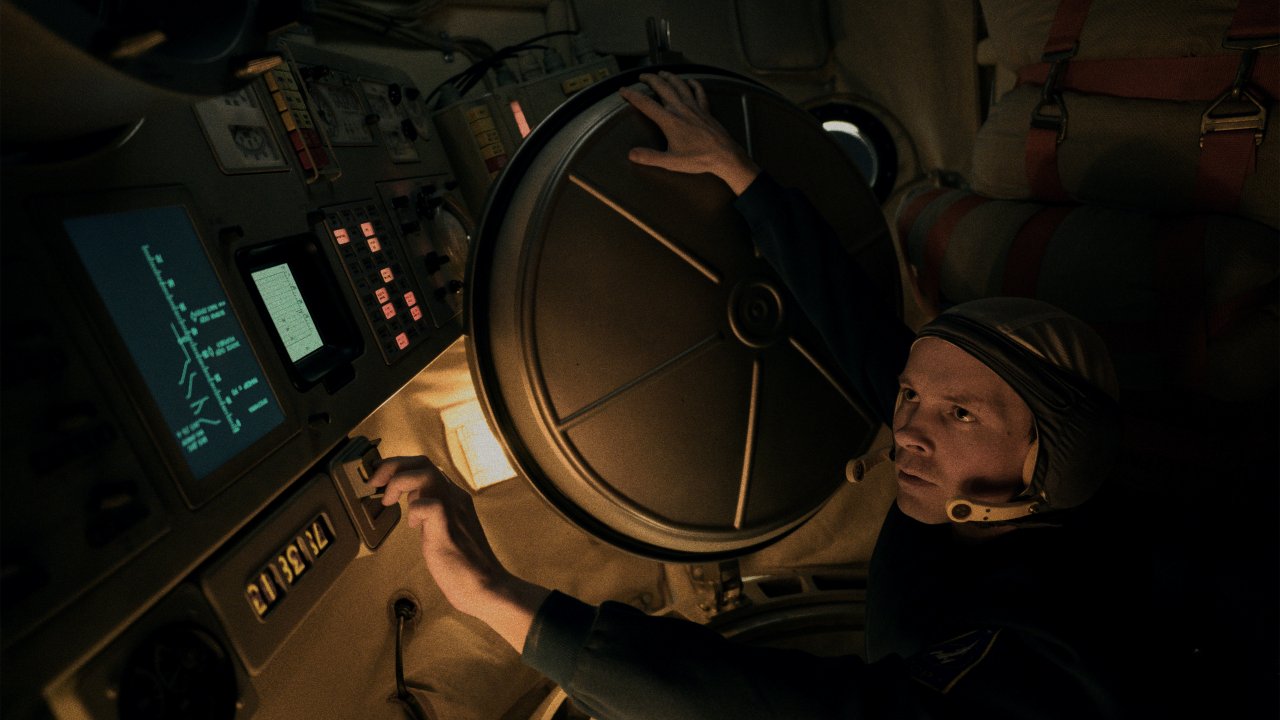
The production design deserves enormous praise. The Soviet technology, mission control rooms, uniforms, engineering spaces, housing blocks, and political offices all feel grounded and tactile rather than overly stylized. Nothing looks glamorous. Everything looks functional, stressed, and slightly worn down by pressure. That realism gives the series credibility.
The writing is strongest when it explores the relationship between science and political control. One of the show’s best ideas is that technological progress here never feels liberating. Every breakthrough immediately becomes ideological property. Every discovery creates new forms of pressure. Nobody celebrates freely because everyone understands success only increases expectations. That atmosphere creates excellent tension throughout the season.
Characters rarely speak directly because direct speech feels dangerous in this environment. Conversations are full of implication, coded phrasing, strategic silence, and emotional restraint. People constantly seem aware they may be overheard, reported, or misunderstood. That paranoia becomes exhausting in the best possible way. There’s a dinner-party sequence where nobody raises their voice, yet the tension is so intense it feels like violence might erupt over dessert. Every compliment sounds political. Every joke feels tested for ideological safety.
At the same time, this is where Star City occasionally becomes difficult to fully love rather than simply admire. Because for all its intelligence and atmosphere, the series can sometimes become too emotionally cold for its own good. The relentless surveillance, institutional fear, political caution, and emotional repression are dramatically effective, but after several episodes, the tone starts feeling slightly one-note. Nearly everybody is tense all the time. Nearly every conversation feels dangerous. Nearly every emotional beat ends in restraint rather than release. That consistency creates realism. It also occasionally creates fatigue.
The pacing suffers slightly because of it, especially in the middle episodes, where the series becomes heavily invested in atmosphere and procedural tension at the expense of narrative momentum. I appreciated the slow-burn approach, but there were stretches where the show felt so committed to paranoia that it stopped moving forward dramatically for long periods. There’s also a secondary espionage thread that never becomes quite as compelling as the engineering and cosmonaut material. It fits the themes of the series, and the performances remain strong, but every time the story drifted too far into spy-thriller territory, I found myself wanting to return to the central Star City dynamics instead.
Still, when the series works, it works exceptionally well. What Star City understands better than most science-fiction dramas is that space exploration is never emotionally neutral. National greatness, technological ambition, and ideological competition all carry human costs. The show constantly asks what happens when scientific progress is pursued inside systems built entirely around fear and control. That’s fascinating territory for television. And Star City explores it with far more confidence than I expected.
Star City is colder, more paranoid, and more psychologically restrained than For All Mankind, but that contrast ultimately becomes its greatest strength. The performances from Rhys Ifans and Anna Maxwell Martin are outstanding, the Soviet setting feels authentic and oppressive, and the series builds tension through atmosphere and character rather than spectacle. It occasionally slows itself too much in pursuit of mood, and some secondary espionage material lacks the emotional power of the core storyline, but overall this is an intelligent, ambitious, and genuinely worthwhile expansion of one of television’s best science-fiction universes.
Final Score- [8/10]
Reviewed by - Anjali Sharma
Follow @AnjaliS54769166 on Twitter
Publisher at Midgard Times
Premiere Date: May 29, 2026, on Apple TV+, with the first two episodes followed by a new episode every Friday.
Hi Everyone, after a due consideration, we have decided that we will be open for donations to help us in managing our website. We will be greatful for any kind of amount we receive. Thanks!
— Midgard Times 🎬 (@Moviesr_net) January 4, 2026
PayPal- [email protected] pic.twitter.com/DlNNz5Npm5
Get all latest content delivered to your email a few times a month.
Bringing Pop Culture News from Every Realm, Get All the Latest Movie, TV News, Reviews & Trailers
Got Any questions? Drop an email to [email protected]



 © Copyrights MOVIESR.NET All rights reserved