



I went into 'This is I' expecting a fairly traditional biographical drama, and in many ways that expectation was met. What I didn’t anticipate was how often the film would oscillate between quiet, intimate storytelling and moments that feel almost determined to underline their own importance. The result is a movie that is emotionally sincere, often compelling, sometimes frustrating, and ultimately worthwhile, even when it doesn’t fully trust its audience.
The story traces the journey of Kenji, a young person who feels deeply out of place in their body, their social environment, and the rigid expectations placed on them. From school corridors filled with casual cruelty to family spaces heavy with silence and confusion, the early part of the film is grounded in discomfort. These scenes work well because they resist melodrama. The bullying is not stylized or exaggerated; it is mundane, repetitive, and exhausting in the way real cruelty often is. I appreciated how the film allows these experiences to accumulate slowly instead of rushing toward a dramatic breaking point.
The lead performance is one of the film’s strongest assets. The actor playing Kenji, and later Ai, carries the role with restraint and emotional intelligence. Rather than leaning into constant anguish or theatrical defiance, the performance is marked by hesitation, guarded hope, and a growing sense of confidence that feels earned. Small gestures, like the way the character holds their shoulders differently over time or makes eye contact more freely, communicate change more effectively than dialogue ever could. It’s a performance that understands identity as something lived daily, not declared in a single moment.
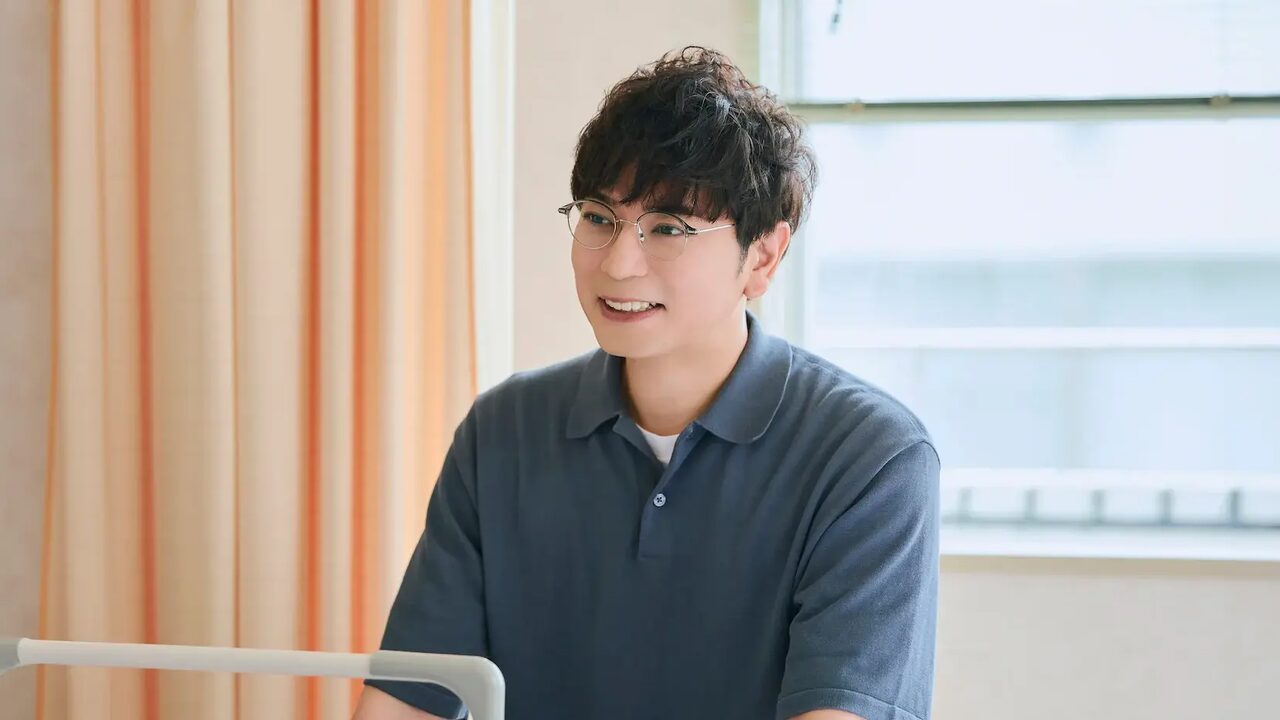
Equally important is the character of Dr. Wada, whose relationship with Kenji forms the emotional backbone of the film. He is not portrayed as a flawless savior or a distant professional, but as someone shaped by his own doubts, limitations, and ethical conflicts. Their conversations, especially early on, are carefully written to reflect uncertainty on both sides. These scenes feel grounded and human, and they avoid turning medical support into either a miracle cure or a cold institutional process. The film is at its best when it lingers here, letting trust develop slowly and imperfectly.
Where This is I starts to falter is in its insistence on making sure the viewer understands the importance of what they are watching. At several points, the script shifts from showing lived experience to explaining it. Key emotional beats are sometimes accompanied by dialogue that spells out the message rather than allowing the situation to speak for itself. I never doubted the sincerity behind these choices, but I did find them slightly undermining. The film already does enough to establish empathy; it doesn’t always need to insist on it so explicitly.
The pacing is mostly steady, but not always confident. The first half unfolds patiently, giving space to Kenji’s internal struggle and social environment. Once the story moves into the world of cabaret performance, the energy shifts noticeably. These sequences are vibrant and engaging, full of color, movement, and a sense of release. They also introduce a welcome sense of joy that contrasts sharply with earlier scenes. However, the transition between these two emotional modes can feel abrupt. At times, it seems like the film is unsure whether it wants to be a subdued character study or a celebratory performance-driven narrative, and that hesitation shows.
Visually, the film is competent and occasionally striking, though rarely bold. The cinematography favors clean, unobtrusive framing, which suits the grounded tone but can also feel a bit safe. Some of the most effective shots are the simplest ones: Kenji alone in public spaces, framed slightly off-center, or Ai preparing backstage, caught between anticipation and fear. Performance scenes, by contrast, are more stylized and energetic, using light and music to convey belonging and affirmation. I did find that the editing sometimes undercuts these moments by cutting too quickly or leaning heavily on music cues instead of letting silence do the work.
The supporting cast adds texture to the story, particularly the family members and fellow performers. None of them feels like placeholders, even when their screen time is limited. The mother’s confusion and concern are portrayed without turning her into a villain or a saint, which I appreciated. Friends within the cabaret world are shown as supportive but not unrealistically enlightened, each carrying their own insecurities. These details help ground the story in social reality rather than turning it into a simplified morality tale.
That said, some narrative threads feel slightly underdeveloped. Certain conflicts, especially those involving institutional resistance and public scrutiny, are introduced and resolved a bit too neatly. Given how carefully the film handles personal struggle, these quicker resolutions feel inconsistent. I wanted more messiness, more ambiguity, and more acknowledgment that acceptance is often partial and uneven rather than complete.
By the time the film reached its conclusion, I felt emotionally invested but also aware of its limitations. This is I is clearly made with care, respect, and a genuine desire to tell an important story. Its strengths lie in its performances, its quieter scenes, and its refusal to sensationalize transition or identity. Its weaknesses come from moments where it overexplains itself or smooths out complexities that deserve more space.
In the end, this is a film I’m glad I watched, even if it didn’t fully live up to its potential. It offers a compassionate, accessible entry point into conversations about identity and self-expression, and it does so with more nuance than many similar films. While it sometimes leans too hard on its message and occasionally struggles with tonal balance, the human core of the story remains strong. This is I may not be flawless, but it is thoughtful, earnest, and emotionally present, and that counts for a great deal.
Final Score- [6.5/10]
Reviewed by - Anjali Sharma
Follow @AnjaliS54769166 on Twitter
Publisher at Midgard Times




Hi Everyone, after a due consideration, we have decided that we will be open for donations to help us in managing our website. We will be greatful for any kind of amount we receive. Thanks!
— Midgard Times 🎬 (@Moviesr_net) January 4, 2026
PayPal- [email protected] pic.twitter.com/DlNNz5Npm5
Get all latest content delivered to your email a few times a month.
Bringing Pop Culture News from Every Realm, Get All the Latest Movie, TV News, Reviews & Trailers
Got Any questions? Drop an email to [email protected]


 © Copyrights MOVIESR.NET All rights reserved