


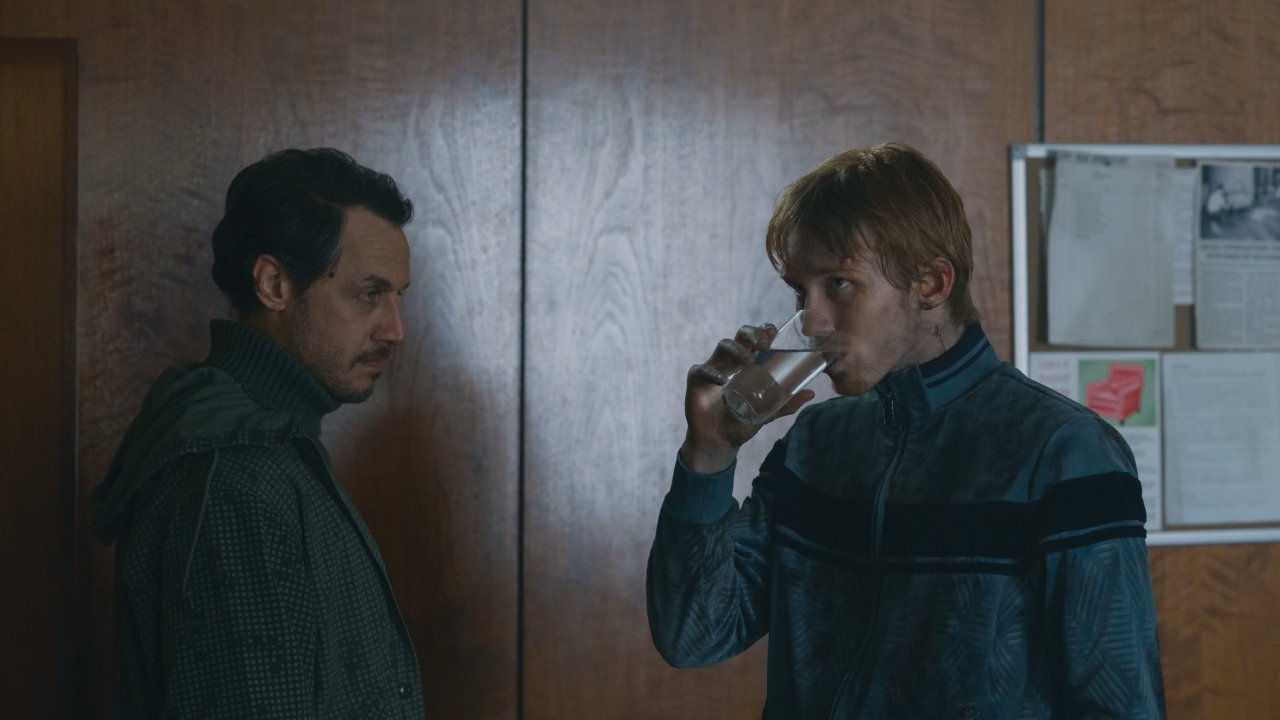
By episode six, Criminal Record has fully stopped pretending this investigation can end cleanly. That’s what makes “When the Music Stops” such a strong episode. Not because it’s packed with huge twists or flashy action sequences. In fact, one of the smartest things about the episode is how restrained it often feels. The danger here comes less from spectacle and more from institutional panic. Everybody looks exhausted. Everybody sounds defensive. And nearly every conversation feels like it’s happening five minutes before someone’s career explodes. The result is one of the most tense episodes of the season so far. What continues separating Criminal Record from most crime thrillers is how uninterested it is in heroic fantasy. Nobody here feels invincible. Nobody walks into rooms delivering genius monologues while orchestral music plays behind them. These characters are tired professionals trying to contain situations that have already become morally and politically radioactive. And “When the Music Stops” leans heavily into that atmosphere.
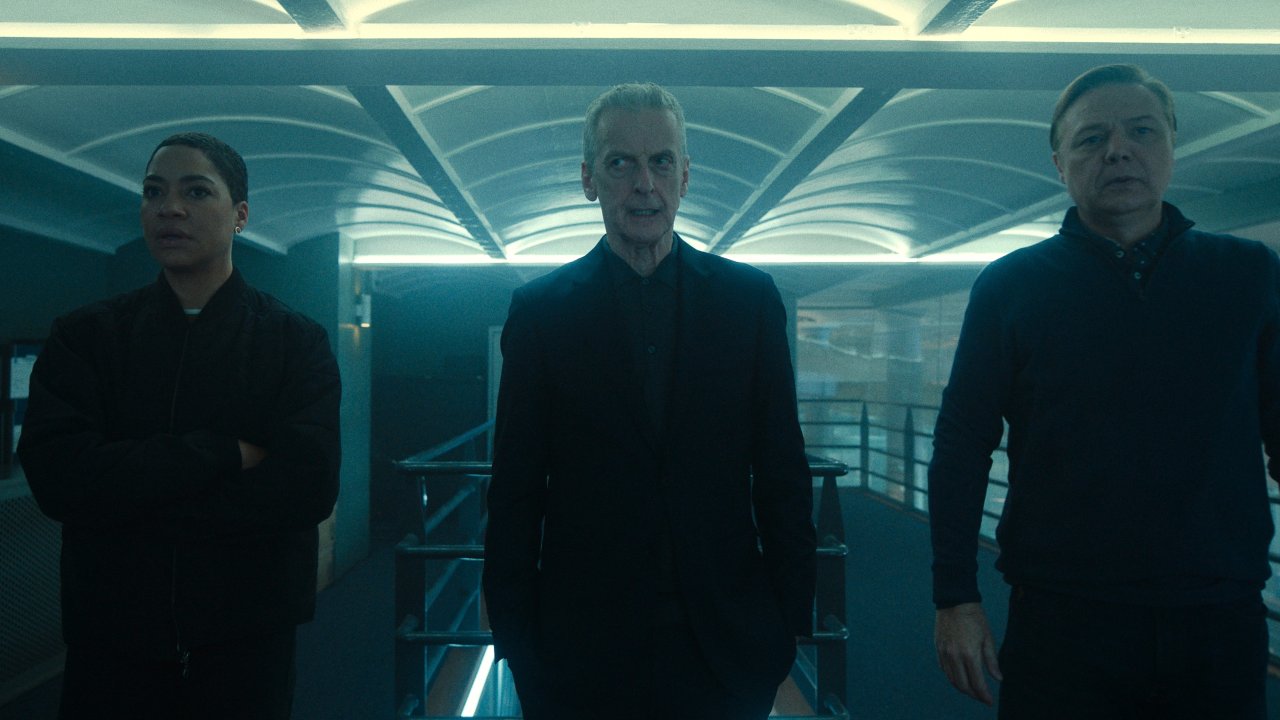
Cush Jumbo continues carrying the emotional core of the series beautifully as DS June Lenker. June has always been the conscience of the show, but what makes her compelling is that she’s never written as naïve. She understands compromise. She understands institutional pressure. She understands how policing systems protect themselves. What’s slowly destroying her this season is the realization that knowing all of that still doesn’t prepare you for how ugly things become once public safety, political pressure, and operational survival start colliding at the same time.
Jumbo is excellent throughout the episode because she never overplays June’s emotional exhaustion. The performance stays controlled, even when the character is clearly reaching the breaking point internally. There’s a briefing-room sequence midway through the episode where June barely says anything, yet the frustration on her face tells you everything. She increasingly looks like someone trapped inside a system where every “practical solution” creates another moral disaster two scenes later. That emotional weariness gives the episode real weight.
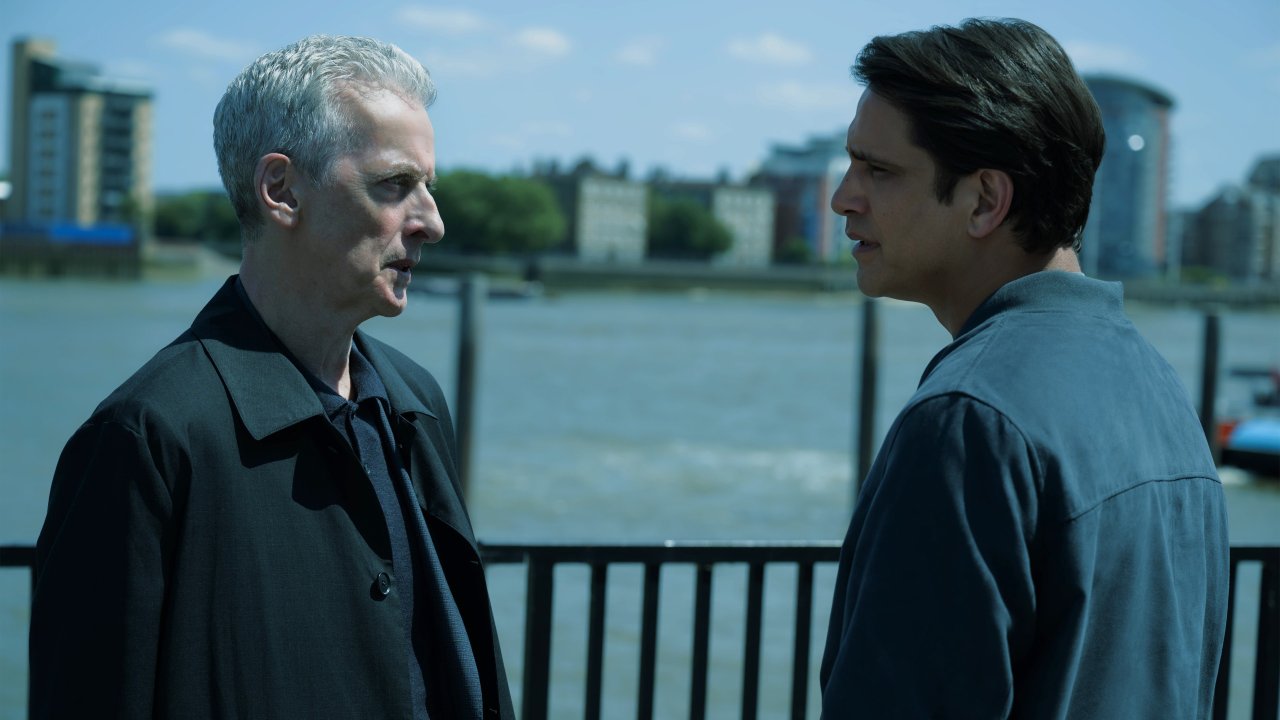
Peter Capaldi is once again phenomenal as DCI Daniel Hegarty. At this point, Hegarty may be one of the most fascinatingly uncomfortable characters currently on television because the show refuses to simplify him into either hero or villain. He’s intelligent, manipulative, politically experienced, emotionally guarded, and increasingly aware that the investigation is slipping beyond anyone’s ability to contain it cleanly. Capaldi plays him with incredible restraint. Hegarty rarely raises his voice because he doesn’t need to. His calmness is often more intimidating than anger would be. There’s a scene involving internal scrutiny and operational accountability where Capaldi manages to communicate frustration, fear, calculation, and exhaustion almost entirely through silence and eye contact.
The dynamic between June and Hegarty remains the strongest aspect of the season. What makes their relationship so compelling is that neither fully trusts the other, yet both increasingly understand that they may be the only people in the investigation willing to confront uncomfortable truths directly. Their scenes together feel less like traditional detective partnerships and more like two intelligent people trapped inside different moral interpretations of institutional survival. The supporting cast also gets stronger material here. Luther Ford continues doing excellent work as Billy, whose instability now feels less like a subplot and more like a ticking structural weakness inside the entire operation. The show has done a great job demonstrating how dangerous it becomes when vulnerable people are treated primarily as operational tools rather than human beings. That theme runs through the entire episode. Luke Pasqualino’s JP Brownlee also continues to become more interesting as the season progresses. Earlier episodes positioned him mostly as someone navigating institutional pressure from the middle ranks, but “When the Music Stops” gives him several moments where the emotional consequences of the investigation start visibly affecting him. Pasqualino plays that internal conflict well without making the character overly sentimental.
Visually, the episode continues the series’ understated but effective style. Criminal Record understands that procedural tension often works better when everything feels grounded and claustrophobic rather than cinematic in a flashy way. Offices feel cramped. Corridors feel suffocating. Briefing rooms feel emotionally hostile. Even ordinary conversations carry a constant sense of institutional pressure. The direction is especially strong during scenes involving operational confusion and public fallout. The show never turns chaos into spectacle. Instead, it focuses on how panic spreads quietly through systems—through hurried conversations, incomplete information, defensive bureaucracy, and exhausted people trying to maintain professionalism while situations deteriorate around them. That realism makes the tension much more effective.
The writing remains one of the show’s strongest qualities. Dialogue feels sharp, natural, and heavily layered with subtext. Characters constantly avoid saying exactly what they mean because everybody understands that language itself becomes political in investigations like this. Terms like “containment,” “risk management,” and “public confidence” start sounding increasingly sinister the longer the episode goes on. What impressed me most about “When the Music Stops” is how clearly it understands institutional fear. This is not simply a story about solving crimes anymore. It’s about organizations trying to survive consequences. The episode constantly asks who gets protected when systems start failing publicly, and the answers become uglier as the hour progresses. That thematic depth elevates the material significantly.
As strong as the tension is, the pacing occasionally becomes a little too committed to procedural realism. There are stretches in the middle where operational meetings, tactical discussions, and bureaucratic conversations slightly slow the momentum. I appreciated the realism, and most of the dialogue is strong enough to sustain interest, but the episode occasionally risks becoming emotionally repetitive in its constant atmosphere of exhaustion and institutional dread. There’s also a secondary thread involving departmental politics that still feels less compelling than the core June-Hegarty dynamic. The material is thematically important, but every time the episode drifted away from the main investigation, I found myself wanting to return to the stronger emotional conflicts at the center of the story. And while the show’s realism is generally a major strength, one late development arrives with timing that feels a little too narratively convenient. Emotionally, the moment lands well, but structurally, it slightly resembles the universe helping the writers tighten the pressure exactly when needed.
By the final stretch, nearly everybody looks emotionally cornered. The investigation no longer feels like something that can be “solved” traditionally. Instead, it feels like damage spreading through an institution already struggling to maintain control of itself. That atmosphere gives the episode enormous dramatic force. What Criminal Record continues doing better than most crime dramas is understanding that institutions rarely collapse dramatically. Usually, they erode slowly through compromise, fear, exhaustion, and intelligent people convincing themselves they’re still managing situations that have already spiraled beyond control. “When the Music Stops” captures that feeling extremely well.
The episode is tense, emotionally heavy, sharply written, and powered by outstanding performances from Cush Jumbo and Peter Capaldi. While the pacing occasionally slows under the weight of procedural detail and some secondary political material remains less compelling than the core investigation, the episode succeeds because it never loses sight of the human cost underneath institutional language and operational strategy. By this point in the season, Criminal Record no longer feels like a conventional detective story. It feels like watching professionals try to hold collapsing systems together with paperwork and emotional suppression.
Final Score- [7.5/10]



Hi Everyone, after a due consideration, we have decided that we will be open for donations to help us in managing our website. We will be greatful for any kind of amount we receive. Thanks!
— Midgard Times 🎬 (@Moviesr_net) January 4, 2026
PayPal- [email protected] pic.twitter.com/DlNNz5Npm5
Get all latest content delivered to your email a few times a month.
Bringing Pop Culture News from Every Realm, Get All the Latest Movie, TV News, Reviews & Trailers
Got Any questions? Drop an email to [email protected]



 © Copyrights MOVIESR.NET All rights reserved