


Watch a comedy from 1998 and a drama from last season back to back. The joke has moved. In the older film, a character holding a joint is the entire punchline. In the newer show, the same prop barely registers, because the scene has other business to get through.
That shift did not happen inside a writers' room alone. Product pages changed too. A Canadian delivery service now lists stock plainly, including Buy Live Resin Near Me Now from SameDayCannabis. The service works inside Canada's legal, regulated market and serves Canada only. Readers in the United States and anywhere else outside Canada cannot order from it.
Treat what follows as film and television criticism rather than a shopping guide. Access in Canada is adults only, legality varies by location, and none of this is medical advice.
The genre had a clear shape, and four titles trace it.
1. Up in Smoke, 1978, which set the two-hander template.
2. Dazed and Confused, 1993, where the haze is period texture.
3. Half Baked, 1998, built end to end on the premise.
4. Harold and Kumar Go to White Castle, 2004, the same engine on a road trip.
Each film built its plot on one idea. The characters were high, and the audience was meant to find that funny by itself.
The formula worked because the situation was strange. Getting caught carried real consequences, so the comedy came pre-loaded with risk. A writer could stage a traffic stop as farce and the audience already knew the stakes. Nobody had to explain anything.
Studios also had a certificate to think about. The Motion Picture Association's film ratings system still flags drug content when a rating is assigned. Keeping the joke broad and cartoonish kept the picture sellable.
A punchline needs a shared assumption. For decades that assumption was simple. This is illegal, and the character is doing something transgressive. Take the illegality away and the joke loses its engine.
Public opinion had been moving for years. Gallup's long-running polling on illegal drugs tracks support for legal marijuana rising from a small minority to a clear majority of Americans. Writers read the same country their audience lives in.
By the mid-2010s the transgression had thinned out. A character breaking a law that half the room wanted repealed no longer felt daring. The stoner comedy started to look dated rather than rude.
Cable and streaming drama took a different route. Weeds ran from 2005 and treated a suburban dealer as a study in class and quiet desperation. High Maintenance built small character portraits around a Brooklyn delivery cyclist. Neither show asked the audience to giggle.
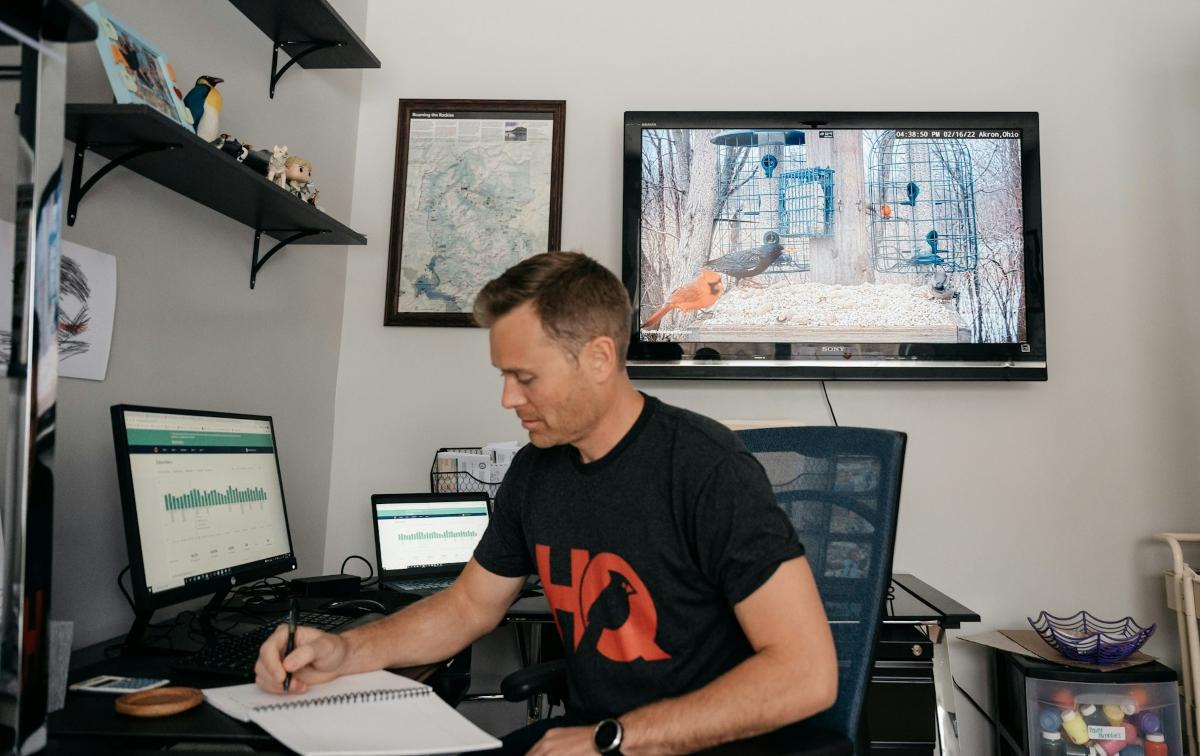
The change was structural. Once cannabis stopped carrying the joke, it became a detail that could tell you something about a person. A character's choice of product, setting, or supplier now works the way a character's drink order works.
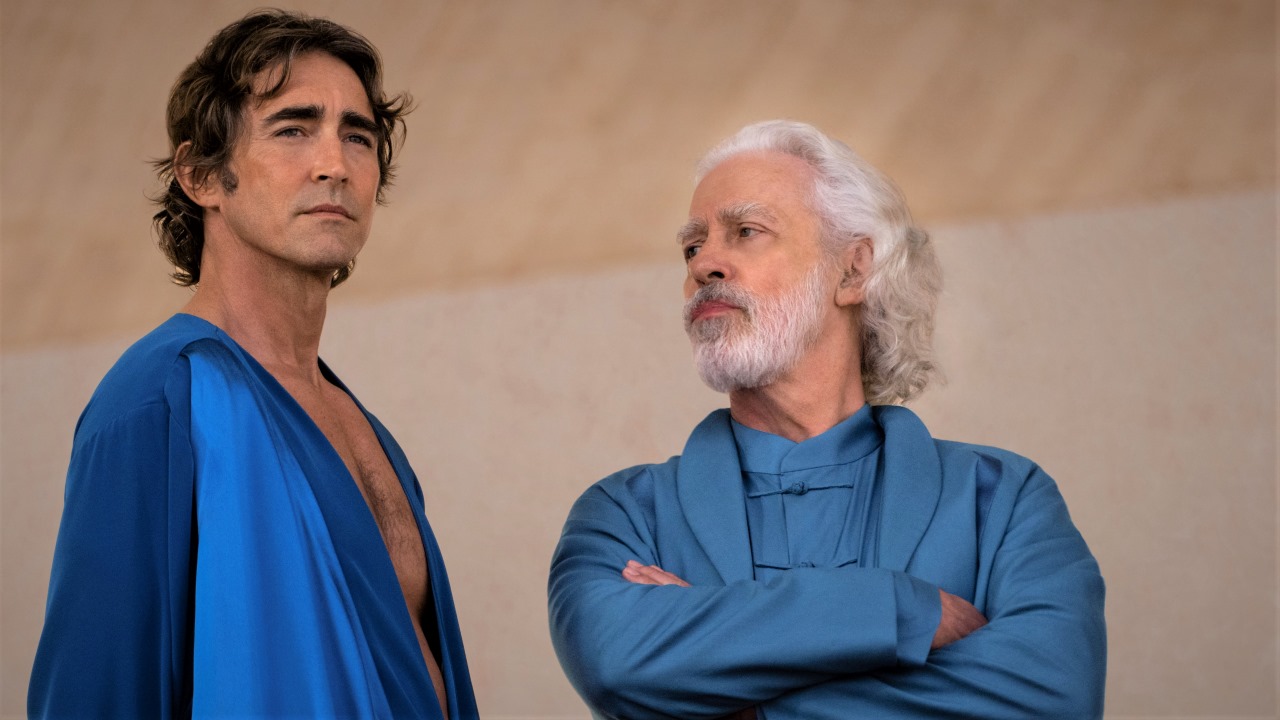
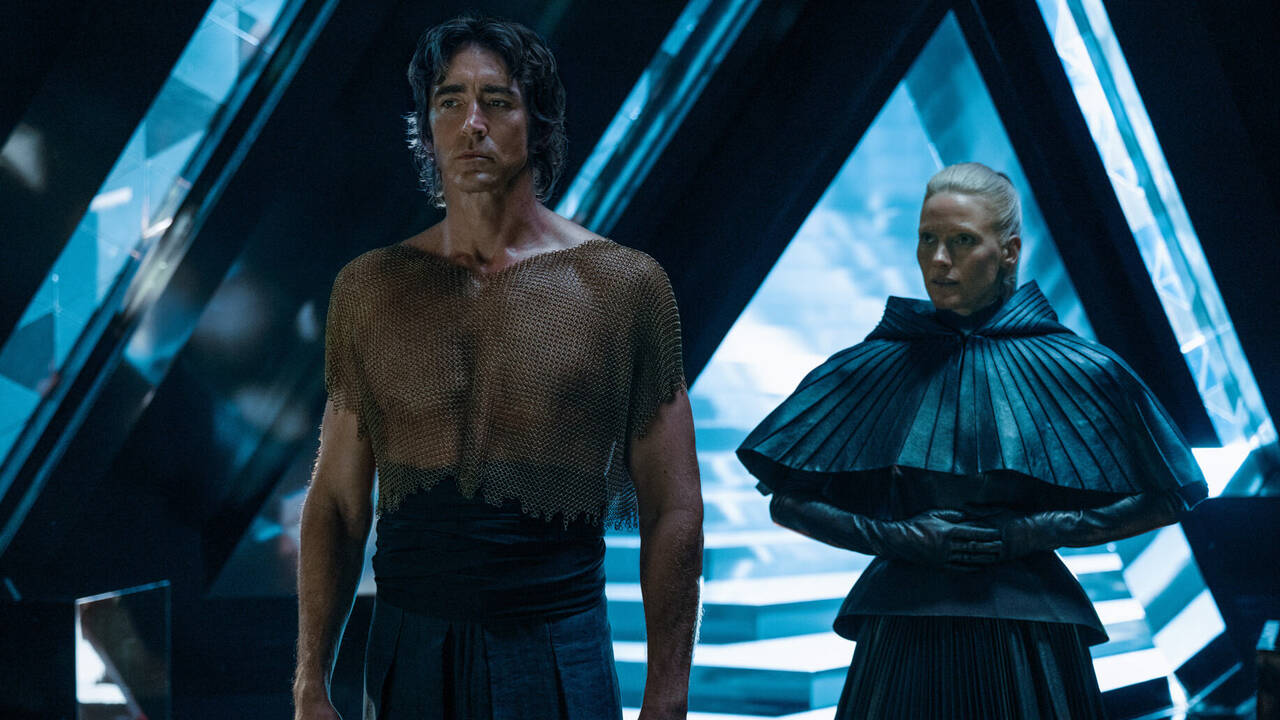
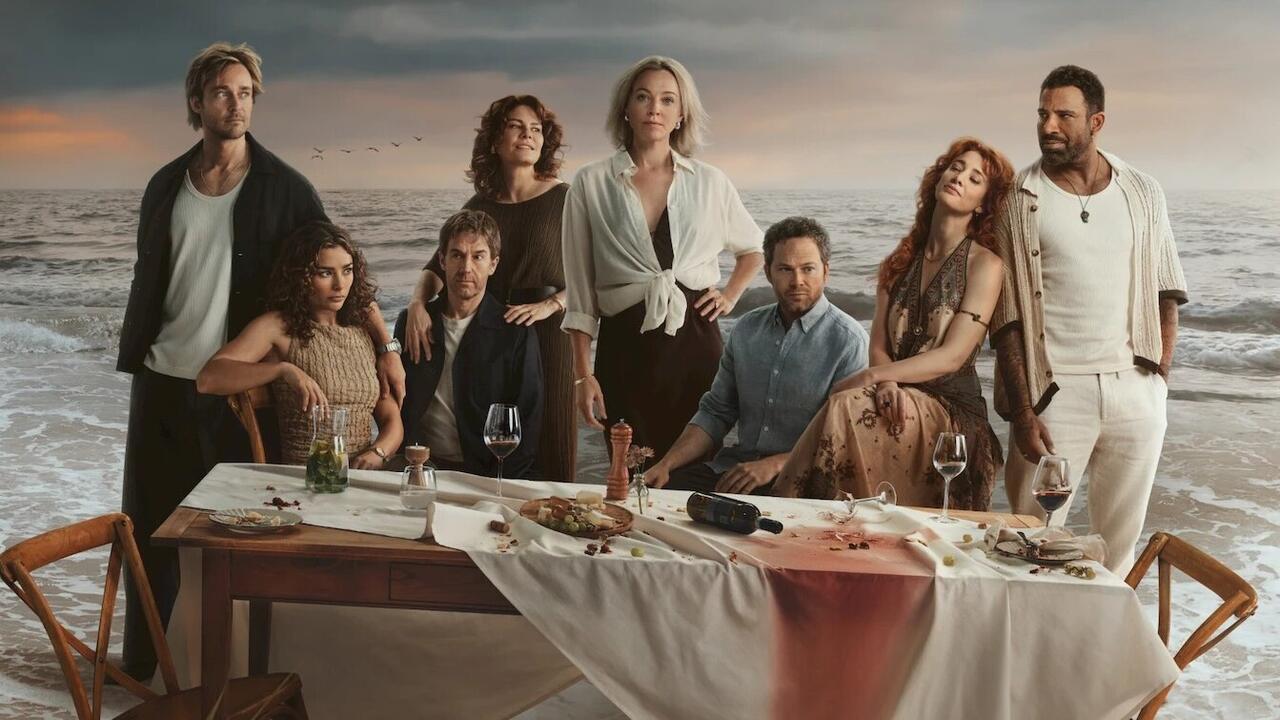
That is a promotion for a prop. It moves from plot device to shading. Reviewers working at episode level, as in this Lanterns episode review, now read small props as characterization rather than as setup.
The Cannabis Act made recreational use legal across Canada in 2018. Inside Canada the minimum age is set by province: 19 in most provinces, 18 in Alberta and 21 in Quebec. The Quebec figure has applied since the start of 2020. Several United States markets moved on their own timelines.
Writers gained a new shared assumption. In a legal setting, a character buying cannabis is running an errand. That reframes every scene built around acquisition, which used to be the reliable source of tension.
It also opened settings that did not exist before. A licensed shop, a delivery driver, a lab test, a labeled package with a batch number on it. None of those made sense as story furniture in 1998.
Look at what a modern production puts in frame.
● A printed batch number on the side of a package.
● A category name such as live resin on a shelf edge.
● A paper bag, a receipt, an age check at the door.
● A character who never remarks on any of it.
That is set dressing doing quiet work.
Genre storytelling absorbs whatever its setting treats as normal. Crime series behave that way in every market, as a look at one returning crime thriller makes clear. Change the law around the story and the same prop reads differently.
Comedy did not vanish, though. It moved to the character rather than the substance. The funny person is funny for other reasons now, and the joint is simply something they happen to be holding.
● The punchline moved from the substance to the character holding it.
● Legal settings removed acquisition as an easy source of plot tension.
● Packaging, labels and product categories now work as set dressing.
● Prestige drama treats cannabis as character shading, not as a premise.
● Canada's regulated market is adults only and does not serve readers abroad.
● This is criticism about screenwriting, not medical or purchasing advice.
The stoner comedy has not disappeared. It was overtaken by a world where its premise stopped being unusual. That is what tends to happen to a joke built on a law.
What replaced it is more interesting for writers. A prop that once did all the work now has to earn its place in the scene. Screen cannabis grew up because the audience did first.
Why Did Stoner Comedies Dominate the 1990s?
Illegality gave writers free tension. A character with a joint was already breaking a rule, so the scene had stakes before anyone spoke. That made the premise cheap to set up and easy to sell.
How Do Modern Shows Handle Cannabis Differently?
They treat it as a detail rather than a plot. Weeds and High Maintenance used it to reveal class, routine and loneliness. The prop tells you about the person holding it.
Did Legalization Change What Writers Could Show?
It changed what writers could assume. Once a legal market exists on screen, buying is an errand rather than a risk. Scenes built purely on acquisition stopped generating tension.
Is Cannabis Still Used for Comedy On Screen?
Yes, but the target moved. The humor now comes from character behavior instead of the substance itself. The old shocked reaction shot no longer lands with an audience that finds the premise ordinary.



Hi Everyone, after a due consideration, we have decided that we will be open for donations to help us in managing our website. We will be greatful for any kind of amount we receive. Thanks!
— Midgard Times 🎬 (@Moviesr_net) January 4, 2026
PayPal- [email protected] pic.twitter.com/DlNNz5Npm5
Get all latest content delivered to your email a few times a month.
Bringing Pop Culture News from Every Realm, Get All the Latest Movie, TV News, Reviews & Trailers
Got Any questions? Drop an email to [email protected]


 © Copyrights MOVIESR.NET All rights reserved